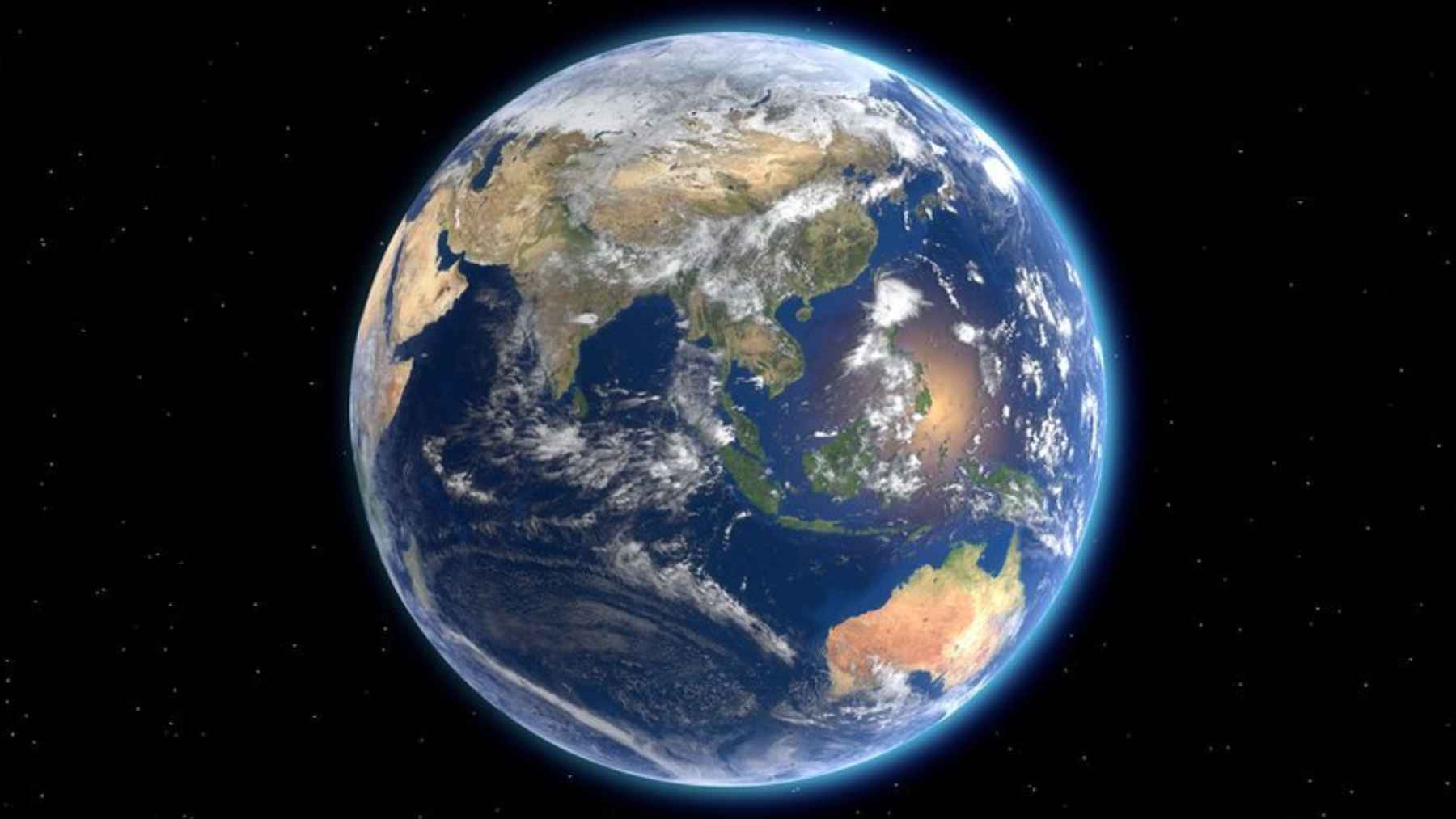
If 2024 felt unbearably hot, brace yourself. 2025 is not giving the planet much of a break. A new climate update from the World Meteorological Organization (WMO) shows that 2025 is on track to end as the second or third warmest year in almost 176 years of records, continuing an unprecedented streak of global heat. From January to August, the average temperature near Earth’s surface was about 1.42 °C above pre‑industrial levels, only slightly below the record set in 2024.
In practical terms, that means the past eleven years, from 2015 to 2025, are all set to rank as the eleven warmest ever measured. The last three years form a tight pack at the top, with 2023, 2024, and 2025 emerging as the three hottest years in the global record.
A shrinking margin for the 1.5 °C goal
The WMO’s Secretary‑General, Celeste Saulo, warns that this run of extreme heat and record greenhouse gas levels makes it “virtually impossible” to avoid a temporary overshoot of the 1.5 °C warming limit in the coming years. At the same time, she stresses that bringing temperatures back down to around 1.5 °C by the end of the century remains both possible and essential.
Why does that extra degree and a half matter so much? Scientists link it to a sharp rise in dangerous impacts, including more intense droughts, faster sea level rise, and the collapse of glaciers that feed rivers and reservoirs. United Nations Secretary‑General António Guterres put it bluntly in his speech in Belém, where COP30 is being hosted, saying that every year above 1.5 °C would hit economies hard, deepen inequality, and cause damage that cannot be reversed.
Countries have already pledged emission cuts in their national climate plans. For example, Brazil’s current commitment includes reducing greenhouse gas emissions by 53% by 2030 and reaching net zero by 2050. Whether these promises translate into action fast enough is the big open question.
Greenhouse gases at record highs
Behind the temperature records sit clear numbers. The concentration of carbon dioxide in the atmosphere climbed to about 423.9 parts per million in 2024. That is a 53% increase compared to 1750, before large‑scale fossil fuel use. The jump of 3.5 parts per million between 2023 and 2024 is the largest yearly increase in the modern observation record. Methane levels are now about 166% higher than pre‑industrial values, and nitrous oxide has risen about 25%.
For non‑specialists, parts per million simply means how many molecules of a gas are found in a million molecules of air. So 423.9 parts per million of carbon dioxide means that out of every million air molecules, almost 424 are carbon dioxide. It does not sound like much, but that thin layer of gas traps a huge amount of heat.
Burning coal, oil, and gas remains the main source of these emissions, especially since the middle of the 20th century.
Oceans, ice, and rising seas
More than 90% of the extra heat trapped by greenhouse gases is absorbed by the oceans. WMO reports that ocean heat content reached record levels in 2024 and continued to rise in 2025, a sign that the Earth system is storing more energy deep below the waves.
That extra heat does several things at once. It supercharges tropical storms, accelerates the loss of sea ice in the Arctic and Antarctic, weakens the ocean’s ability to absorb carbon dioxide, and pushes global sea level rise higher. Satellite data show that the long‑term rate of global sea level rise has nearly doubled, from about 2.1 millimeters per year in the 1990s to about 4.1 millimeters per year between 2016 and 2025.
In March 2025, Arctic sea ice reached its lowest winter maximum ever observed, at about 13.8 million square kilometers. Glaciers worldwide lost around 1.3 meters of ice thickness in the 2023 to 2024 hydrological year, equal to roughly 450 gigatons of ice, the largest loss recorded since 1950. Venezuela has now lost its last glacier, joining Slovenia among the first modern countries with no glaciers left.
Heat, floods, and everyday life
These numbers might sound abstract until they show up at your front door. The WMO update links 2025’s background warming to a long list of extreme events. Deadly floods in Texas killed 135 people. A brutal heatwave around the Mediterranean pushed temperatures in Turkey to 50.5 °C and helped ignite fires across 400,000 hectares of land, hurting farming and tourism. In Africa, cyclones and floods pounded Mozambique, the Democratic Republic of the Congo, and South Africa, leaving many families without homes. In Asia, severe floods displaced more than one and a half million people in Pakistan and India.
At the same time, a renewed drought hit the Amazon and central and southern Brazil, stressing rivers, hydropower reservoirs, and forests. On the other side of the world, China, Japan, and Korea endured their hottest summer on record, with urban temperatures near 45 °C, the kind of sticky heat that makes sleep difficult and pushes air conditioners into overdrive.
The extra demand for cooling is already visible in the energy system. According to WMO, the extreme heat of 2024 increased global energy demand by about 4% compared with the 1991 to 2020 average. In parts of central and southern Africa, demand ran almost 30% higher than usual. That shows up in grid stress and in the electric bill at home.
Early warnings are improving, but gaps remain
There is some good news. The number of countries with multi‑hazard early-warning systems has more than doubled in a decade, from 56 in 2015 to 119 in 2024. These systems can detect storms, floods, droughts, and heatwaves and give people time to move to safer ground or adjust farming and energy operations. Yet around 40% of the world still lacks adequate early warning coverage.
More than record keeping
Since WMO released its update for COP30, further analysis has confirmed that 2025 ended as one of the three warmest years ever recorded, with global temperatures about 1.44 °C above the 1850 to 1900 average. Independent data from the Copernicus Climate Change Service point to a similar figure of about 1.47 °C above pre‑industrial levels and confirm that the period from 2023 to 2025 was the first three-year span to exceed the 1.5 °C threshold on average.
At the end of the day, these records are not just a scoreboard for scientists. They are a warning light for food systems, cities, power grids, and the communities that depend on them. Cutting fossil fuel use, protecting forests, and using climate data to design smarter energy, water, and health systems are no longer distant options. They are the basic steps needed to keep future summers, and future electric bills, within something like a livable range.
The climate bulletin was published by the World Meteorological Organization (WMO).