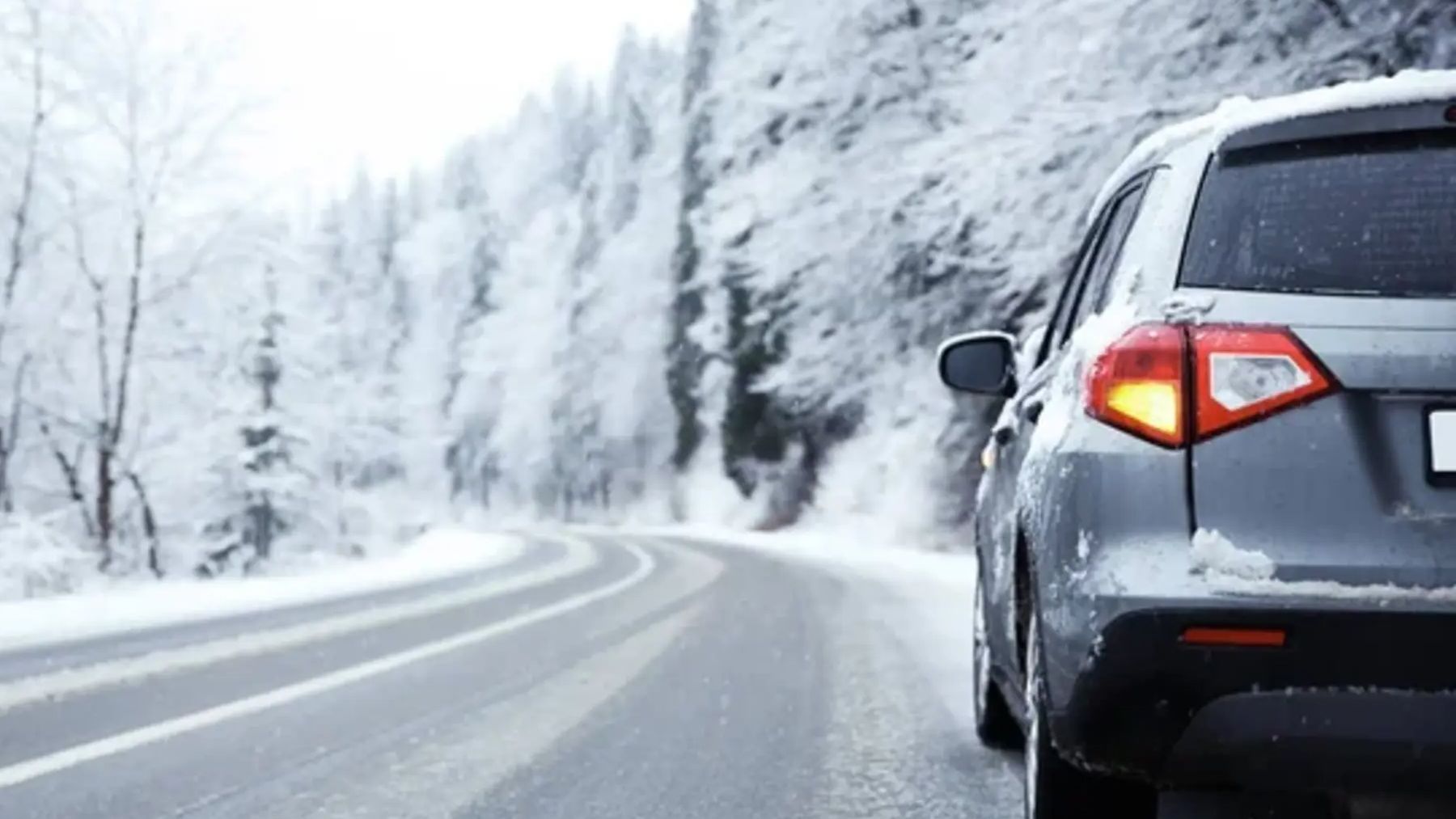
As winter is upon us, many states are bracing for harsh weather conditions that can bring snow, ice, and freezing temperatures. For those living in areas prone to winter storms, having a reliable vehicle becomes essential to ensure safety and mobility during the colder months. A dependable car is not only crucial for navigating challenging road conditions but also for avoiding breakdowns and costly repairs that can arise from extreme weather.
Which vehicles not to buy this winter
According to research by GoBankingRates, these cars should be on your radar to not be purchasing any time soon if you live in a state which experiences harsh winters. While it’s important to focus on what to buy, narrowing down your options by looking at what not to buy can be just as crucial. Certain vehicles may not perform well in winter conditions due to their drivetrain, poor traction, or history of reliability issues.
For example, cars with front-wheel drive may struggle in deep snow, while vehicles with low ground clearance could get stuck more easily. Additionally, some older models might lack the advanced safety features like traction control or all-wheel drive, which are essential for winter driving. By ruling out vehicles that are less suited to winter conditions, you can streamline your search and focus on those that will keep you safe, comfortable, and dependable when the weather takes a turn.
Say no to Chevrolet, Ford, and Nissan this winter
According to GoBankingRates, the Chevrolet Camaro is not your ideal vehicle this January. Being a sports car, it is built to maximize on performance and style, but does not fare well in winter weather. Because it has a rear-wheel driving system, it is more vulnerable to the slippery icy conditions on the road. Rear-wheel driving systems are often preferred for sports cars because the drivetrain allows for more precise control during cornering and enhanced driving dynamics. However, this is not the car you want to be taking out when there is snow on the ground.
Ford’s F-150 rear-wheel drive vehicle also runs into similar problems like that of Chevrolet’s Camaro because of the rear-wheel drive. Rear-wheel drive trucks are also not ideal as the weight distribution of many rear-wheel drive trucks tends to place more weight over the front wheels, which can reduce traction at the rear. This can cause the truck to slip, slide, or fishtail more easily in snow or ice, especially when accelerating, turning, or braking.
Nissan’s electric vehicle the Leaf, while environmentally friendly, also does not fare well in cold weather. While electric vehicles are known to lose range when it is cold outside, the Leaf is known to lose even more than average. In harsh winter weather conditions, it is important to priorities safety and to drive a vehicle which is not going to leave you standard in sub-zero degree temperature.
If you are in the market for a new car, watch out for insurance premiums
Not only should you be thinking about weather conditions this winter if you are buying a new vehicle, but you should also be thinking about your insurance. Different vehicles come with varying insurance rates based on factors like safety features, repair costs, and the likelihood of theft. Luxury cars, sports models, and high-performance vehicles tend to have higher premiums due to their higher repair costs and increased risk of accidents.
Alternatively, vehicles with strong safety ratings and a history of fewer claims may offer more affordable rates. It’s wise to get insurance quotes for different models before purchasing, helping you choose a car that fits both your budget and long-term financial goals. Always factor insurance into your total cost of ownership when evaluating your options.