Efficiency has become something of a rallying cry in the renewable industry. How do we maximise output for minimum input? One German company has devised a solution to the problem of efficiency as it pertains to solar power using a simple, yet incredibly effective strategy. Why limit energy production to one side of the solar panel when you can use both?
Solar panels as we know them have ample room for improvement
Solar power is a crucial source of renewable energy. As the technology becomes more and more accessible, it is being adopted by a growing number of homes globally. Whether this is to reduce dependence on government energy infrastructure or to help the planet, solar power is here to stay.
The everyday solar panel that can be found on the roofs of residential and industrial buildings alike is not the most efficient design of solar panel. These mounted panels can generate the electricity needed to power homes and businesses, but is there room for improvement?
The simple answer is yes. Conventional solar panels can produce energy on a large scale (like this incredibly powerful clump of 10,000 solar modules). But the single-faced, mounted solar panels can be redesigned so that fewer solar panels are required to produce the same amount of energy.
The solar panel with two faces: the next frontier in solar energy
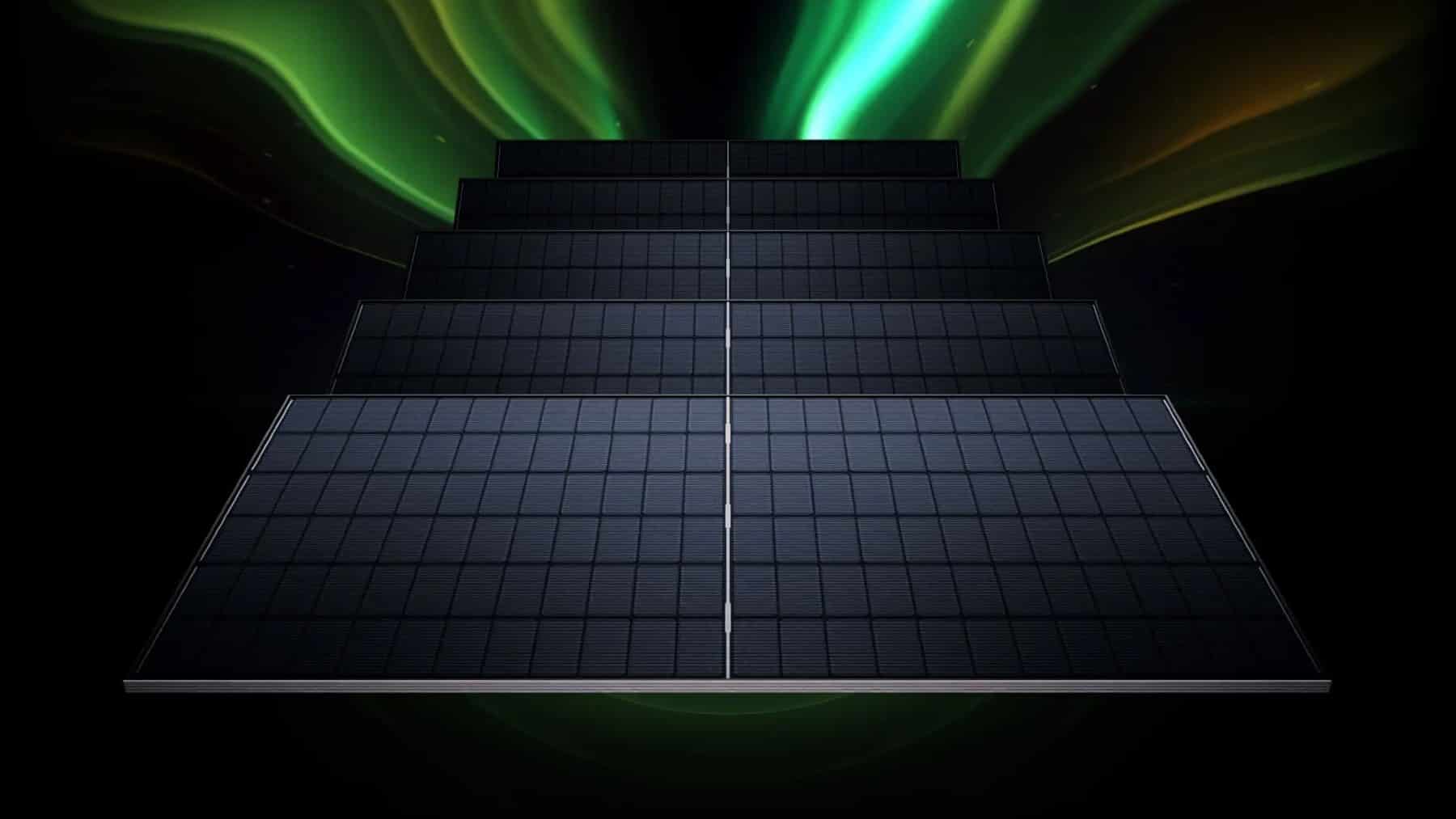
Optimising the efficiency of the solar panel is exactly what the German company, AE Solar, has decided to do. AE Solar has created a solar panel that has photovoltaic cells on both sides, each side capable of harnessing the power of the sun to generate electricity.
The CMD-L144BD bifacial solar module has a solar output of 560 W to 580 W. The panels were designed for agrivoltaic projects which combine agricultural land with land used to generate solar power.
According to AE Solar, the backsides of these panel offer up to 10% more power than would otherwise be produced if the panel had only one side. The bifacial solar panels are installed vertically so that Agri machines can move easily.
The vertical installation allows the bifacial solar panels to increase efficiency in a number of ways. Because the panels are installed upright, less money is spent on mounting systems and less dust is able to collect on the panels, compromising their effectiveness.
What makes these bifacial solar panels so special?
The CMD-L144BD are n-type tunnel oxide passivated contact (TOPCon) panels. Each panel has a module efficiency ranging from 21.62% to 21.36%. One panel has 144 half-cells contained in a 2.0 mm glass cover and a 30 mm anodized aluminium alloy frame.
The panels are 1.19 meters wide, 2.3 meters tall, and 30 millimetres thick. They can operate within a temperature range of -40°C and 85°C and weigh 33kg each. Unlike traditional solar panels, the frames of the panels do not cast shade on the backside of the solar panel, ensuring optimal light absorption.
The junction boxes and cables of the panels have been moved to the edges of the panels. This, coupled with the thin frames, have increased the bifaciality of the panels. These design innovations have upped the energy yield of the panels by 3.3%.
What do the increased power yields of the bifacial solar panel mean for the future of solar power?
This seemingly simple innovation has the potential to increase the value of an individual solar panel. The increased efficiency that these panels provide could lead to fewer panels needing to be produced and less land needing to be taken up to produce solar power on a large scale. Solar power is, and will continue to be a space of innovative ideas (like incredibly thin solar panel used to adorn your walls).