This discovery of solar hydrogen in Antarctica is a new step toward finding a sufficient supply of non-renewable energy sources. It has taken several years of effort in research and development of RL Hyweight and green hydrogen to offer the promise of changing the face of energy production in one of the planet’s harshest landscapes, Africa.
The teamwork that made the green hydrogen in Antarctica possible
The green hydrogen project in Antarctica is led by Fundación Antártica 21 with partners GIZ and the Chilean Antarctic Institute. These organizations have united to protect Antarctica’s environment and follow the Madrid Protocol treaty agreements signed 30 years ago.
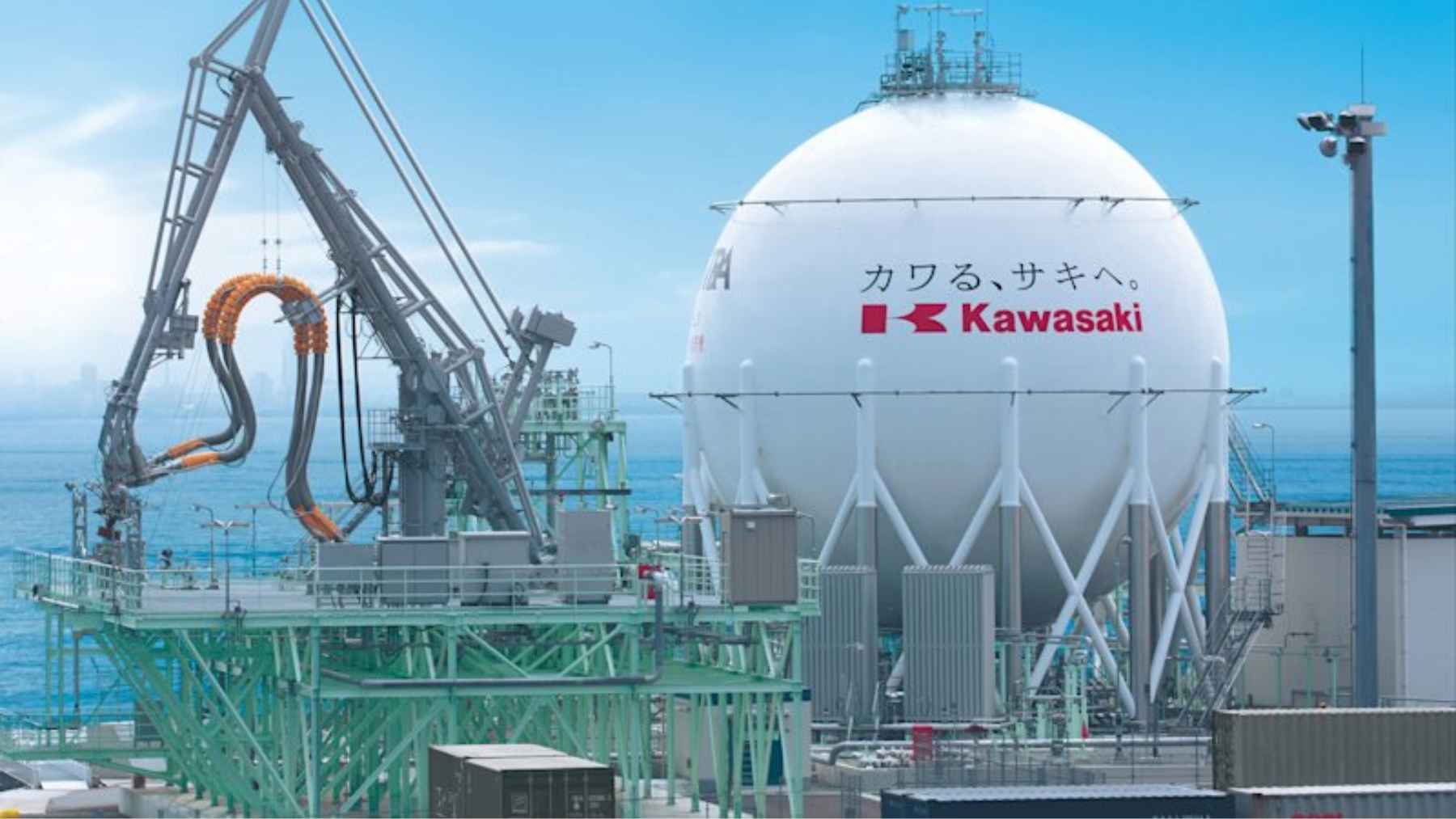
The plan to make the region carbon neutral is to generate hydrogen cleanly on the continent. This undertaking aims to reduce the risks of fuel transportation and, in the process, eliminate the chances of polluting Antarctica’s environment. The GIZ pilot project centers on developing the scales of green hydrogen production in Antarctica. This will eliminate the effects of importing and storing fuels for consumption by minimizing the dangers of transporting such fuel to such areas.
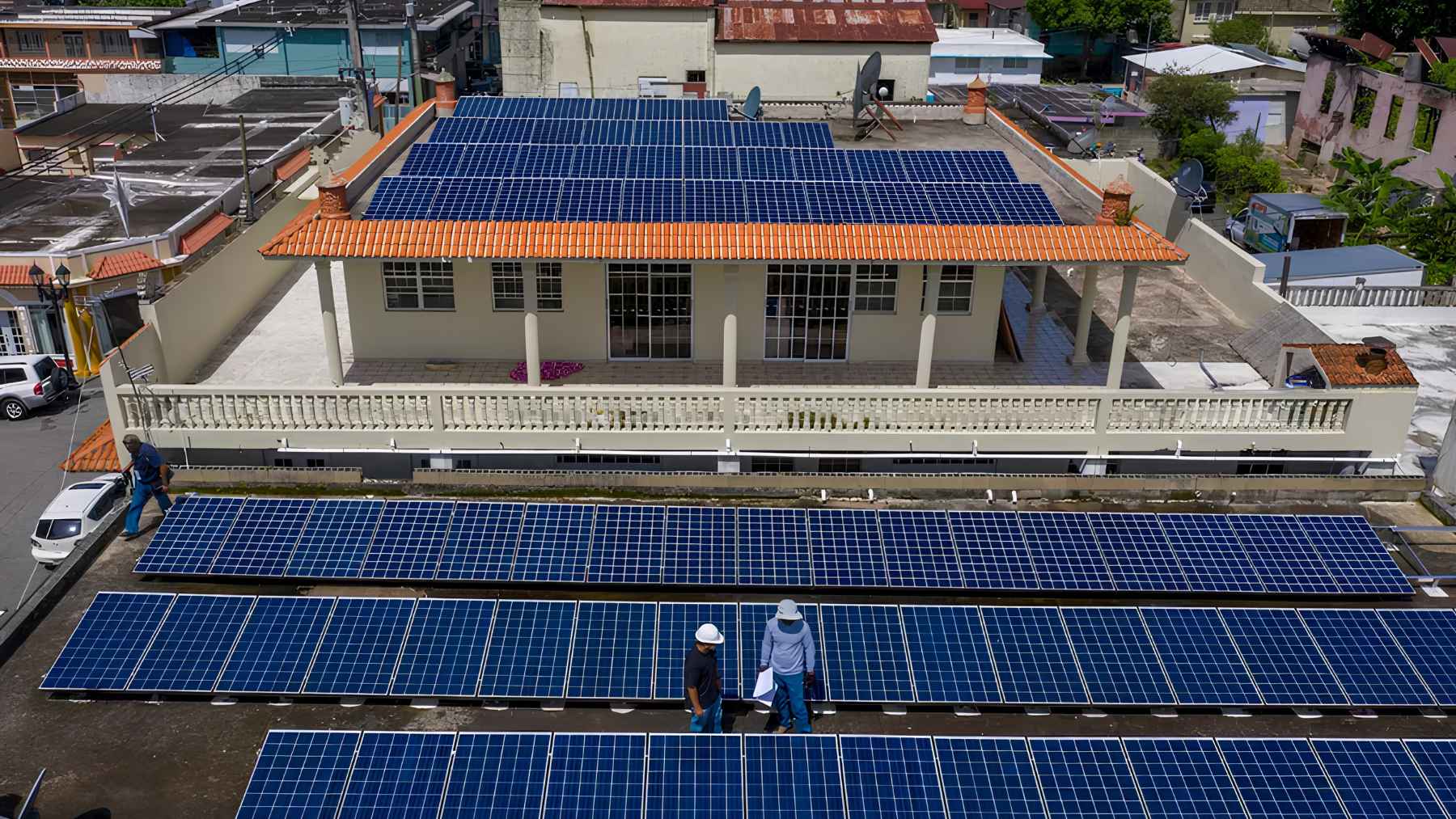
Solar energy is vital in manufacturing green hydrogen in a project in Antarctica. The favorable environmental climate of the region, characterized by extraordinarily many sunny days, particularly during the summer, presents favorable conditions for producing solar energy.
How could green hydrogen preserve and transform the strategic wildlife of Antarctica?
The solar project uses solar energy to produce hydrogen, which is then used to produce renewable energy consumed in the region. This helps ensure a considerable reduction in the use of fossil fuel products, another goal of the initiative. The project is expected to provide power to the new Escudero base in the coming ten years, thereby eradicating the use of diesel and oil. This transition is an essential milestone in terms of Antarctica’s environmental potential.
The Green Hydrogen Project is evidence of World institutions’ readiness to conserve Antarctica’s ecosystems. By fighting pollution and introducing renewable energy, this endeavor helps protect one of the most valuable environments globally. Hence, it strives to achieve UN goals of combating climate change and protecting climatically vulnerable regions.
However, scientific work is actively used here, researching and applying innovations to provide sustainable conditions in extreme circumstances for people. Germany has adopted a sufficient strategy for fostering green hydrogen production, especially in the Antarctic. The success of such experiments can serve as an example for other countries. The lessons learned from this effort could be helpful in the global shift from hydrocarbons and support the energy transition.
The prospect for the world that comes with scaling green hydrogen in Antarctica
Expansion of production capacity remains a challenging task given the conditions, logistical factors, environmental conditions, and cost, which makes it very hard to meet the energy needs of Antarctica. However, the potential benefits of attaining a carbon-free zone in Antarctica make it possible to fund them. If successful, the project could act as a case study for green hydrogen production in extreme environments worldwide. If implemented, it can potentially change the face of energy in the future and reduce the inclination to burn fossil fuels.
What this gigantic mission could have produced would potentially enlighten future missions and produce new ideas, whereby humanity always strives towards functional renewable energy. Identifying solar hydrogen in Antarctica is a revolutionary landmark in the shift toward renewable energy. A joint project by Fundación Antártica 21, GIZ and the Chilean Institute of Antarctic works to make the region a carbon free area.
Solar power generation of green hydrogen for use instead of fossil fuels to eliminate pollution and protect Antarctica’s environment. It is expected to generate electricity for the Escudero base in the next 10 years. This scheme aligns with achieving climate change targets and enhances renewable energy studies. Despite the various limitations in scaling up production, the project provides ideas and models to similar projects worldwide, creating a benchmark for energy solutions for the extreme environment.