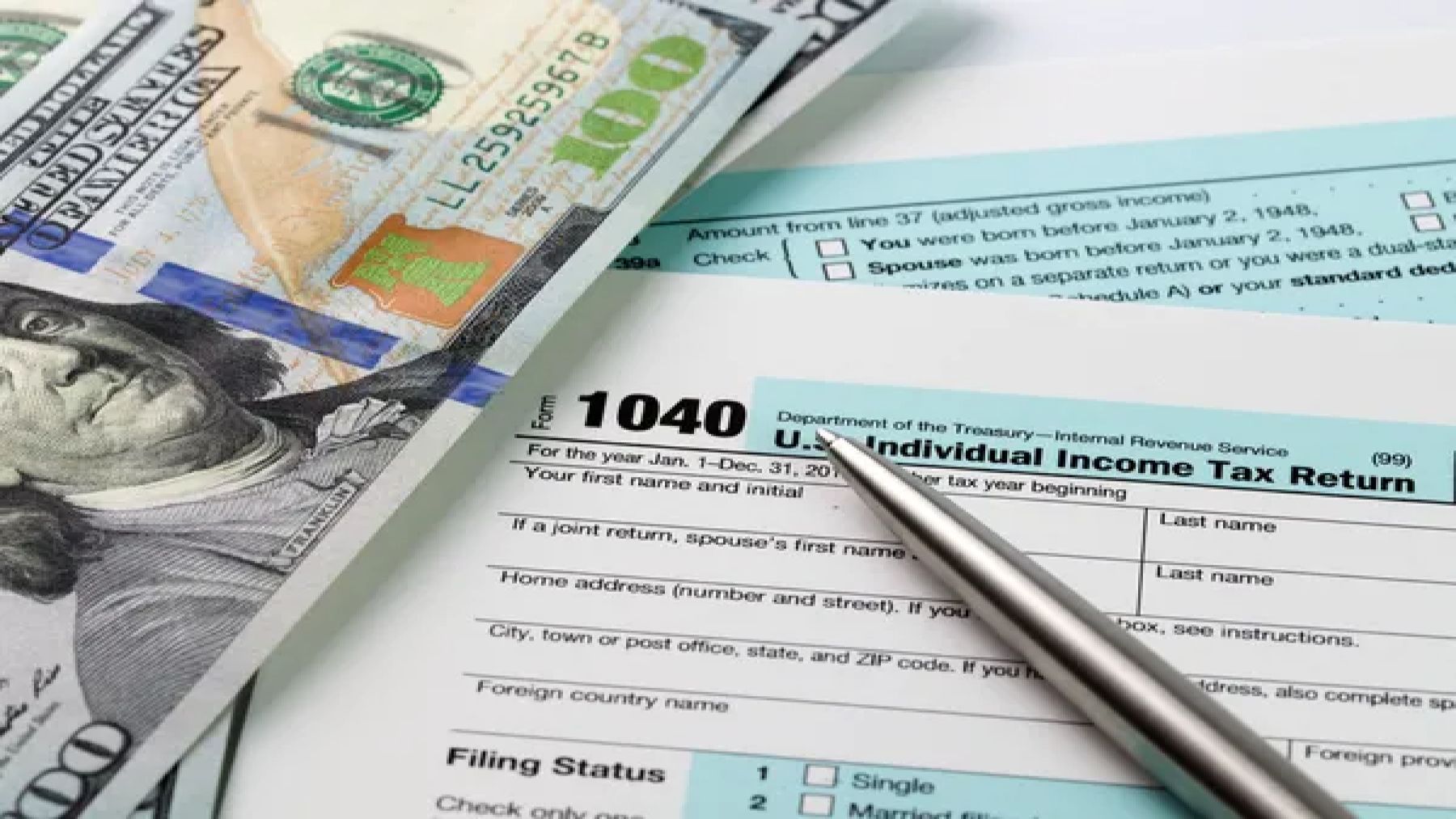
As tax season rolls around, many taxpayers are looking to get a head start on filing their returns. The IRS has officially announced the start of the 2025 tax filing season, offering taxpayers an opportunity to file their taxes early. Along with this announcement, the agency is introducing several technological upgrades designed to simplify the filing process and improve taxpayer support. With the tax season officially opening on January 27, here’s what you need to know about how early you can start preparing and filing, and what resources are available to help.
The official start date and filing timeline
If this is your first time filing your taxes, here’s what you need to know about the timeline. The official start date for the 2025 tax season was Monday, January 27, 2025. That’s when the IRS begins processing tax returns. Taxpayers can file their returns any time between January 27 and the traditional April 15 deadline. If April 15 falls on a weekend, the IRS typically extends the deadline to the following business day.
This three-month period, known as tax season, is when people prepare their tax documents and report their income from the previous year. It’s also when taxpayers either settle their bill if they owe taxes or receive a refund if they’ve overpaid. For those who miss the April deadline, filing a late return could result in penalties and interest. However, taxpayers who need more time can file for an extension and have until October to submit their return, though the tax bill is still due in April.
How early can you start?
The IRS doesn’t begin processing returns before the 27th, but taxpayers may still have begun gathering their necessary documents and complete their returns in advance. However, it’s crucial to wait until all relevant forms have been received before filing.
Employers have until January 31 to issue W-2 forms, which are vital for most workers. Additionally, other documents like 1099 forms might not arrive until later in January. Without these documents, filing a complete and accurate return can be difficult.
Many tax software providers and professionals will allow taxpayers to complete their returns and hold them until the IRS begins processing. “Last year, the average refund was more than $3,100 for many households [and] that refund will be their biggest check of the year,” IRS Commissioner Danny Werfelshared during a press conference. “Our employees know that, and they realize how important it is to deliver for the nation, and I’m proud that they come through time and again for taxpayers and the tax system.”
Technology upgrades to ease the filing process
The 2025 tax season brings with it a host of technological upgrades to streamline the filing process and improve taxpayer experience. One of the most notable improvements is the expansion of online tools, such as the Direct File system, which aims to make tax filing more seamless. The IRS is modernizing its digital resources to reduce confusion, enhance security, and offer more streamlined filing options for users.
A new feature within the IRS Online Account will warn taxpayers about potential scams targeting their personal information. These warnings will link directly to detailed pages outlining how to recognize legitimate IRS communications and avoid fraudulent schemes. “These chat bots use either guided help through choice buttons or an open text box for customized questions,” an IRS representative explained. “The use of natural language processing and understanding to help interpret the input from our taxpayers will help provide the appropriate responses.”
Taxpayers can now complete and save drafts of 67 forms on mobile devices, making it easier for individuals to work on their returns at their convenience. The improvements in the IRS’s automated systems, including voice bots in both English and Spanish, will provide round-the-clock assistance to answer questions about filing status or refund tracking, further simplifying the process.