Psychology highlights the three colors used by people with low self-esteem

Image Autor
Published On: March 4, 2026 at 10:15 AM
Follow Us
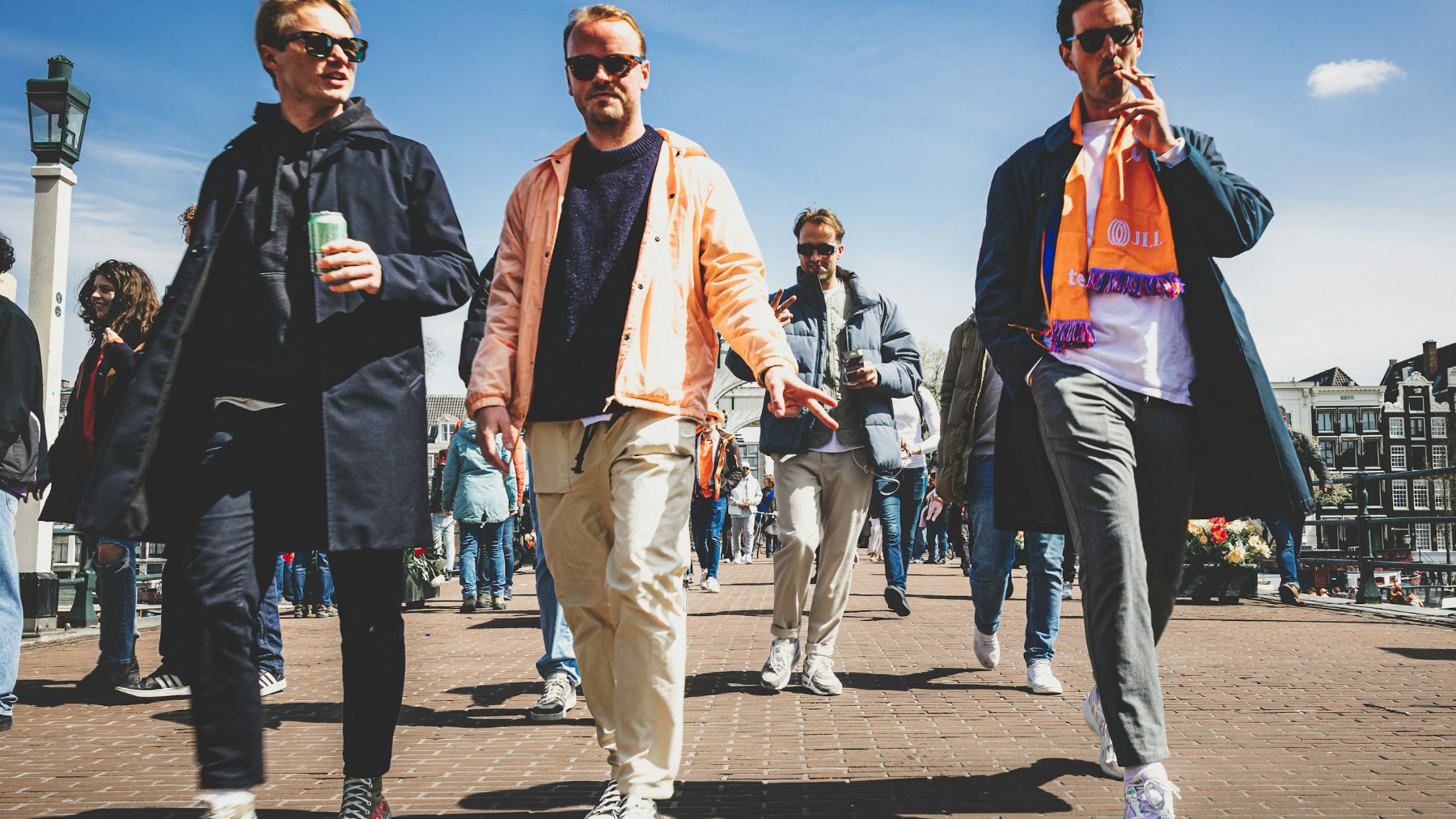
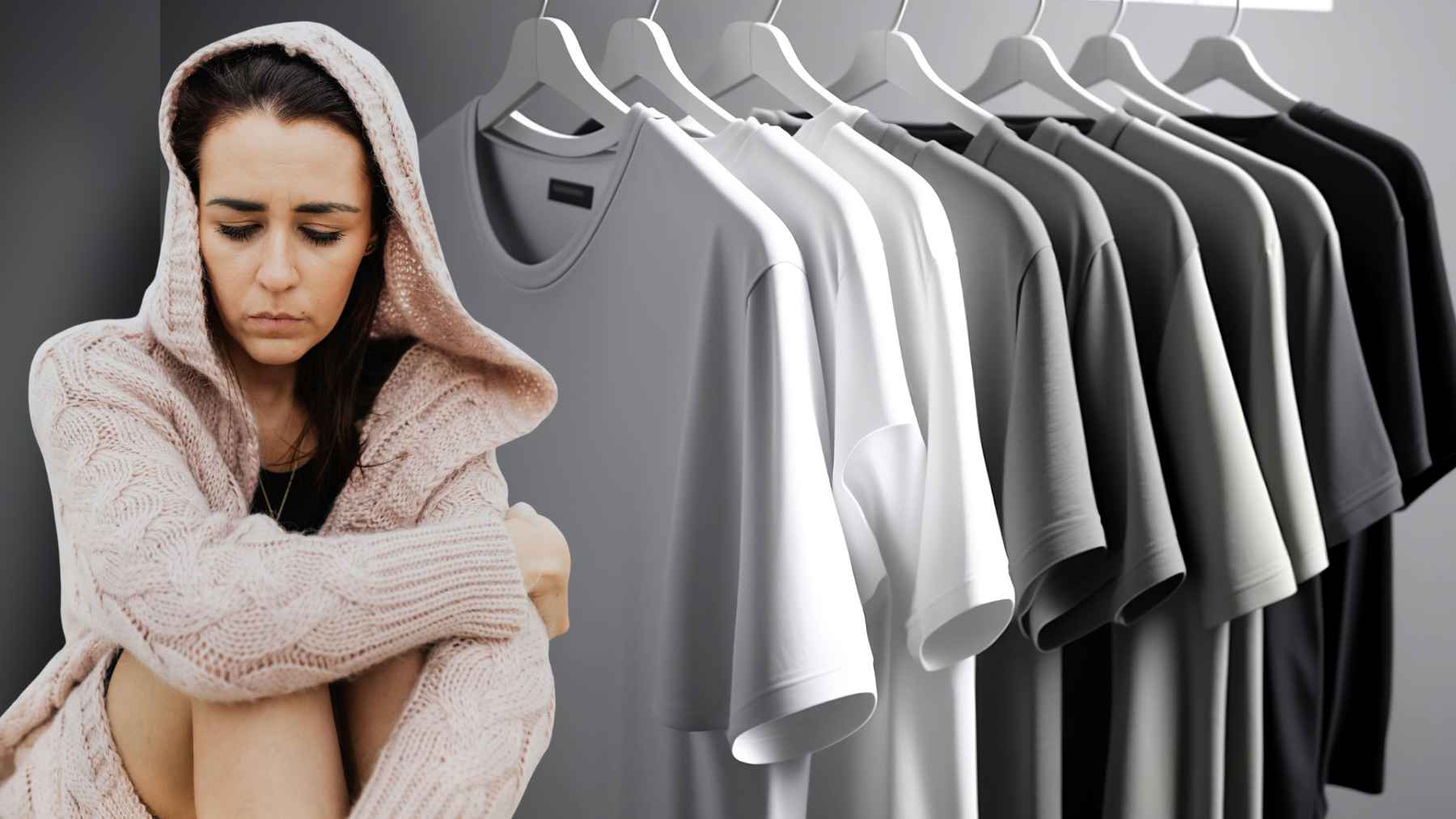
Outfits in gray, brown, and black tones associated with low self esteem in color psychology studies.

Color psychology has observed that, in people with low self-esteem, certain color preferences are often associated with insecurity, a need for control, and emotional protection.

These patterns show up in studies about how clothing colors and environments influence mood, self-perception, and how others see us. Still, they are never rigid labels, just tendencies that can offer clues about what someone may be feeling inside.

Pale gray: protection and fear of standing out

Pale gray is often linked to emotional inhibition and fear of drawing attention. It tends to show up in people who prefer to stay in the background, avoiding the spotlight because they are afraid of criticism or being judged.

Neutrals like light gray can provide a feeling of safety and control, even if that means sacrificing personal expression and visibility.

Muted brown: insecurity and search for stability

Soft, muted browns reflect self-preservation, caution, and a strong need for emotional stability.

From a color psychology perspective, they are associated with people who feel vulnerable or who are going through intense periods of self-criticism.

Brown is tied to earth and security, so people who choose it over and over again often seek grounding and emotional containment, sometimes without fully realizing it.

All black: self-protection and emotional walls

Black is also a color of power and elegance, but when it is worn almost all the time and in a very rigid way, it can function as a kind of emotional armor. In contexts of low self-esteem, it often appears as a way to hide vulnerabilities and create distance from others.

All black outfits can become a strategy to avoid emotional exposure and to tightly control the image that is presented to the outside world.

Key idea

Color does not define anyone, but repeated choices can reveal temporary emotional states and certain unconscious habits of self-protection.

Noticing these patterns can help us better understand what we are feeling, start working on self-perception, and open the door to emotional support when we need it. Improving self-esteem is not about throwing out your black, gray, or brown clothes, but about slowly strengthening the relationship you have with yourself.

The study was published in the Sapienza International Journal of Interdisciplinary Studies.


Image Autor

Sonia Ramírez

Journalist with more than 13 years of experience in radio and digital media. I have developed and led content on culture, education, international affairs, and trends, with a global perspective and the ability to adapt to diverse audiences. My work has had international reach, bringing complex topics to broad audiences in a clear and engaging way.

Related news

Child playing alone outdoors showing independence and self directed activity

Psychology asserts that children of the 1960s and 1970s did not become emotionally strong thanks to better parenting, but because they grew up with enough daily neglect to learn to self-regulate, solve problems on their own, and develop a resilience that modern comforts make difficult to build

April 17, 2026 at 5:00 PM
Person walking alone in nature reflecting on life after retirement

I retired with more money than I ever imagined I’d have, but I discovered that what disorients a person most isn’t stopping work, but waking up to a life in which no one seems to need anything from her anymore

April 17, 2026 at 12:30 PM
Self checkout screen at Target showing barcode scanning during retail transaction

A man walked into Target with a few packets of taco seasoning and ended up using a trick as absurd as it was effective to walk out with $40,000 worth of merchandise

April 17, 2026 at 6:35 AM
Older woman preparing homemade food at a table, reflecting the unseen work behind long-running family traditions.

Psychology suggests that those who uphold long-standing family traditions for decades aren’t always “happy to do so”; often, they’ve turned the planning, the cooking, and the emotional management into a silent way of earning a place they fear losing if they stop shouldering the burden

April 17, 2026 at 5:24 AM
Thoughtful person sitting alone despite being socially active and supportive to others

Psychology suggests that the loneliest people in life are not usually the outcasts, but rather those kind, competent, and always-available individuals whom everyone values, but whom almost no one calls to ask how they are doing because they seem too strong to need care

April 14, 2026 at 3:00 PM
Bidet attachment on a toilet showing a water based alternative to traditional toilet paper in a modern bathroom

Goodbye to toilet paper: your days are numbered, and thousands of people are already using these cleaner, cheaper, and more eco-friendly alternatives

April 14, 2026 at 9:42 AM

Leave a Comment