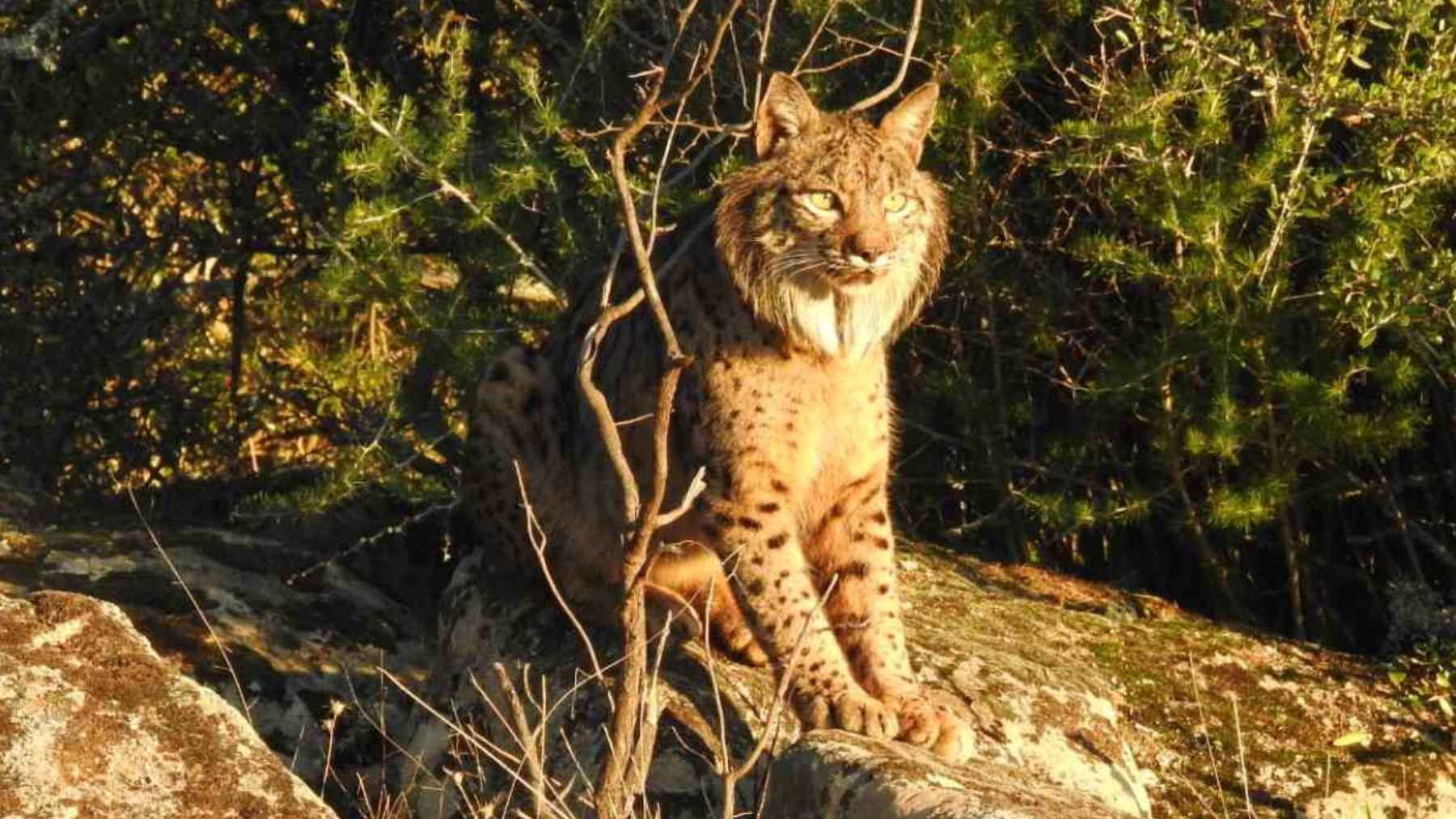
The Iberian lynx has become one of Europe’s most celebrated conservation stories. Once pushed close to extinction, this spotted wild cat is now expanding again across parts of Spain and Portugal, a recovery that many biologists see as a rare win for nature.
A new study led by researchers at the University of Cádiz, however, shows that the lynx’s return may be changing Mediterranean forests in a quieter way.
By altering the behavior of foxes and stone martens, the predator appears to be reducing the spread of seeds from the Iberian pear, a fleshy-fruited tree also known as Pyrus bourgaeana. In areas with lynx, seed dispersal fell by up to 80%, according to the university’s summary of the findings.
A comeback with consequences
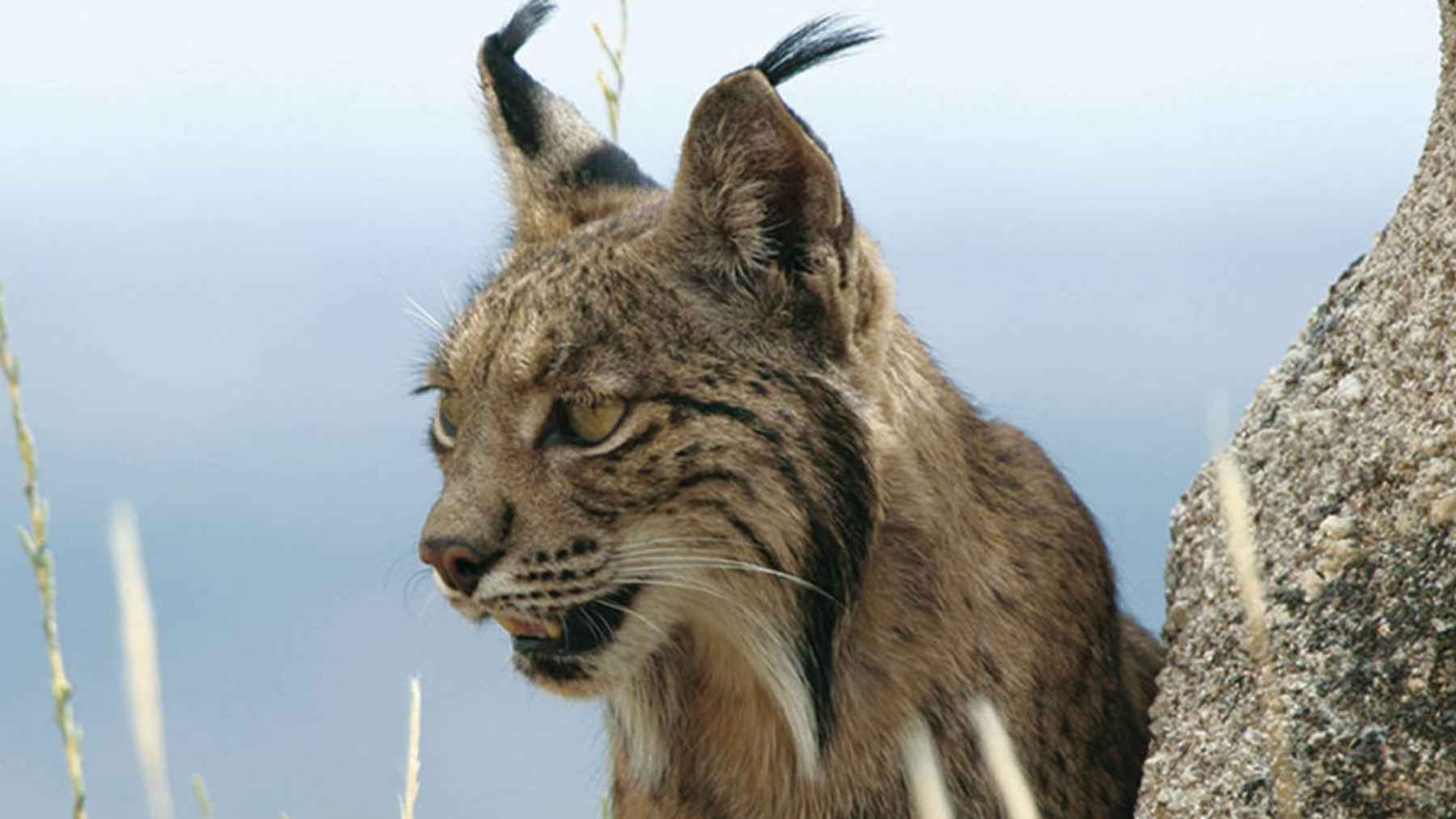
The Iberian lynx (Lynx pardinus) is a top predator, which means its presence can shape the behavior of many animals below it in the food web. That is usually the point of rewilding, since bringing back large carnivores can restore missing ecological pressure.
Still, nature rarely moves in a straight line. The University of Cádiz said the research shows lynx recovery can affect not only predator and prey relationships, but also mutualistic interactions that help plants regenerate. Tamara Burgos, the study’s first author, said conservation programs should “consider all levels of the trophic network.”
Why seeds depend on foxes
The Iberian pear produces fleshy fruits that are eaten by medium-sized carnivores such as red foxes and stone martens. After eating the fruit, these animals move through the landscape and leave seeds behind, often far from the parent tree.
That may sound like a small detail, yet it is one of the quiet jobs that keep forests renewing themselves. No seed delivery, no next generation of trees. A fox trotting across a sunny clearing can be doing forest work without looking like it.
When lynx are present, however, those smaller carnivores appear to change where they go and how active they are. The study found that lynx presence reduced mesopredator activity and shifted seed arrival toward forested areas rather than open ones.
Safer places are not always better places
Here is the twist. Forest cover may be safer for foxes and martens trying to avoid a lynx, but it is not necessarily better for Iberian pear seedlings. The University of Cádiz reported that, in lynx areas, seeds were concentrated in shaded forest sites where seedling survival was extremely low.
Open habitats, on the other hand, gave the Iberian pear a better chance because the species needs sunlight. Think of it like putting a sun-loving plant in the darkest corner of a yard. It may be protected, but protection alone will not make it thrive.
The study also found another complication involving rodents. Shrubs offer favorable conditions for seedling establishment, but they were also places where rodents consumed more seeds. That creates a seedling conflict, where the best nursery sites can also be risky places for the seed itself.
The lynx is not the villain
It would be easy to read this as bad news for lynx conservation. That would miss the bigger picture. The Iberian lynx is still a major conservation success, and the study does not argue against its recovery.
Official census data show the Iberian lynx population in Spain and Portugal reached 2,401 registered individuals in 2024, a 19% increase from 2023. The same official report says the figure reflects a positive trend built over two decades of monitoring and conservation work.
The The International Union for Conservation of Nature (IUCN) also reported in 2024 that the species had improved from “Endangered” to “Vulnerable” on the Red List, thanks to conservation action. That is a huge change for a wild cat that once seemed to be slipping out of the Mediterranean landscape.
What this means for rewilding
The real message is more nuanced. Restoring a top predator does not simply put an ecosystem back the way it was. It can also create new pressures, especially in landscapes where other important animals have disappeared or declined.
The University of Cádiz noted that defaunation already affects Mediterranean systems, meaning some large fruit-eating animals are missing from the scene. In that context, medium-sized carnivores can become especially important seed dispersers. If lynx pressure changes their movements, trees may feel the ripple.
That does not make rewilding wrong. It makes it more complicated. At the end of the day, what conservation is trying to do is rebuild living systems, not just add one famous species and call the job finished.
Other plants may be affected too
The research focused on the Iberian pear, but scientists say other Mediterranean plants with fleshy fruits could also be affected. One example is the strawberry tree (Arbutus unedo), a familiar species in Mediterranean scrublands and forests.
For now, that possibility remains a research question. The University of Cádiz said any potential benefit or harm for those other plants has not yet been evaluated. That caution matters because ecosystems often surprise us.
So, what should land managers keep in mind? The study points toward conservation plans that track not only animal numbers, but also seed movement, seedling survival, rodent activity, and habitat structure. Small things add up.
A forest story written by predators
The Iberian lynx is doing what top predators do. It changes where other animals feel safe, where they feed, and where they leave behind the next generation of plants.
That is both fascinating and a little unsettling. A predator can shape a forest without ever touching a tree. It only has to change the routes taken by the animals that carry seeds.
The study was published in Oikos.