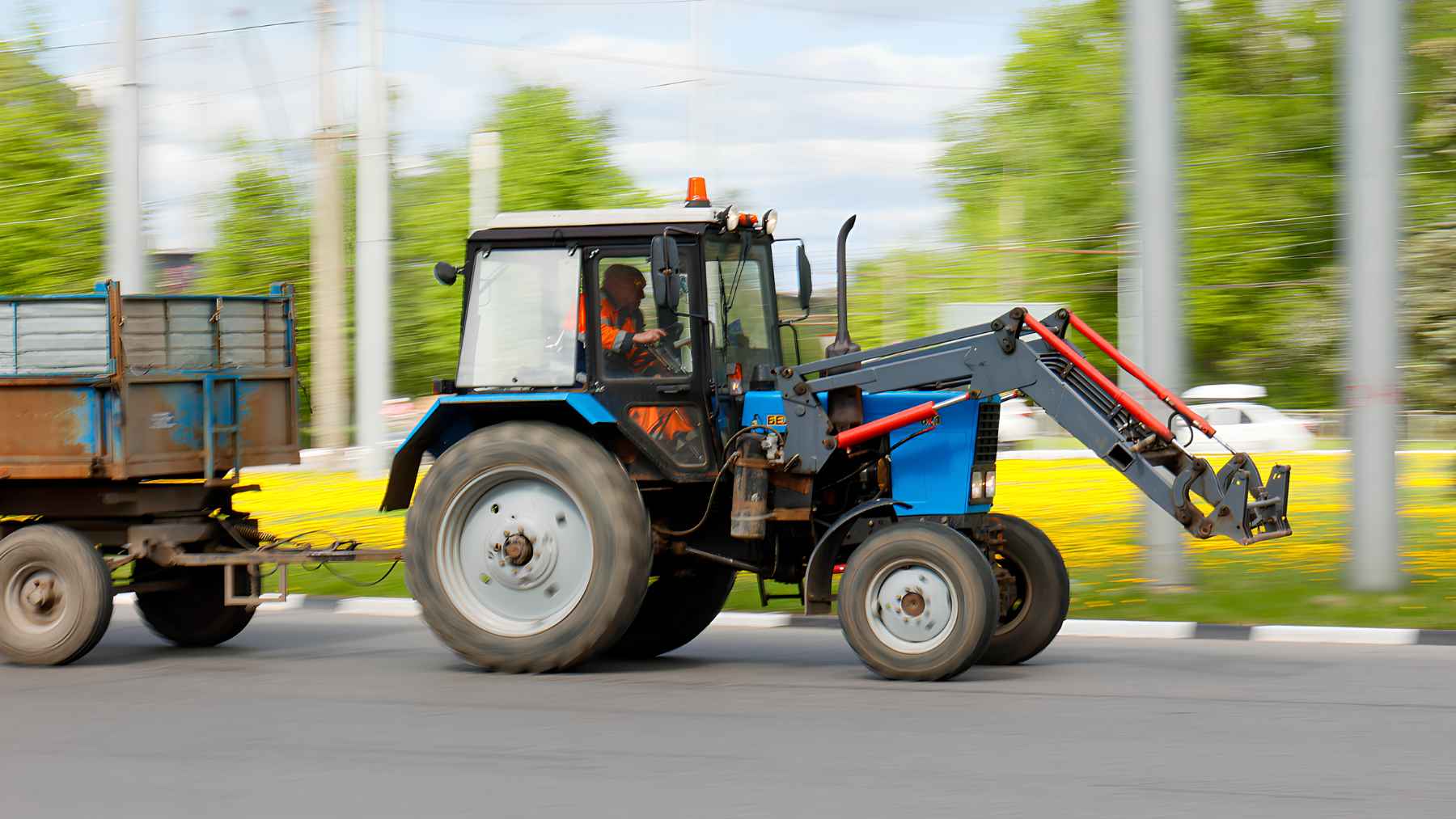
A Russian university team has presented a tractor attachment that sends cooled exhaust gas from a working farm machine straight into the soil. The developers at Yaroslav the Wise Novgorod State University say the system is meant to turn gases that would otherwise leave the tailpipe into a crop treatment during seeding or field work.
It sounds almost upside down at a time when many climate conversations focus on cutting exhaust altogether. But the real story is more careful than that. NovSU describes a promising carbon farming idea, while also warning that the wrong settings could overheat the gases, damage soil, and produce very different results from one field to another.
A strange idea for greener farming
The new system was developed by Maxim Yemelyanov, a student at NovSU’s Institute of Chemical Technology, and Sergey Pavlov, an associate professor in agricultural production and processing. According to the university, the attachment sends tractor exhaust directly into the ground while the machine is already operating in the field.
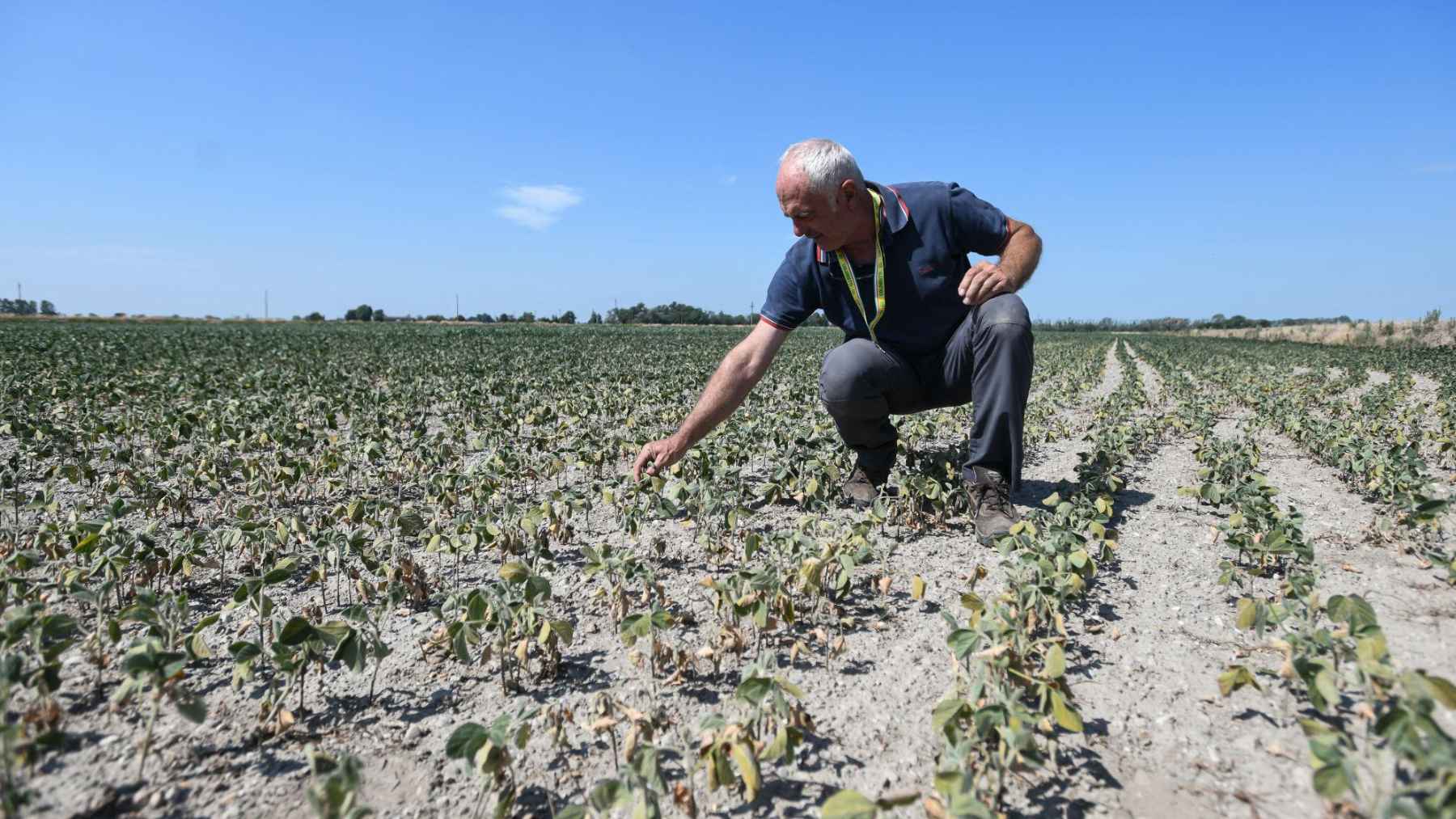
Why would anyone put exhaust into soil on purpose? NovSU says the cooled gases may stimulates oil microorganisms and nitrogen-fixing bacteria, which could improve seed germination, root growth, yields, and drought resistance.
The team also says this “gas therapy” may help plants absorb calcium and phosphorus more quickly while reducing stress linked to soil salinity.
How the turbine works
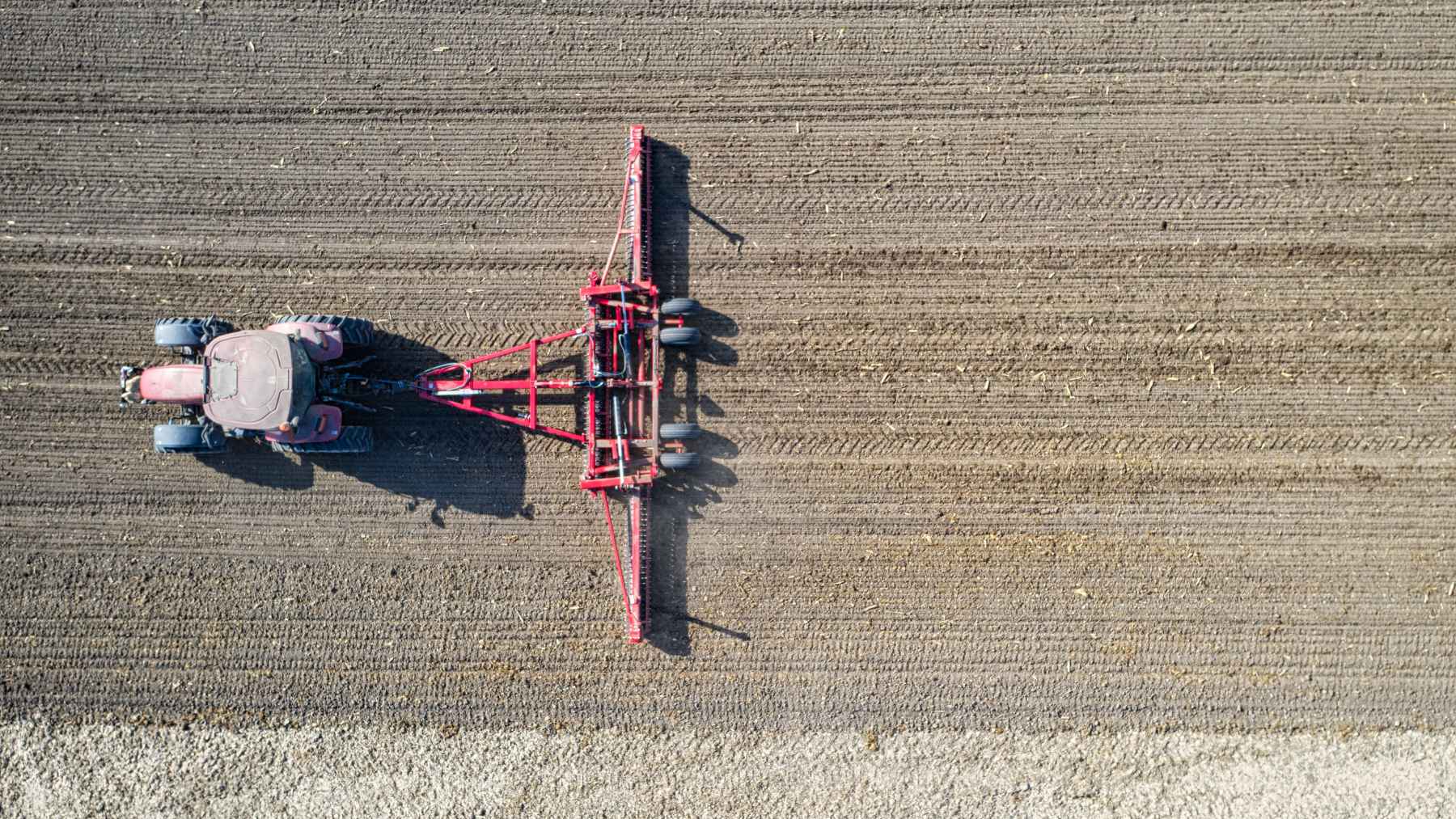
At the center of the device is a turbine that draws in exhaust from the tractor engine and mixes it with outside air. That mixing cools the gas stream from about 482 degrees Fahrenheit to about 176 degrees Fahrenheit before it is sent through pipes toward the soil or a seeder.
From there, the gases can be applied along with seeds during sowing, mixed during fertilizing, or used during soil cultivation. The setup includes an adapter near the exhaust pipe, a metal hose that carries gas to the turbine, smaller distribution hoses, and steel tips placed behind the openers of a potato planter or seeder. It is not glamorous machinery, but farming often runs on practical add-ons like this.
The carbon farming angle
Carbon farming is based on a simple idea with complicated science behind it. Instead of letting carbon keep building up in the atmosphere, farmers and land managers try to store more of it in soil, forests, or plant material.
FAO says improved agricultural practices can help reduce emissions and store carbon in plant biomass and soils.
That matters because food production has a huge climate footprint. FAO’s latest available data show that global agrifood systems produced about 18.2 billion U.S. tons of CO2 equivalent in 2023, equal to 32 percent of total emissions.
The OECD and FAO also project that global agricultural and fish production will rise 14 percent over the next decade, while direct agricultural greenhouse gas emissions could still rise 6 percent by 2034.
What farmers might gain
For growers, the appeal is easy to understand. If the method works in field trials, a tractor could do two jobs at once, moving across the field while treating the soil with gases already produced by the engine. That could matter when farmers are watching the fertilizer bill, the fuel bill, and that dry summer heat we all know.
Still, this is where the language needs to stay grounded. NovSU says the technology could help crops handle drought and absorb nutrients, but the university also says application rates have to be determined experimentally. In practical terms, that means soil type, tractor model, fuel, and local conditions all matter.
The catch is temperature
The biggest warning is heat. NovSU says the system can cause harm if it is set up incorrectly, because gases above 176 degrees Fahrenheit could burn the soil or cause oxidation. That is not a small technical detail. It is the line between a treating and injuring the soil.
The researchers also note that sensors, gas analyzers, filters, nozzles, and exhaust coolers can be added to control the system. Those safeguards may decide whether the invention can move from a curious university project into real farm use. After all, farmers do not need another gadget unless it works safely in muddy, dusty, unpredictable fields.
What still needs proving
NovSU says the research was presented as a final qualification project in Agroengineering and attracted practical interest from employers at the defense. A commercial director at Novgorodselkhozkomplekt offered a company site, a tractor, and equipment for continuing the research.
The next step should be hard data. Researchers would need to measure crop yields, soil carbon, microbial activity, long-term soil health, pollutant residues, and greenhouse gases beyond carbon dioxide. That last point matters because the EPA notes that agricultural soil management is a major source of nitrous oxide, a powerful greenhouse gas.
Not a miracle, but worth watching
This invention does not make tractor exhaust clean. It also does not replace the broader push to reduce farm emissions at the source. What it does suggest is a different question. While many farms still depend on combustion engines, can part of that waste stream be managed more intelligently?
For now, the answer is still open. The idea is unusual, possibly useful, and clearly in need of more testing. That is often how real agricultural innovation begins, not with a miracle claim, but with a tool that has to prove itself row by row.
The press release was published on Novgorod State University’s website.