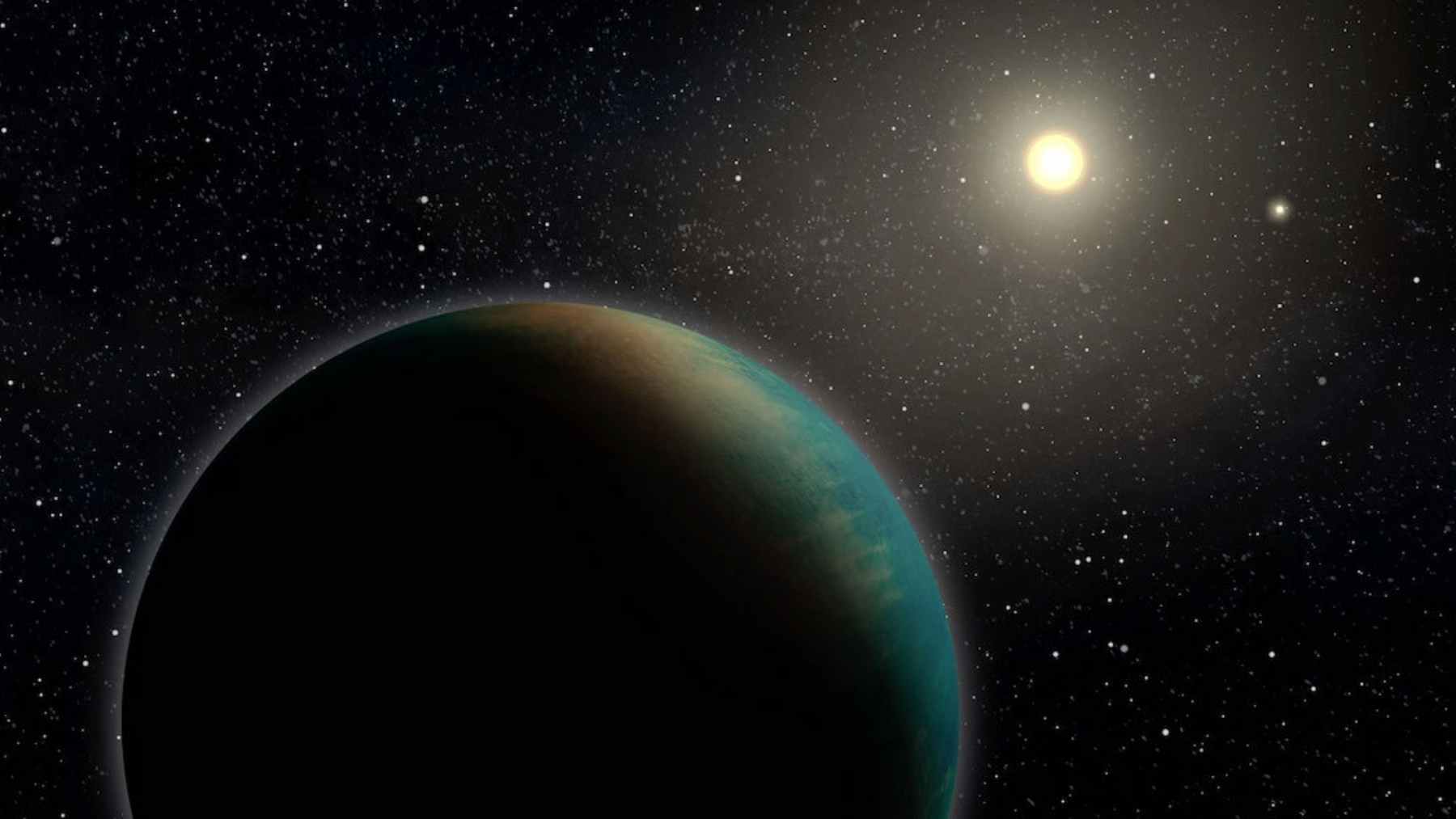
A newly validated exoplanet called TOI-512 b is giving skywatchers a fresh reason to look up. The world sits about 218 light-years from Earth, and it looks a lot like a scaled-up version of our own planet in terms of density.
But the bigger story is how it was confirmed. By pairing a space telescope that spots tiny dips in starlight with a ground instrument that checks a star’s subtle “wobble,” researchers didn’t just lock in one planet, they also ruled out a second candidate that initially looked convincing. So how do you prove a planet is real when you can’t see it directly?
Meet TOI-512 b and why it’s called a super-Earth
Astronomers use the term “super-Earth” for planets that are heavier than Earth but still far smaller than gas giants like Jupiter. We don’t have anything like that in our own solar system, which is one reason these worlds keep showing up in headlines and in telescope schedules.
TOI-512 b appears to be about one and a half times Earth’s size and roughly three and a half times Earth’s mass, circling its star in just over seven days. Its density is very close to Earth’s, which is a strong hint it’s mostly rocky rather than a puffy ball of gas.
How a planet is confirmed when it’s hundreds of light-years away
One key tool in the discovery was the Transiting Exoplanet Survey Satellite, or TESS, run by NASA. In simple terms, it watches for “transits,” the tiny dimming that happens when a planet crosses in front of its star from our point of view, like a gnat briefly passing a porch light.
The catch is that transits can fool you, because stars can flicker and stellar companions can mimic a planet signal. That’s why co-author Mara Attia, speaking through a press release from the University of Geneva, stressed that the transit method can produce false positives and often needs a second technique to confirm what’s really there.
ESPRESSO and the star “wobble” test
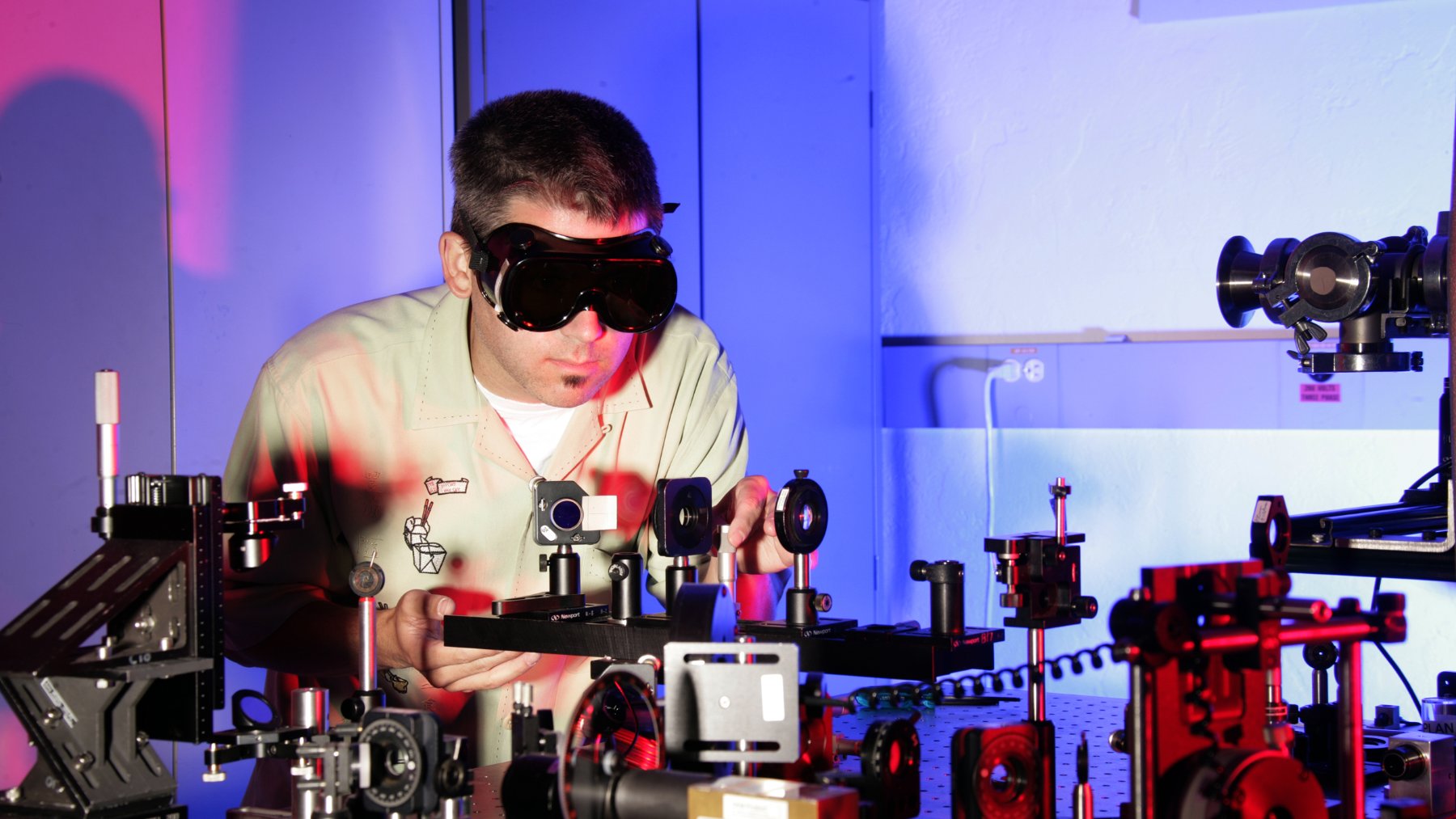
That second technique is the radial velocity method, which looks for a star’s back-and-forth motion caused by a planet’s gravity. The team used ESPRESSO on the Very Large Telescope in Chile, operated by the European Southern Observatory, and the instrument can even combine light from four large telescopes to act like a much bigger one when needed.
In this case, the confirmation was built on 37 nights of ESPRESSO measurements, combined with long stretches of TESS data gathered over more than two years. Put together, the signals didn’t just confirm TOI-512 b, they also found no evidence for the second candidate flagged by the TESS pipeline.
Once you know both a planet’s size and its mass, you can estimate what it’s made of in broad strokes. The analysis points to a world with a small central core, a thick rocky interior, and at most a limited amount of water, with very little gas on top.
Why this one planet matters for the bigger search
TOI-512 b lands in a frustrating but fascinating zone between clearly rocky worlds and clearly gaseous ones. Researchers are trying to understand why some planets in this size range end up more like oversized Earths, while others turn into “mini-Neptunes” with thick atmospheres.
The star’s relatively low activity also makes this system a tempting target for future “transmission spectroscopy,” which is a way of looking for atmospheric fingerprints when a planet transits. That’s the kind of follow-up that could eventually move the conversation from “it exists” to “what is it actually like,” even if the answers come in small, careful steps.
And it fits a wider pattern in exoplanet work, where better instruments keep turning maybes into yeses or noes. For example, another observatory report in October 2024 described how precise ground observations revealed a new planet around Barnard’s Star, showing how quickly the field is moving when the data get sharper.
The study, accepted in Astronomy & Astrophysics, was published on arXiv.