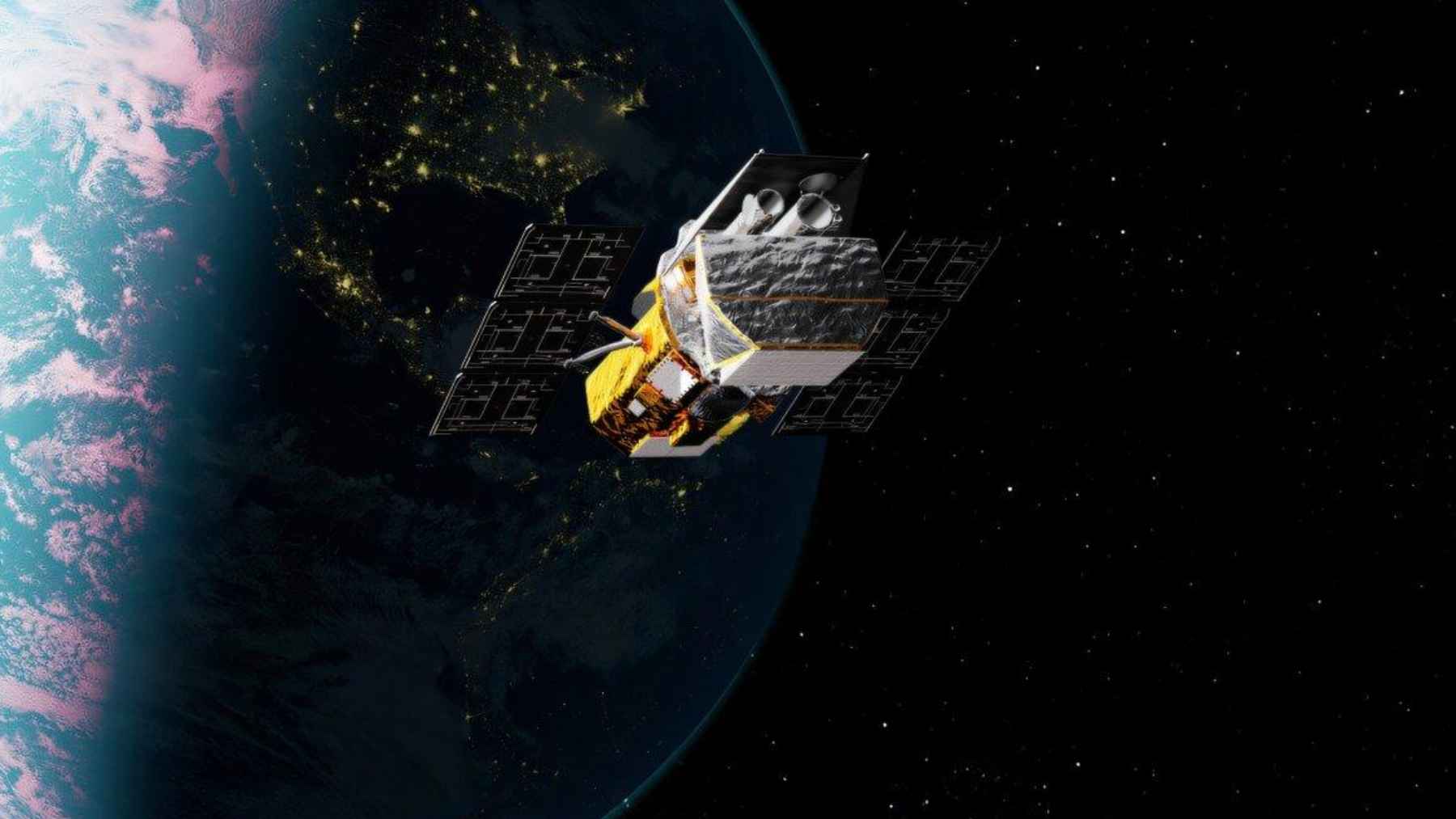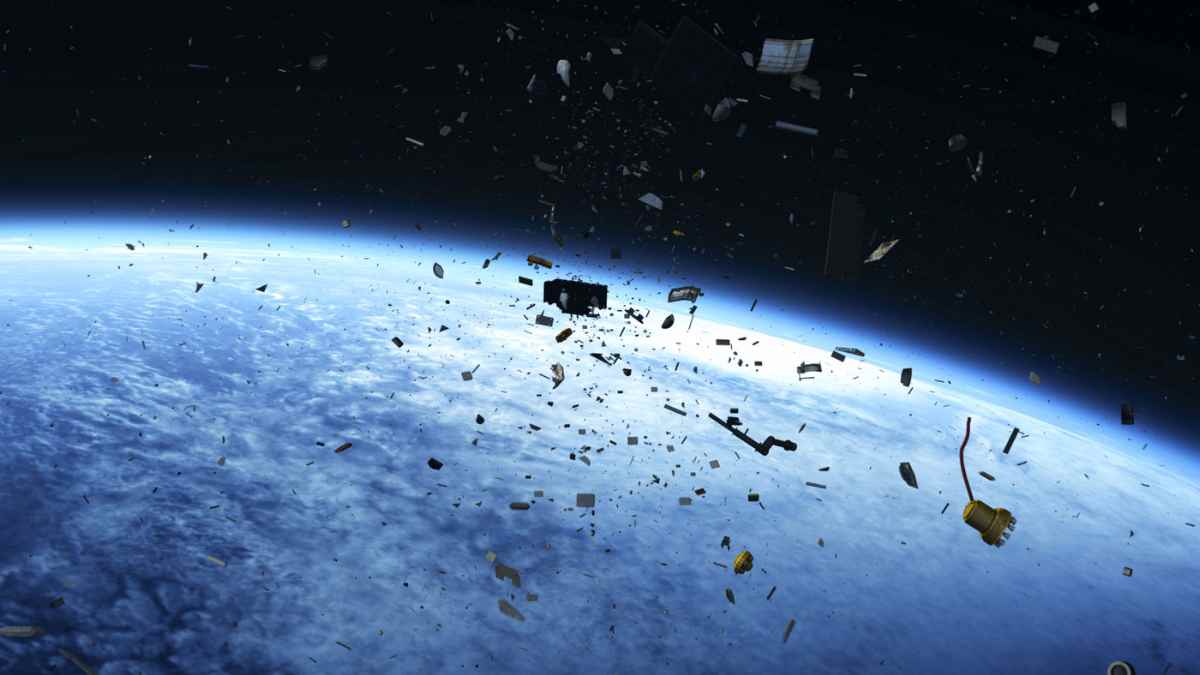
Europe is bringing its top space experts together in Bonn in early April to confront a problem that is no longer invisible. Space debris now threatens the satellites that keep people connected and support banking, navigation and climate science. ESA estimates that more than 1.1 million pieces of debris larger than one centimeter already race around Earth, each capable of damaging or destroying a spacecraft.
At the World Conference Center Bonn on April 1, 2025, ESA and the German Aerospace Center will open the ninth European Conference on Space Debris with a high-level media briefing that is also streamed online. Scientists, engineers and policy makers will examine new figures on orbital congestion and ask a blunt question: Is humanity turning near Earth orbit into the next major environmental crisis?
From invisible junk to global risk
Space debris covers everything from dead satellites and spent rocket stages to shards from past collisions. Since the dawn of the space age, tens of thousands of objects have been cataloged in orbit, while many more slip under the radar. Models suggest that well over one million pieces larger than one centimeter and hundreds of millions of smaller fragments crowd the region around our planet.
Each fragment travels at several kilometers per second, so even a marble sized piece can punch through a working satellite and create a cloud of shrapnel. Over time this raises the chance of further collisions in a cascading process known as Kessler syndrome, where debris begets more debris and some orbits risk becoming too hazardous to use.
What the Bonn summit will tackle
The Bonn conference is designed as a health check for Earth orbit. ESA will present updated figures from its Space Debris Office, explain where debris is most concentrated and show how the situation could evolve if stronger measures are not taken. Sessions will cover improved detection of small fragments, better sharing of tracking data and smarter ways to steer satellites away from hazards before collisions occur.
Speakers will also focus on how to clean up the mess already in space and stop adding to it. ESA’s Holger Krag, Director General Josef Aschbacher, German space chief Walther Pelzer, astronaut Thomas Reiter and researchers Carolin Frueh and Camilla Colombo will outline ideas such as active debris removal, stricter end-of-life rules and sustainability measures for orbits from low Earth orbit to the region between Earth and the Moon.
ESA will also premiere a short documentary during the opening session, titled “Space Debris: Is it a Crisis?“. The film explains how the problem developed, why small fragments matter so much and what tools already exist to begin turning the situation around, offering journalists and the wider public a concise introduction to a topic that is usually buried in technical reports.
Space sustainability joins the climate agenda
ESA’s latest space environment analysis warns that some orbits could become effectively unusable if the debris problem keeps growing unchecked. The agency notes that objects larger than one centimeter are already numerous enough to cause catastrophic damage to many satellites. In ESA’s words, “even if we created no new space debris, it would not be enough to prevent a runaway series of collisions and fragmentations”.
That warning has direct consequences for life on Earth. Weather forecasts, emergency alerts and disaster mapping all rely on satellites that circle the planet many times a day. Observatories in orbit track greenhouse gases, sea level rise and deforestation, providing data that guide climate policy and help evaluate progress. If key orbits became too risky to use, climate action and disaster response would become slower, harder and more expensive.
Why this matters beyond the space sector
For environmentalists, the Bonn summit is a reminder that sustainability does not stop at the edge of Earth‘s atmosphere. The orbital corridors that carry satellites are a finite resource, much like clean air or a stable climate. Filling them with uncontrolled junk would undermine many of the tools people rely on to understand and protect the planet.
Space debris may seem distant, yet choices made now will decide whether future generations can keep using satellites to manage energy systems, track pollution and monitor a warming world. By treating orbital safety as part of sustainability, Europe’s space community is sending a clear message. Protecting the environment now includes the thin shell of space that surrounds Earth, not only the land, ocean and air below.