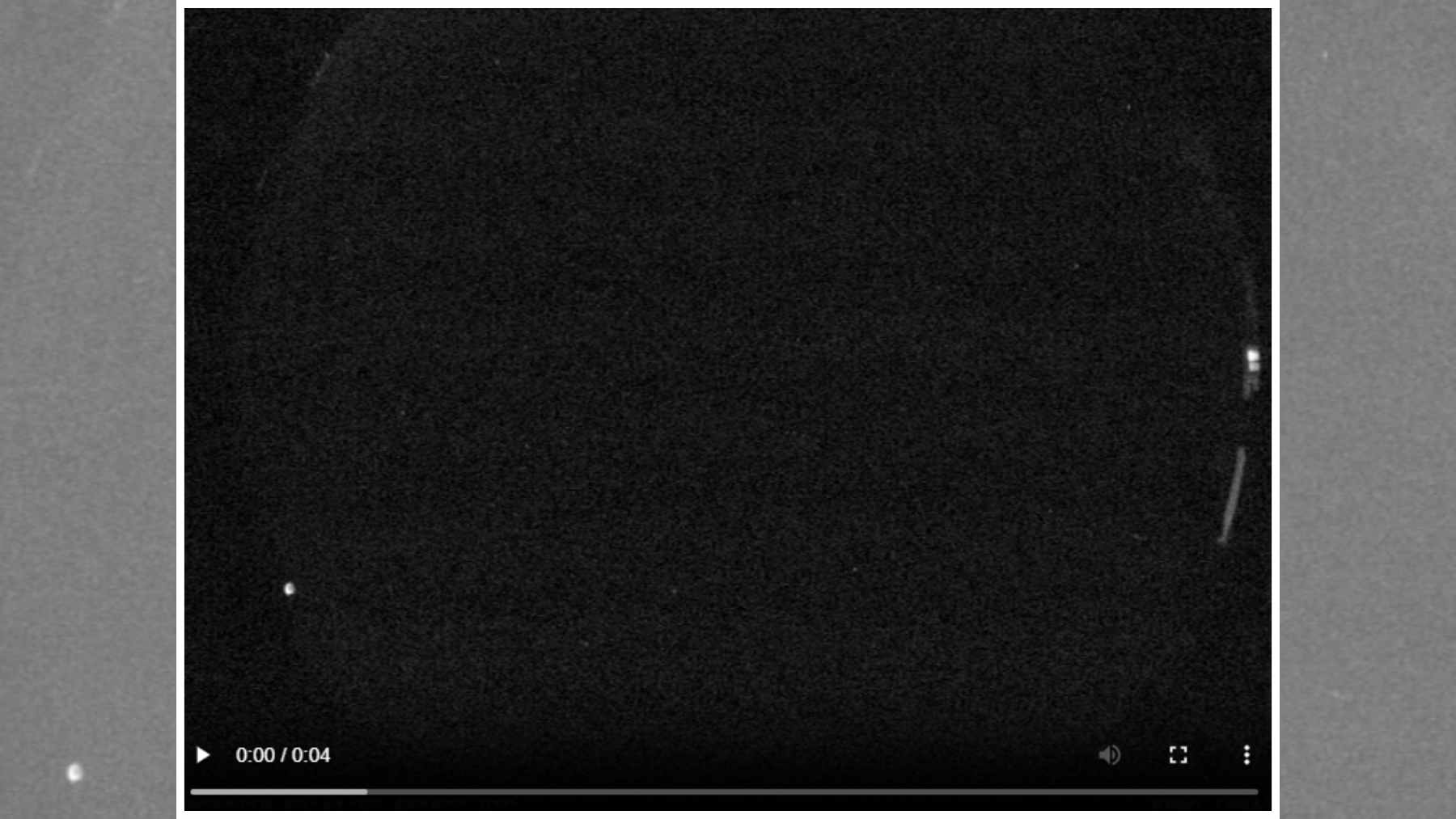
People across Dothan, Alabama, and the surrounding tri-state region stepped outside this week and watched bright green streaks race low across the southern sky. The clips spread fast online, and for a moment, plenty of locals had the same thought. Was something entering the atmosphere?
The answer is much calmer, and way more familiar to astronomers. Those green lights were likely Taurid meteors, part of a long-running autumn meteor shower known for slow, dramatic “fireballs” that can look almost unreal.
A sudden green streak, then a flood of posts
Reports rolled in from Alabama highways, the Florida Panhandle, and nearby parts of Georgia as drivers tried to make sense of what they were seeing without swerving into a ditch. “Saw it over in Georgia. It was a brief streak of green low on the horizon in the south, going from NW to SW,” Harry Grier wrote in the Facebook group “What’s Happening Dothan.”
Others described the moment in the same stunned, simple way. “I was on Brannon Stand Road north of 52 and saw it. It was awesome,” Larry Pettis posted, echoing the reaction many people had when the sky suddenly lit up.
Some locals leaned into humor instead of worry. One commenter joked, “Where is the mothership? I’m ready to load up,” before adding they might wait a couple days before making a space rocks car payment, just in case. Social media can make anything feel apocalyptic, but most of the time, these streaks are harmless visitors burning up high overhead.
From space pebble to shooting star
A lot of the confusion comes down to words that sound similar but mean different things. A meteoroid, a small natural rock still in space, becomes a meteor when it burns as it tears through our air, and a meteorite is the rare chunk that survives and reaches the ground, as explained in NASA’s Basics of Space Flight. That breakdown matters because most of what people see in a meteor shower never comes close to landing.
A meteor shower happens when Earth passes through a trail of debris left behind by a comet or asteroid. Instead of one big rock, it is more like driving through a dusty patch of road, except the “dust” is moving so fast it flashes into light the moment it hits the atmosphere.
Why the Taurids can look slow, bright, and even green
The Taurids are not the kind of shower that usually produces nonstop streaks. For the most part, you might only see a few per hour under dark skies, but they are famous for occasional showstoppers that look bigger, brighter, and more colorful than you would expect. The American Meteor Society also notes the Taurids come in two branches, with a Southern stream earlier in the season and a Northern stream that peaks later.
So why did these look slow? Taurids hit the atmosphere at about 65,000 miles per hour, but they often arrive at a shallower angle, which can make the streak hang around for seconds instead of flashing and vanishing instantly. Some become a “fireball,” meaning a meteor bright enough to outshine Venus, and those are the streaks most likely to grab your attention through a car windshield or living room window.
That green color is not a special effects trick. It can come from the minerals inside the space rock as it vaporizes, plus the way the heated air around it glows as the object compresses the atmosphere in front of it.
The comet behind the show and what comes next
The Taurid debris stream is tied to Comet 2P/Encke, a small comet about 3 miles wide that loops around the sun roughly every 3.3 years and sheds material along the way. Over long stretches of time, that debris spreads out, and Earth crosses it each autumn, turning tiny fragments into bright streaks when conditions line up.
If you want to catch more, the advice is refreshingly low-tech. Step away from streetlights, give your eyes about 20 minutes to adjust, and skip the bright phone screen that always seems tempting in the dark. Also, November does not end with the Taurids, since the famous Leonid meteor shower follows with much faster meteors that can snap across the sky in an instant.
The official overview was published on NASA Science.