For more than a century, England has been missing its only native wild feline. Now, conservation officials and partners in southwest England say the European wildcat could realistically come back, if the region can manage the risks that come with releasing a predator into a modern landscape.
The big takeaway is simple. A two-year feasibility report says parts of mid-Devon have enough connected habitat to support wildcats, while public support looks strong. The next question is the one locals will care about most. Can people, pets, and farms live alongside a cat that has been gone since the 1800s?
What a European wildcat is, and why its return is a big deal
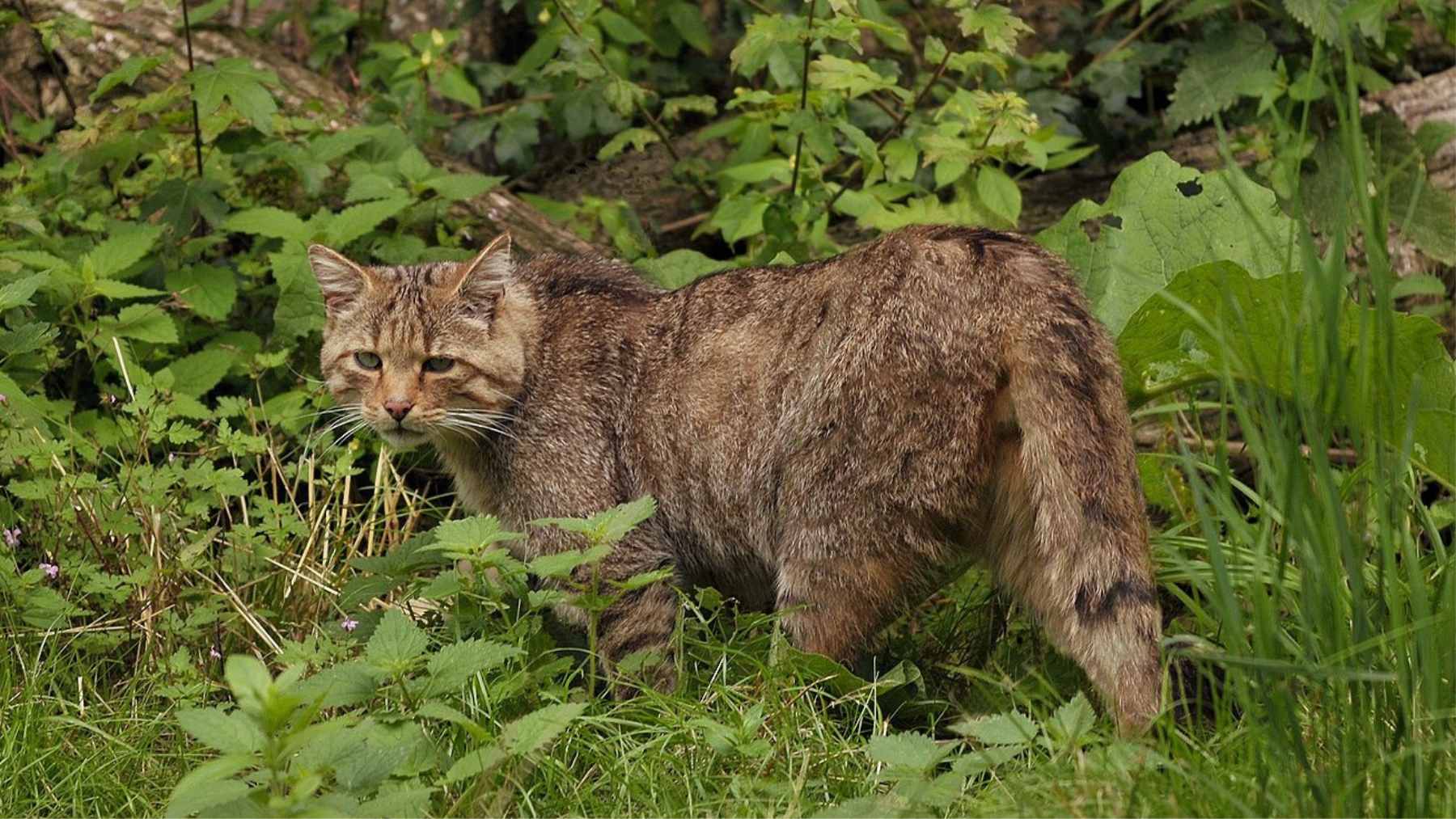
Despite the “apex predator” headlines, this animal is better described as a medium-sized hunter, not a wolf or a big cat. It looks a lot like a chunky tabby, but it is genetically distinct and tends to avoid people, mostly moving at night.
Supporters argue the wildcat’s role is less about drama and more about balance. In plain terms, adding a missing predator can help keep common prey species in check, which can ripple through a woodland ecosystem over time. That is the theory, anyway, and it is one reason reintroductions keep showing up in UK nature debates.
What the feasibility work says about habitat, prey, and safety
The strongest “yes” in the research is habitat. The report says southwest England has enough woodland connected by rough grasslands and other suitable cover to support a sustainable population, with mid-Devon flagged as a particularly well-connected landscape.
What would the cats eat, and should anyone worry? The report points to diets that focus heavily on small mammals, and it says wildcats pose no meaningful threat to people, lambs, or pets, with standard precautions recommended for poultry. If you have backyard chickens, think about the same kind of steps people already take against foxes.
The public seems on board, but the hardest problem is close to home
Reintroductions can fail without local support, and the project’s polling suggests a stronger starting point than many wildlife rollouts get. Two surveys run by the University of Exeter found 71% of a representative sample of 1,000 people liked the idea, while 83% of 1,425 online respondents also felt positive.
But there is a catch that is uniquely modern, and it lives on your street. Interbreeding with domestic and feral cats can blur wildcat genetics over time, which is one reason Scotland’s population has struggled. The plan being discussed centers on partnerships with cat welfare groups and expanded neutering efforts in areas where wildcats could live, plus clear reporting routes if problems show up.
What the project’s own benchmarks say about timing and scale
If you are looking for a single release date, the official report does not set one. Instead, it frames the next phase as groundwork, with site selection, community engagement, and long-term monitoring still needed before any “paws on the ground.”
On numbers, the report lays out what success would look like after releases begin. One benchmark is reaching a population of 40 to 50 animals, including at least 25 females, within five years of the first release, while also recording breeding early on. Media coverage has floated 2027 as an earliest possible starting point, but that depends on approvals, funding, and local buy-in.
Scotland’s early results, and the bigger reintroduction trend behind this
England is not starting from scratch. Scotland’s Saving Wildcats work has reported encouraging signs, including kitten births in the wild after releases, which researchers treat as a crucial proof point that cats can survive and reproduce once back on the landscape.
There is also a longer paper trail behind the southwest effort. Earlier feasibility mapping by the Vincent Wildlife Trust flagged parts of England and Wales as potentially suitable, helping set the stage for today’s more detailed regional analysis. This is how reintroductions often move forward, step by step, with risk checks before any animal is moved.
You can read the South West Wildcat Project feasibility report, the University of Exeter social feasibility report, the earlier Vincent Wildlife Trust feasibility report, and Scotland’s Saving Wildcats update on kitten births.The main official work has been published as the Southwest England Wildcat Reintroduction Feasibility report by Devon Wildlife Trust.
The main feasibility study was published on the Devon Wildlife Trust website.