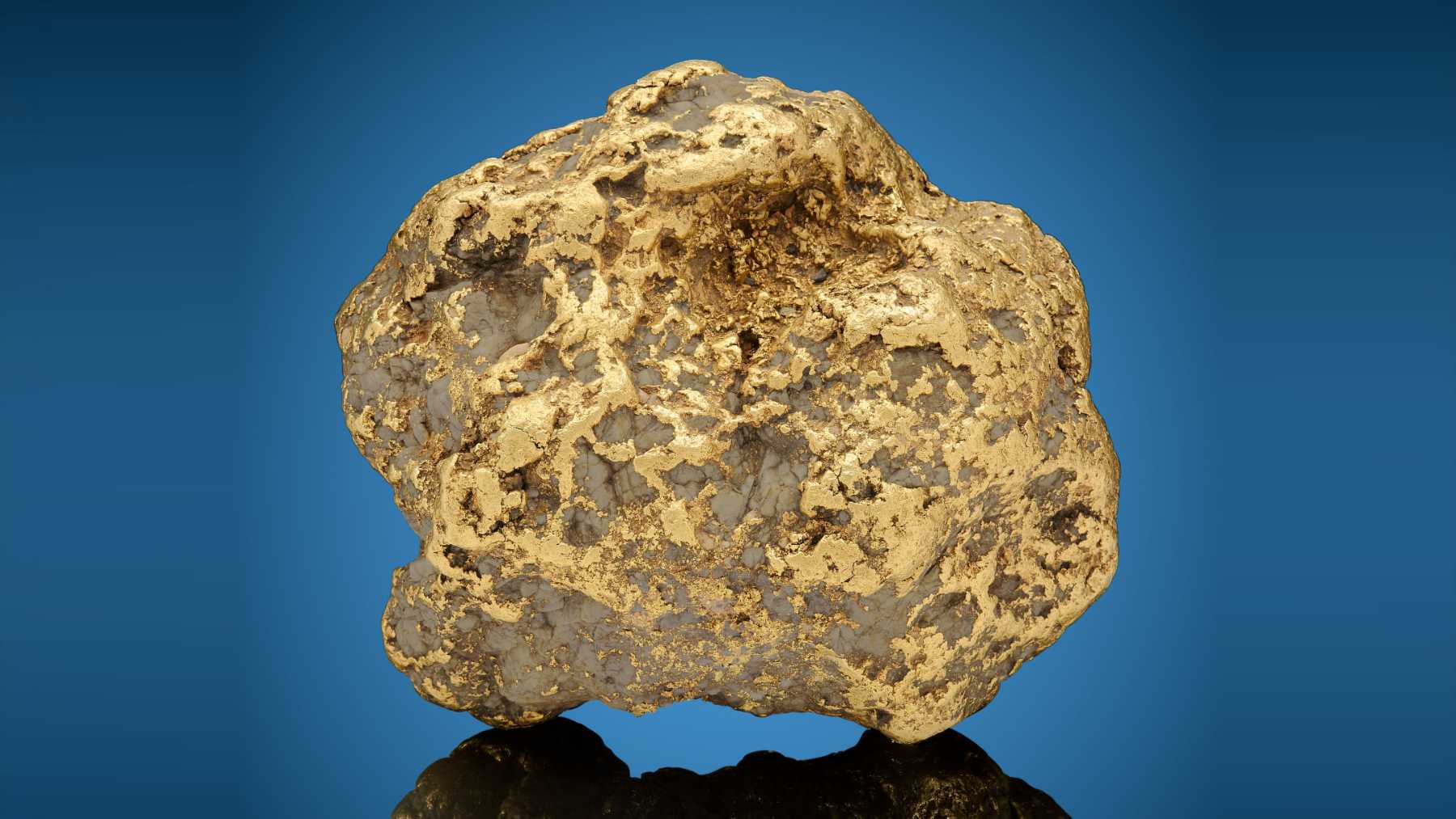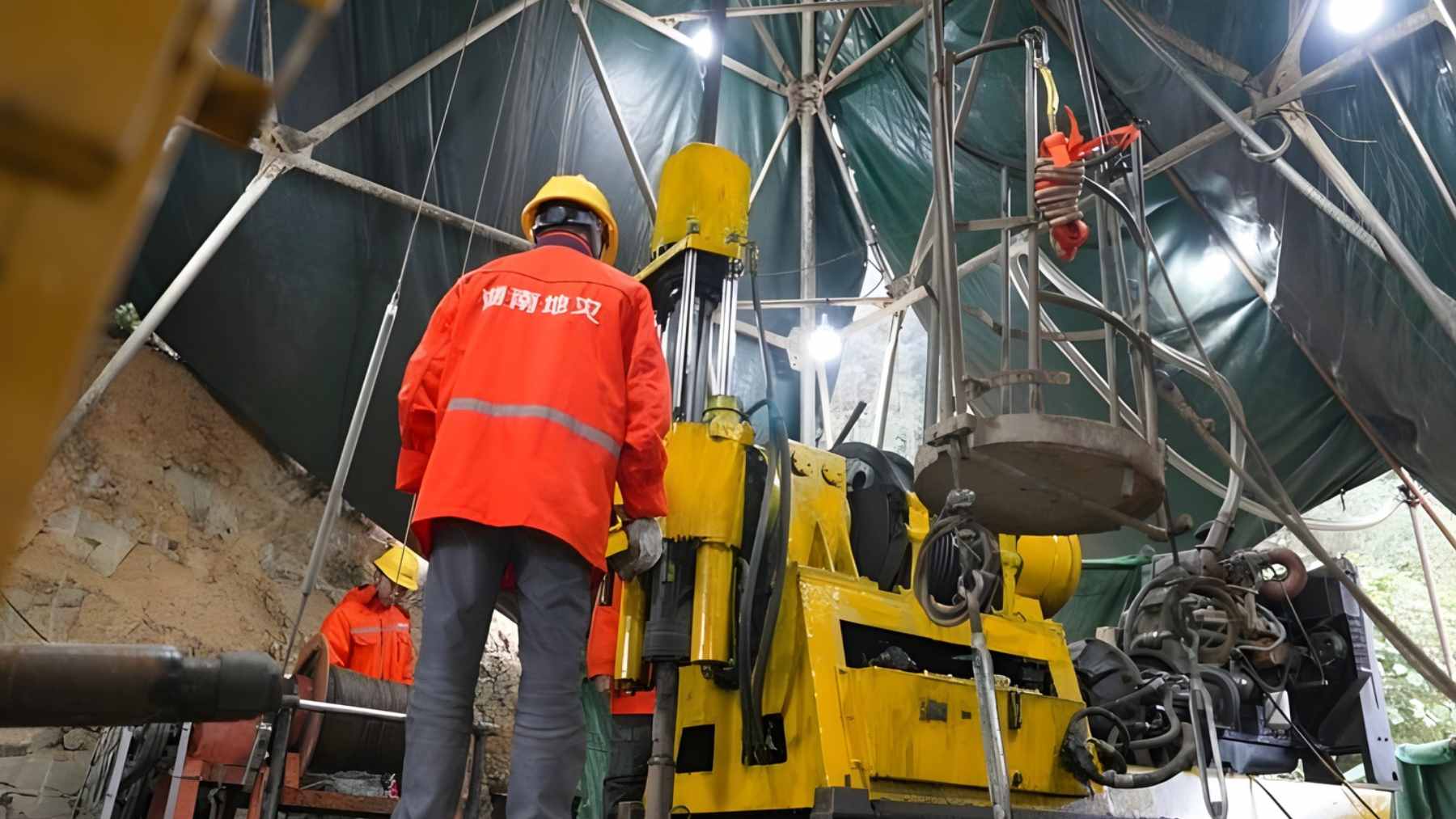
Far below the mountains of central China, geologists say they have found one of the largest known gold reserves on Earth. The deposit lies under the Wangu gold field in Pingjiang County, Hunan Province, and early estimates put its value at about 600 billion yuan, roughly $85.9 billion.
What makes the discovery stand out is not only the amount of gold but also the depth and quality of the ore. If ongoing surveys confirm current figures, the find could reshape China’s gold industry and influence global markets that already track every twitch in the price of the metal.
A hidden treasure under Hunan
The Geological Bureau of Hunan Province reports that exploration teams have identified more than 40 gold-bearing veins at Wangu, at depths of around two thousand meters. Those veins are estimated to contain about 300 metric tons of gold that have already been formally counted as resources.
Deeper drilling toward 3,000 meters suggests the total reserve could exceed 1,000 metric tons, with officials valuing the metal at around 600 billion yuan. In simple terms, each gold vein is a long seam where hot fluids once flowed through cracks in the rock and left gold behind, far below the hills that people see at the surface.
How geologists mapped the buried gold
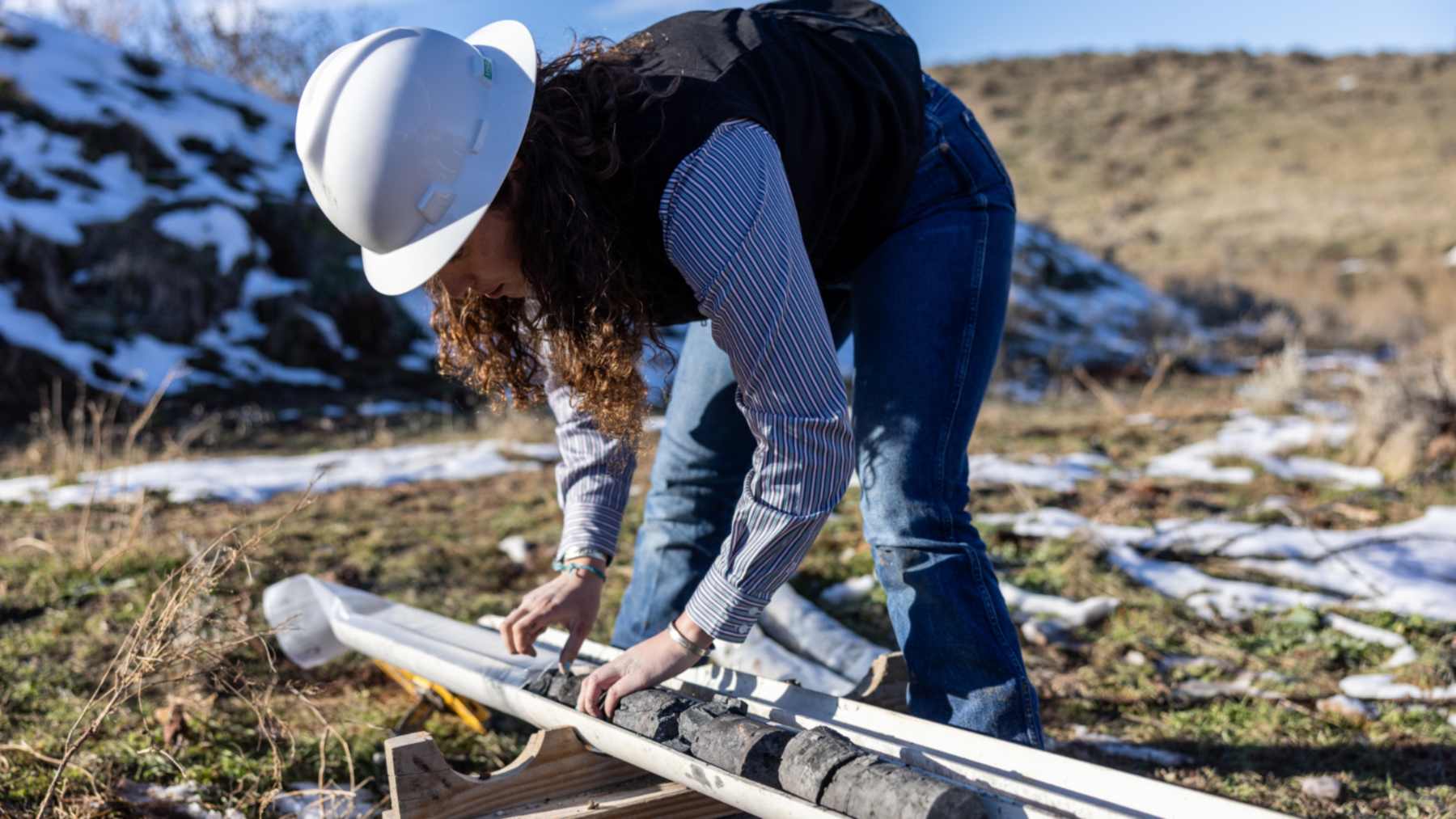
The deposit did not appear overnight. Exploration teams in Hunan combined classic drilling with three-dimensional geological modeling, using computers to turn scattered data points into a detailed underground map and guide rigs toward likely targets.
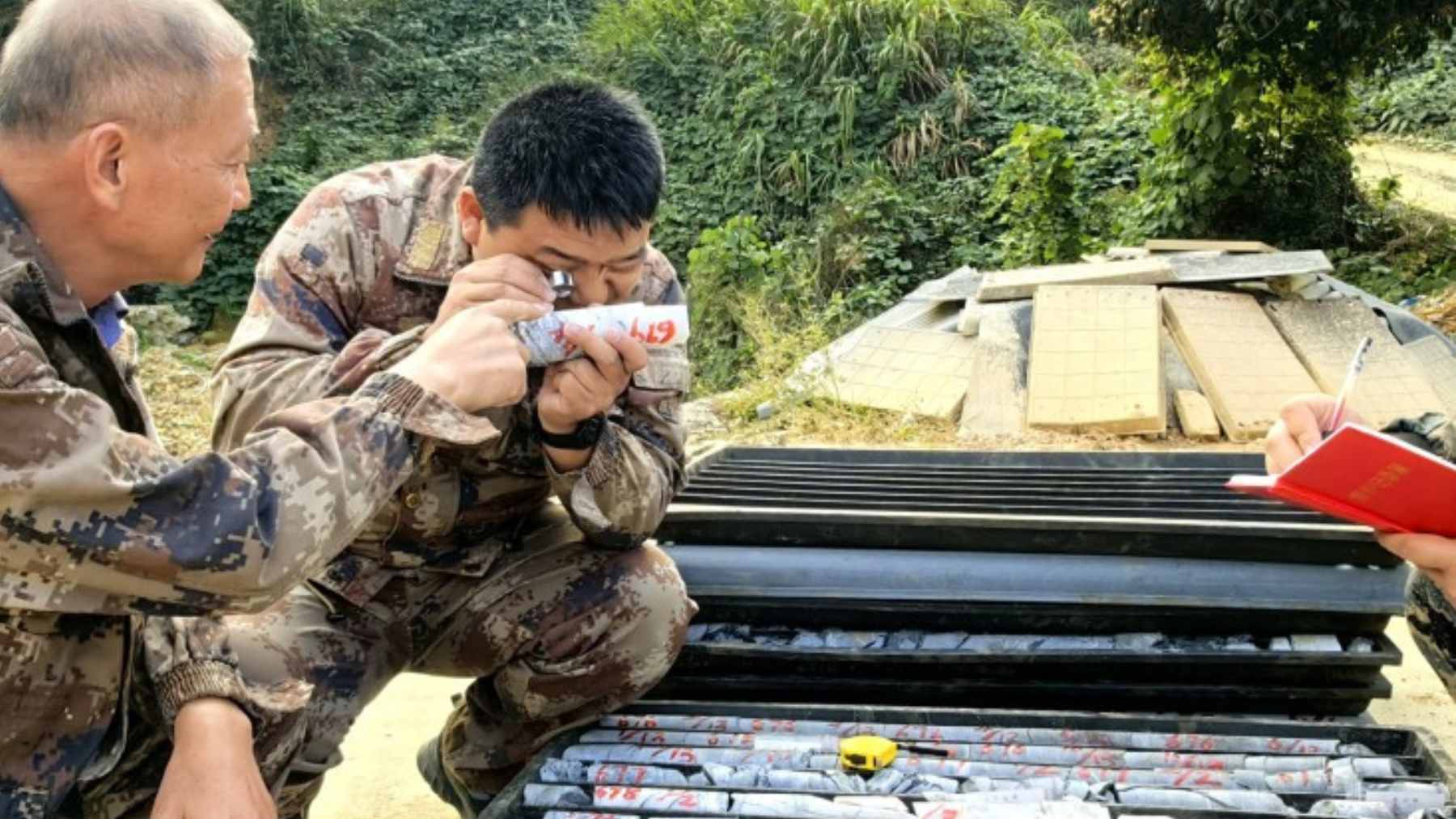
According to bureau official Liu Yongjun, these digital tools were crucial in pinpointing the richest zones instead of relying on trial and error. Ore prospecting expert Chen Rulin noted that “many drilled rock cores showed visible gold,” and some samples carried up to 138 grams of gold per metric ton of rock, far above the grades many mines work with.
A new heavyweight in global gold
If the deeper estimate holds, Wangu could challenge South Deep in South Africa, long seen as one of the world’s largest gold deposits with reserves around 900 metric tons. Some newer assessments even place South Deep closer to 870 metric tons, which would make the Hunan field look even larger by comparison.
China already ranks as the top producer of gold and one of the biggest consumers. In recent years it has mined roughly 370 metric tons per year while using close to 1,000 tons, a gap filled by imports for jewelry, savings bars, and industry.
Local economy, global questions
For Hunan itself the discovery could be a turning point. So what does a find like this really mean for everyday life? Building and operating a deep mine at Wangu would mean thousands of jobs, new transport links, and steady demand for power and equipment, benefits that reach from local restaurants to national construction firms.
People who think of gold as wedding rings, earrings, or investment coins rarely picture the heavy machinery and long underground shifts behind those products. Yet a project of this scale also raises concerns about land subsidence, water pollution, and waste rock, so experts are already calling for careful feasibility studies and strict safeguards before full-scale extraction begins.
What happens next at the Wangu gold field?
Chinese authorities have only confirmed the shallower portion of the resource so far, and the headline figure above 1,000 metric tons still rests on models that will be tested by further drilling. Some scientific outlets have cautioned that talk of the “largest gold deposit on Earth” may be premature until more independent checks are complete.
Even so, the Wangu find shows how fast mineral exploration is changing as three-dimensional models, deeper drill rigs, and more sensitive sensors reveal resources that once seemed out of reach. For anyone who follows gold prices or simply wonders where the metal in a piece of jewelry comes from, this buried trove offers a glimpse into the global gold trade.
The official press release has been published on Xinhua.