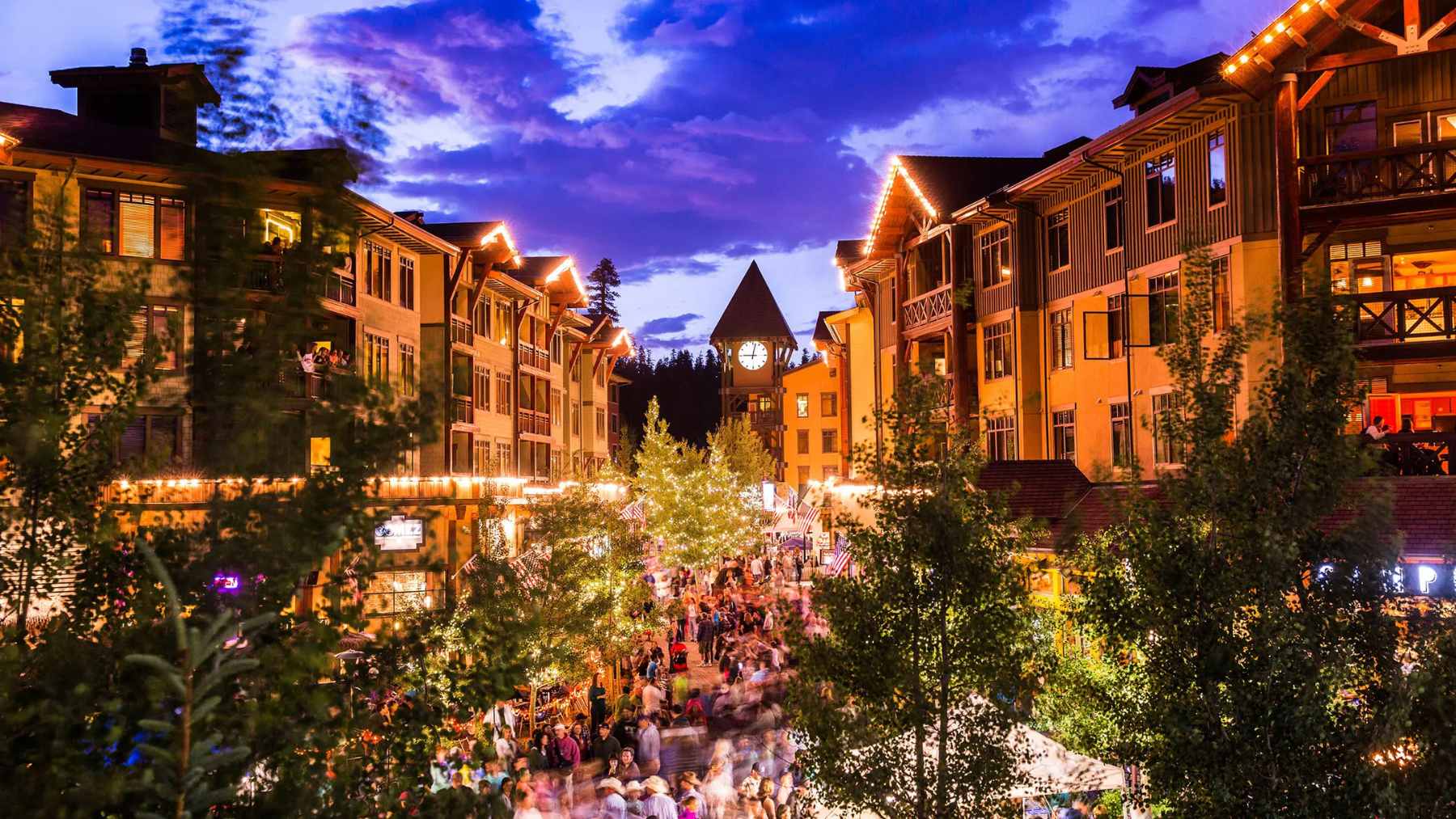
In one of California’s postcard mountain regions, the air has suddenly turned from crisp to concerning. On January 11, AirNow maps from the US Environmental Protection Agency showed fine-particle pollution reaching an “unhealthy” level around Mammoth Lakes, Whitmore Hot Springs, and Mono Hot Springs, leading authorities to urge thousands of residents to stay inside.
At this red “unhealthy” range on the Air Quality Index, health agencies warn that some people in the general population may feel effects, while older adults, children, and people with heart or lung disease face a much higher risk. Official guidance tells sensitive groups to “avoid all long or intense outdoor activities” and advises everyone else to cut back strenuous time outside and take more breaks.
The culprit is PM2.5, a mix of tiny particles no wider than 2.5 micrometers. They are far smaller than a human hair and can slip deep into the lungs and even enter the bloodstream.
EPA assessments link long and repeated exposure to these fine particles with asthma attacks, reduced lung function, heart attacks, irregular heartbeat, and premature death, especially for vulnerable people.
This Sierra Nevada alert is part of a wider pattern. The American Lung Association reports that tens of millions of Americans now live in counties that fail at least one national air quality standard for soot or smog, while federal scientists warn that climate change is likely to worsen air quality in many regions through more heat, stagnant air, and smoke filled skies.
So what can families actually do on days like this, besides worry about the electric bill and cancel a morning jog? Public health agencies recommend checking local AQI before outdoor plans, closing windows, running air conditioning on recirculation when possible, using high efficiency or HEPA filters, and creating a cleaner air room indoors while avoiding extra indoor pollution from candles, frying, or wood burning.
At the end of the day, that color block on the AQI map is becoming another everyday signal to plan around, especially for the most fragile lungs and hearts at home.
The official statement was published on AirNow.gov.
Image credit: MammothMountain.com