A new global study has put a date on one of the most unsettling ideas of the climate era. So called “Day Zero Drought” events, when water demand in a region overtakes what rain, rivers, and reservoirs can supply, could start appearing in key hotspots as early as the 2020s and 2030s. By the end of this century, nearly three quarters of drought-prone land areas may face similar extreme water scarcity if emissions stay high.
If Cape Town in 2018 and Chennai in 2019 felt like close calls when taps nearly ran dry, scientists now say those were previews rather than outliers. The new research shows that long dry spells, shrinking river flows, and rising water use are increasingly lining up at the same time. That is the recipe for what the authors call “Day Zero Drought” or DZD.
What Day Zero Drought really means
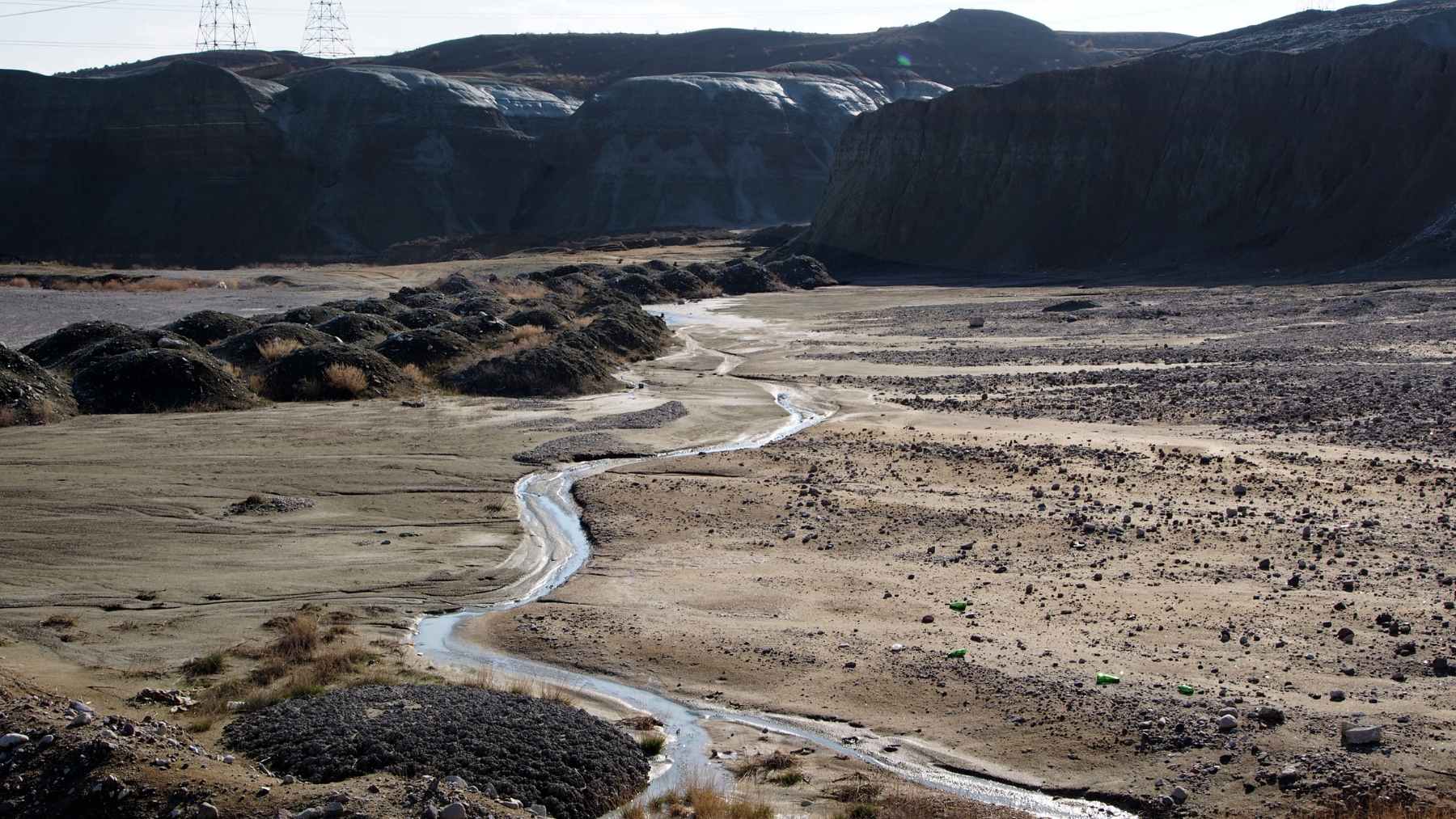
In everyday language, people talk about drought when it stops raining. This study goes further. DZD is defined as a multi-year episode in which four things happen together for roughly four years at a time. Rainfall stays well below normal. Heat pulls more moisture back into the air. Rivers run unusually low. Human water use keeps climbing until it overwhelms that shrinking supply, draining reservoirs toward critical levels.
To find out when such crises become clearly human-driven rather than natural bad luck, the team used large ensembles of climate model simulations under high and moderate emission scenarios. They calculated a “Time of First Emergence” for each region, the first decade when there is at least a 99% chance that a DZD event would not have happened without human-caused warming. In many places, that red line is crossed within the next one or two decades.
Hotspots and who is most exposed
Across all model runs, consistent hotspots appear in the Mediterranean basin, southern Africa, western parts of the United States, northern China, India, northern Africa, and southern Australia. These are places that already feel stretched during hot, dry summers, when lawn sprinklers compete with farms and power plants for the same rivers and reservoirs.
According to the simulations, DZD conditions could emerge in about 35% of vulnerable regions between now and the early 2030s. By the end of the century, roughly 750 million people may live in areas where Day Zero Drought becomes a real risk, including close to 470 million city residents and about 290 million people in rural communities.
At around 1.5 degrees of global warming above pre-industrial levels, the analysis suggests that nearly 488 million people could already be exposed, of whom about 322 million live in cities and 166 million in the countryside. As lead author Vecchia Ravinandrasana puts it, “Even if we meet the 1.5 degree target, hundreds of millions of people will still face unprecedented water shortages.”
Long droughts, short breaks
The study does not only ask when the first Day Zero Drought arrives. It also looks at how long these events last and how much breathing room there is before the next one. In many hotspot regions, model runs show DZD episodes that can stretch beyond four years. The gaps between them are often shorter than the dry spells themselves.
In practical terms, that means water systems, soils, and economies never really get a full reset. Reservoirs may refill a little, farmers may plant another round of crops, households may relax emergency rules on showers and garden hoses. Then the next multi-year dry period arrives before the previous damage has healed.
Reservoirs, a safety net that can fail
One striking finding concerns big dams. The authors estimate that about 14% of major reservoirs could dry far below their usual operating levels during their first Day Zero Drought. As co-author Christian Franzke explains, “According to our calculations, 14% of major water reservoirs could dry out during their first Day Zero Drought events.”
To a large extent, that is because reservoirs encourage higher use in normal years. More storage gives cities, farms, and industries confidence to pump more, right up until a string of very dry years arrives. When those years are amplified by climate change, the extra consumption turns into vulnerability.
What can be done now?
The authors are clear that these projections come with uncertainties. They do not yet include groundwater dynamics, and different climate models place the earliest Day Zero dates slightly differently. Even so, the overall picture points in the same direction. Hotter conditions and higher demand are pushing many regions toward water limits faster than past planning assumed.
That is why the study calls for more proactive water strategies rather than waiting for emergency trucks and last minute restrictions. Examples include repairing leaky urban networks, reusing treated wastewater, protecting upstream ecosystems that store water in soils and wetlands, and rethinking how reservoirs are operated so that they are not run down too quickly during long dry spells.
For households, the story touches daily life in simple ways. Efficient appliances, shorter showers, less food waste, and support for local water saving policies will not solve the global problem on their own. Yet they help align personal habits with what scientists now see in the data. At the end of the day, a stable water bill and a reliable stream from the tap both depend on decisions made long before a city hits the headlines for counting the days until its own Day Zero.
The study was published in Nature Communications.