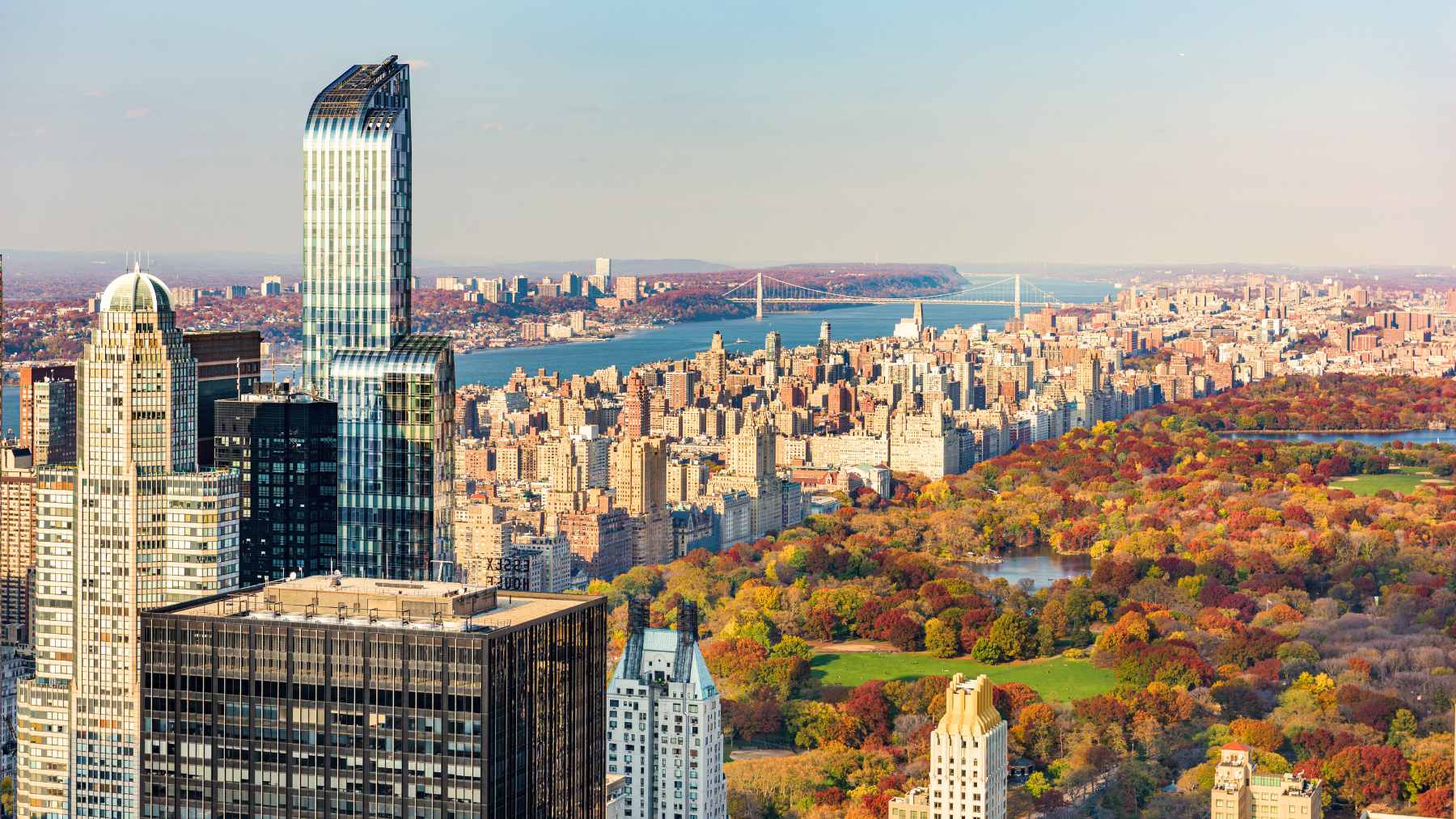
New York City has put a big number on unhealthy housing. A $2.1 million settlement with major landlord A and E Real Estate now requires the company to fix more than four thousand building violations and stop tenant harassment across fourteen buildings in Brooklyn, Manhattan, and Queens.
On the surface, it sounds like a legal story. In reality, it is about the air people breathe in their bedrooms, the mold creeping up bathroom walls, and the winter nights when the radiator stays stubbornly cold. City officials estimate that roughly 750 tenants have been living with hazardous conditions that would make any health professional wince.
So what does a housing lawsuit have to do with the environment? Quite a lot.
When your home becomes a health hazard
According to the official announcement, years of neglect in A and E buildings left residents facing crumbling ceilings, broken elevators, and even termites eating through the walls. One Queens council member summed it up bluntly, saying that A and E’s greed had left New Yorkers without working elevators and with bathroom ceilings falling apart.
This is not just about comfort. Damp and moldy interiors are closely linked to a long list of health problems. Research compiled by the United States Centers for Disease Control and Prevention shows that people who spend time in damp buildings report more respiratory symptoms, infections, and worsening asthma, along with allergic rhinitis and eczema.
In plain language, that spot of mold behind the wardrobe is not just ugly. It can trigger coughing in a child with asthma, irritate the lungs of an older neighbor, and keep entire families stuck in a cycle of sickness and medication. The longer the dampness persists, the more stubborn those health effects can become.
Heat and hot water tell a similar story. Studies on indoor temperatures find that cold homes raise the risk of respiratory and cardiovascular disease, especially when indoor temperatures drop below the mid sixties in Fahrenheit. For a tenant already juggling the electric bill and grocery costs, an apartment that never really warms up during a cold snap is more than an annoyance. It can become a matter of life and death.
Four thousand violations in everyday terms
The city’s settlement is more than a fine. A and E must correct over four thousand building code violations and faces court oversight if it fails to follow through. Over the course of the lawsuit, more than one thousand violations have already been fixed, and the housing department had to step in with almost $488,000 in emergency repairs for the most dangerous problems.
What do those violations look like on an ordinary day? Tenants have reported elevators that stayed out of service for months, effectively trapping older residents on upper floors during summer heat waves. Others described long battles to get basic leaks repaired before ceilings gave way.
Termites may sound like a minor nuisance, but repeated infestations can weaken beams, walls, and floors, raising the risk of structural failure. Pest control experts warn that unchecked termite damage can lead to sagging ceilings, unsafe floors, and expensive reconstruction, while the moisture that attracts termites in the first place encourages even more mold growth.
Put together, this is not simply bad management. It is an indoor environmental crisis that plays out in stairwells, boiler rooms, and children’s bedrooms.
Housing as environmental justice
Global health agencies have been sounding the alarm on poor housing for years. The World Health Organization notes that improved housing conditions can save lives, prevent disease, and even help mitigate climate change, since better buildings usually mean better energy efficiency.
Many of the apartments covered by the A and E settlement are rent stabilized. That often means long-term residents, low- and moderate-income families, and people who cannot simply pack up and move when ceilings start to crack or radiators go silent. Environmental problems that might be an annoyance in a luxury condo become a serious injustice in a building where tenants have nowhere else to go.
Mayor Zohran Mamdani framed the settlement in exactly those terms, stating that every tenant in New York City has a right to a safe and livable home and that his administration will use enforcement as one of many tools to tackle the housing crisis. The city’s Anti-Harassment Unit now has a high-profile example of how legal pressure can force large landlords to invest in healthier buildings.
What this means beyond New York
At the end of the day, this case is a reminder that climate and health debates do not only live in international conferences. They also live in the hallway where the ceiling leaks after every storm and in the bedroom where a child listens to space heaters hum through a January night.
For city governments, the message is clear. Strong enforcement of housing codes can double as environmental and public health policy. For landlords, ignoring mold, pests, and broken heating systems is no longer just a cost of doing business. It is a liability that can lead to multi-million-dollar settlements and public scrutiny.
And for tenants, the story shows that complaints, organizing, and documentation can help turn invisible suffering into concrete obligations for repair. When a city treats housing as part of its environmental agenda, the benefits reach far beyond one landlord or one neighborhood.
The official statement was published by the NYC Mayor’s Office.