Picture a herd of massive dinosaurs or woolly mammoths thundering across the landscape at high speed. Could a giant dinosaur outrun you? A new international study suggests many of them were far from the high-speed giants we see in movies, moving at speeds closer to a fast human walk than to a sprint.
Using updated math and real speed data from living elephants, scientists recalculated how fast giant sauropod dinosaurs , mastodons, and mammoths could move. Their results show that once an animal weighs more than about one hundred kilograms, its top speed drops steadily as body size grows, leaving even the biggest dinosaurs and mammoths well below twenty kilometers per hour.
How scientists reworked prehistoric speed
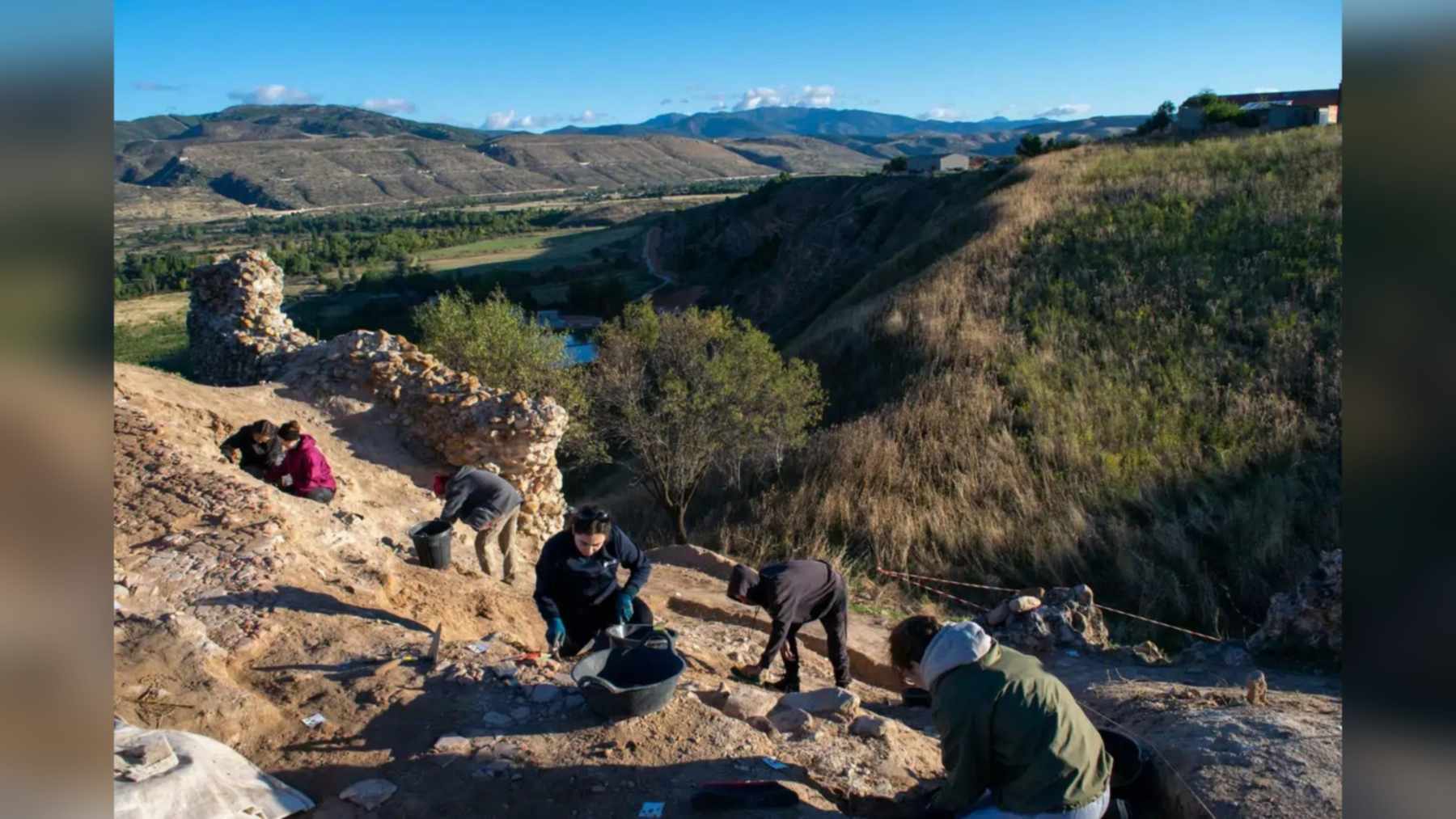
In the new research, summarized in a press release from the University of Granada, geophysicist Javier Ruiz and archaeologist Juan Manuel Jiménez Arenas worked with colleagues at Complutense University of Madrid, the University of Queensland, and the University of Helsinki to study how body mass and speed are linked in heavy animals. They focused on so-called graviportal animals, creatures with straight, column-like legs built to carry great weight.
For years, paleontologists relied on general formulas that mixed many different types of animals in the same equation, from insects to fast-running mammals. That approach systematically overestimated how fast very heavy creatures could move, in some cases giving elephants top speeds about 70% higher than measured in real life.
To fix that problem, the researchers built new models using only measured speeds from dozens of living elephants running and walking under controlled conditions. Because elephants are the closest living stand ins for extinct proboscideans, the researchers treated these curves as realistic upper limits for how fast such giants could move.
What the numbers say for mammoths
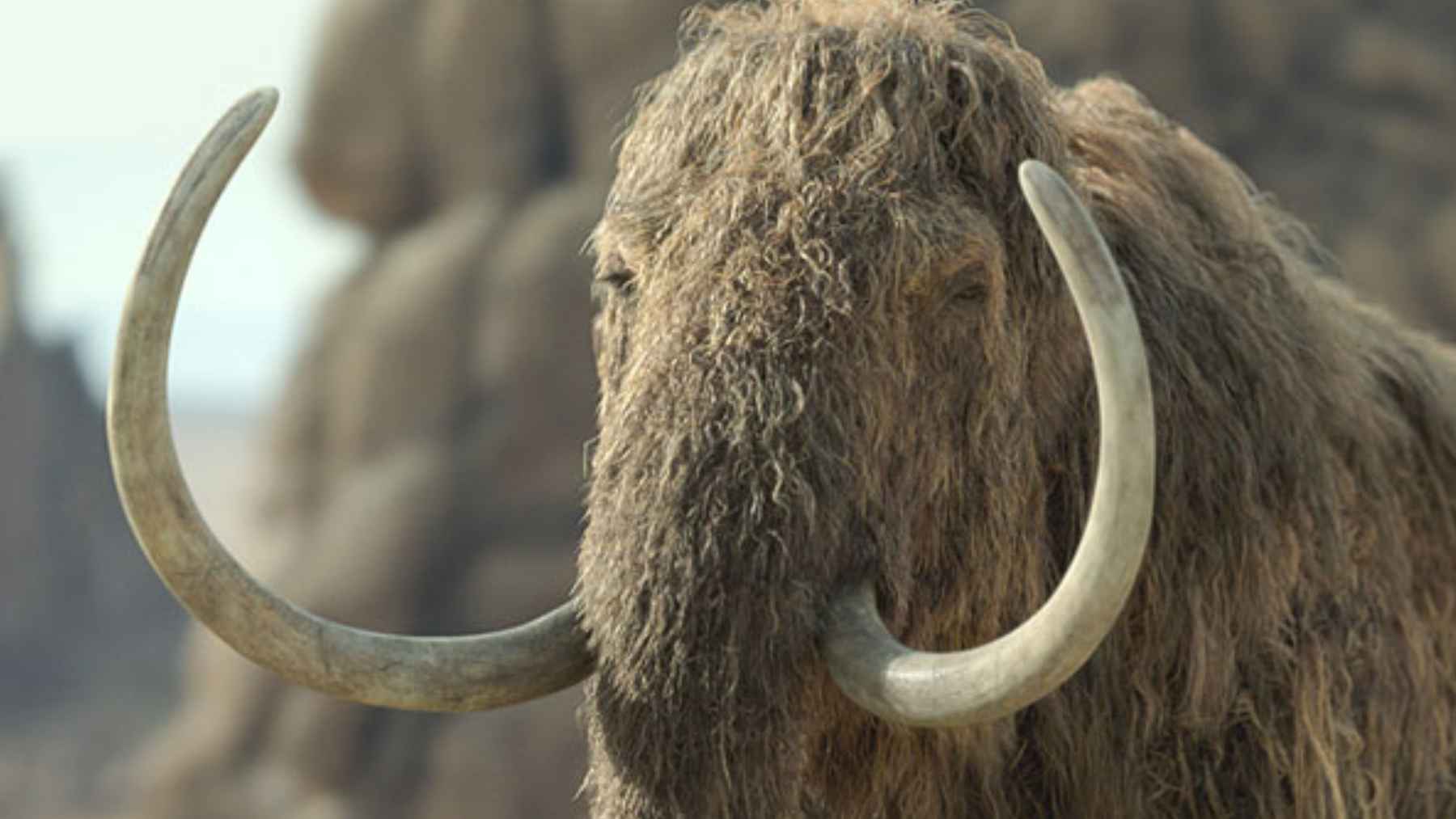
With the updated math, a woolly mammoth that weighed around six metric tons would have topped out at just over twenty kilometers per hour. That makes it the fastest extinct proboscidean in the sample, while the massive Mammut borsoni, which could reach about sixteen tons, would barely have passed fifteen kilometers per hour at full stretch.
Even Mammuthus meridionalis, a southern mammoth that shared the landscape with some of the first humans in western Eurasia, likely peaked near eighteen kilometers per hour. For the most part, these values sit close to or even below the speeds humans can hit during serious athletic walking, which would have shaped how the animals migrated, how they escaped predators, and how ancient hunters tracked them across open ground.
Slow-motion giants among the dinosaurs
The results are even more striking for giant sauropod dinosaurs. Argentinosaurus huinculensis, one of the heaviest land animals ever known at roughly seventy five tons, likely could not exceed ten kilometers per hour even during its fastest burst. In Europe, Turiasaurus riodevensis from the Spanish province of Teruel, with an estimated body mass near forty two tons, probably reached no more than about 11.8 kilometers per hour.
Lighter sauropods in the study stayed below twenty kilometers per hour, which points to a life built around steady, energy-saving walking rather than quick dashes. The authors note that these huge dinosaurs had graviportal, column-like legs that prioritized weight support over speed, and trackway evidence from titanosaur footprints, which often record walking speeds under five kilometers per hour, fits that picture of slow but persistent motion across ancient plains.
Rethinking how prehistoric giants lived
These revised speeds force scientists to rethink the daily lives of large prehistoric animals. Earlier reconstructions often pictured sauropods fleeing quickly from predators or mammoth herds racing across the steppe, but the new work points to long-distance travel at modest speeds.
The team stresses that their calculations are upper limits, not precise speedometers for each species, and that real animals probably moved somewhat slower on average. As the authors write, their results “do not pretend to be a definitive conclusion on the athletic capability of large proboscideans or sauropods” but instead give realistic ceilings that future studies can refine.
The main study has been published in Scientific Reports.