If you’ve ever tried to hang a picture in a rental, you know the routine. Measure twice, drill once, sweep up dust, then later patch the hole and hope the paint matches.
Now a 29-year-old inventor from Argentina is betting that this “tiny home headache” can be engineered away. His prototype material, nicknamed Ironplac, aims to make finished walls act like magnetic surfaces so objects can be mounted and moved without screws, nails, or constant repairs.
A magnetic cement from Argentina
The idea comes from Marco Agustín Secchi, a 29-year-old Argentine student described in local reporting as working in industrial engineering and industrial design. He calls the system Ironplac, and he says it’s designed to be integrated into cement-based finishes, wall panels, and coatings.
In demonstrations shared through media coverage, Secchi shows everyday items held in place by magnets, including tools and kitchen utensils. In one interview, he summed up the appeal simply, saying you can “configure the walls to your style” without damaging the space you live in.
This is still a work in progress, not a retail product. Reports describe functional prototypes, pilot-style installations, and a search for funding and industrial partners to scale manufacturing and testing.
How a passive magnetic wall holds objects
The first thing to know is what Ironplac is not. It is not an “active” magnet and it does not need electricity, because the wall is meant to behave as a passive, ferromagnetic surface that responds only when an external magnet is brought close.
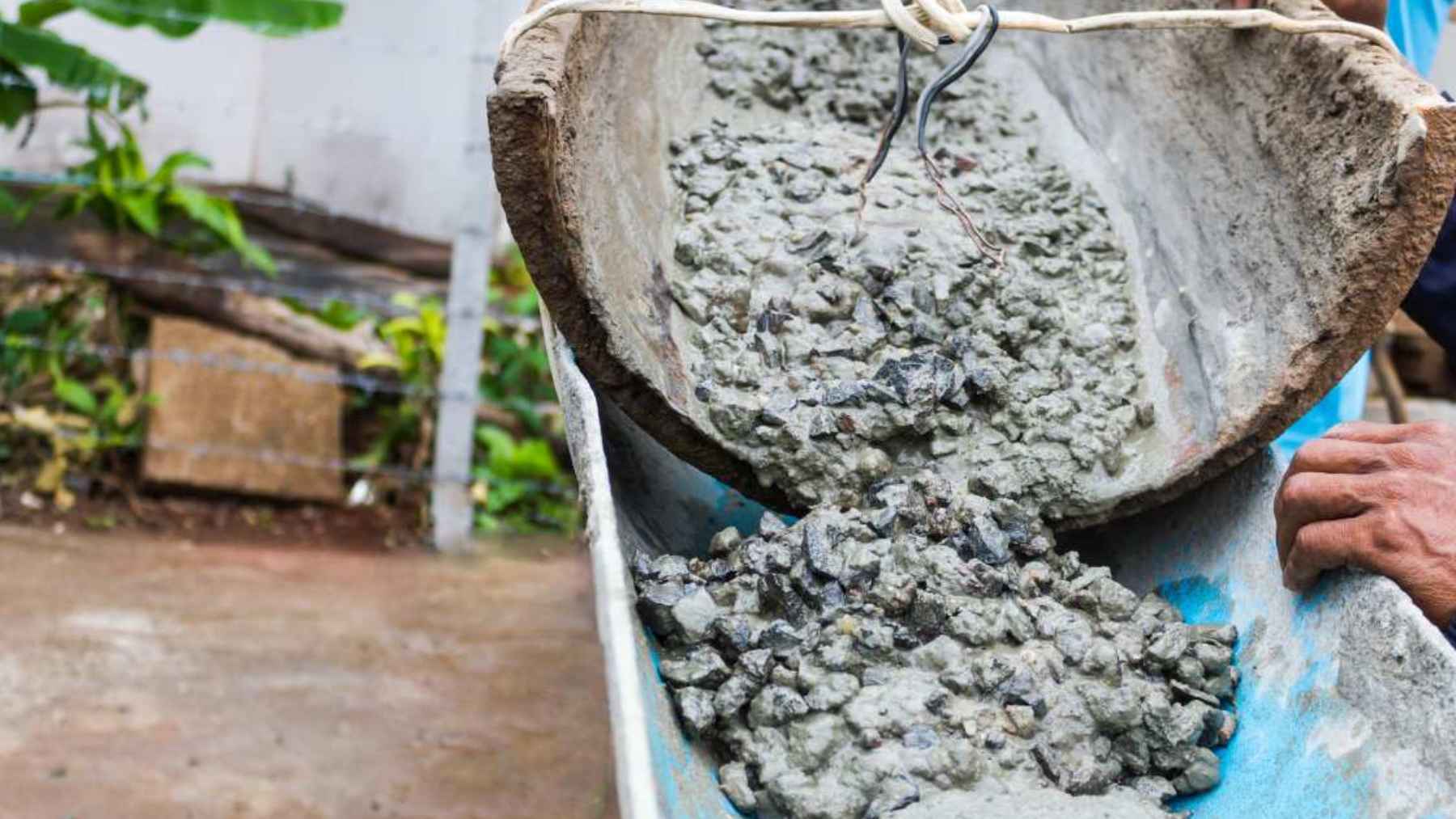
In wet construction work, the concept is aimed at the finish layer, similar to a final plaster coat. Secchi has described it as coming in a ready bag that you mix with water and apply like a standard finishing render, with the difference being added mineral and iron-based components that allow magnets to grip.
In dry construction, reporting describes tests with magnetizable gypsum boards and other panel-style approaches. In practical terms, the wall becomes a “magnetic bulletin board,” and the object needs a magnet attached so you can slide it around instead of committing to one drilled location forever.
A small interior tweak with a huge waste backdrop
So why does a hole-free wall matter beyond convenience? Because the built environment is a waste machine, and a surprising amount of it comes from renovation, demolition, and constant reworking of spaces.
In the United States, the Environmental Protection Agency estimated that 600 million tons of construction and demolition debris were generated in 2018, more than twice the amount of municipal solid waste generated that year. EPA also notes demolition accounts for more than 90 percent of that total.
A single apartment makeover may not feel like part of that mountain of debris, but multiply “small repairs” across millions of homes, offices, classrooms, and retail spaces and the pattern starts to show. Less drilling can mean fewer anchors, fewer patched areas, and fewer repaint cycles, especially in places where layouts change constantly.
And this is not just a U.S. issue. The European Commission notes that construction and demolition waste accounts for more than a third of all waste generated in the EU, which is exactly why “designing for reuse” has become such a big policy focus.
The climate elephant is still cement
There’s another reality check, though. Cement itself is one of the world’s biggest climate problems, and any innovation that uses cement needs to be honest about that.
The International Energy Agency has highlighted that cement is a major industrial emitter, responsible for about 7 percent of global CO2 emissions. That share comes from both the heat needed in kilns and the chemistry of turning limestone into clinker. (iea.org)
Zoom out further and the scale is even clearer. UNEP’s reporting on the buildings and construction sector says that in 2022 it accounted for 37 percent of global operational energy and process-related CO2 emissions, rising to just under 10 gigatonnes of CO2, which is roughly 11 billion tons of CO2.
So Ironplac’s climate value will likely depend on details we do not yet have. The key question is whether it meaningfully extends the life of interior finishes and reduces renovation churn, and whether it can be produced with lower-carbon binders or mixes without creating new end-of-life headaches.
What needs to be proven before Ironplac reaches stores
Viral demos are one thing, and building products are another. Any magnetizable wall coating will need clear load limits, durability data, and safety guidance, including performance under humidity, repeated cleaning, repainting, and the normal knocks of daily life.
The reporting around Ironplac suggests Secchi is already thinking in those terms. He has publicly pointed to open questions like service life, costs, and how the system would fit with construction standards, which is usually where promising prototypes either mature or stall out.
There is also the intellectual property path. Multiple reports say the formula is being kept confidential while the project advances through the international PCT patent route, which is designed to let innovators seek patent protection across multiple countries through a single filing process.
The official data summary was published on the U.S. Environmental Protection Agency website.”