A simple mix of baking soda and hydrogen peroxide is turning up on cleaning blogs, with fans saying it can whiten stained grout in about fifteen minutes. The homemade paste uses cheap products from the drugstore and supermarket.
Guides present the combo as a first attempt before buying industrial grout cleaners or paying for replacement. How many users remember that results depend on stain age and that the mixture needs careful use?
What is in the viral grout whitening mixture
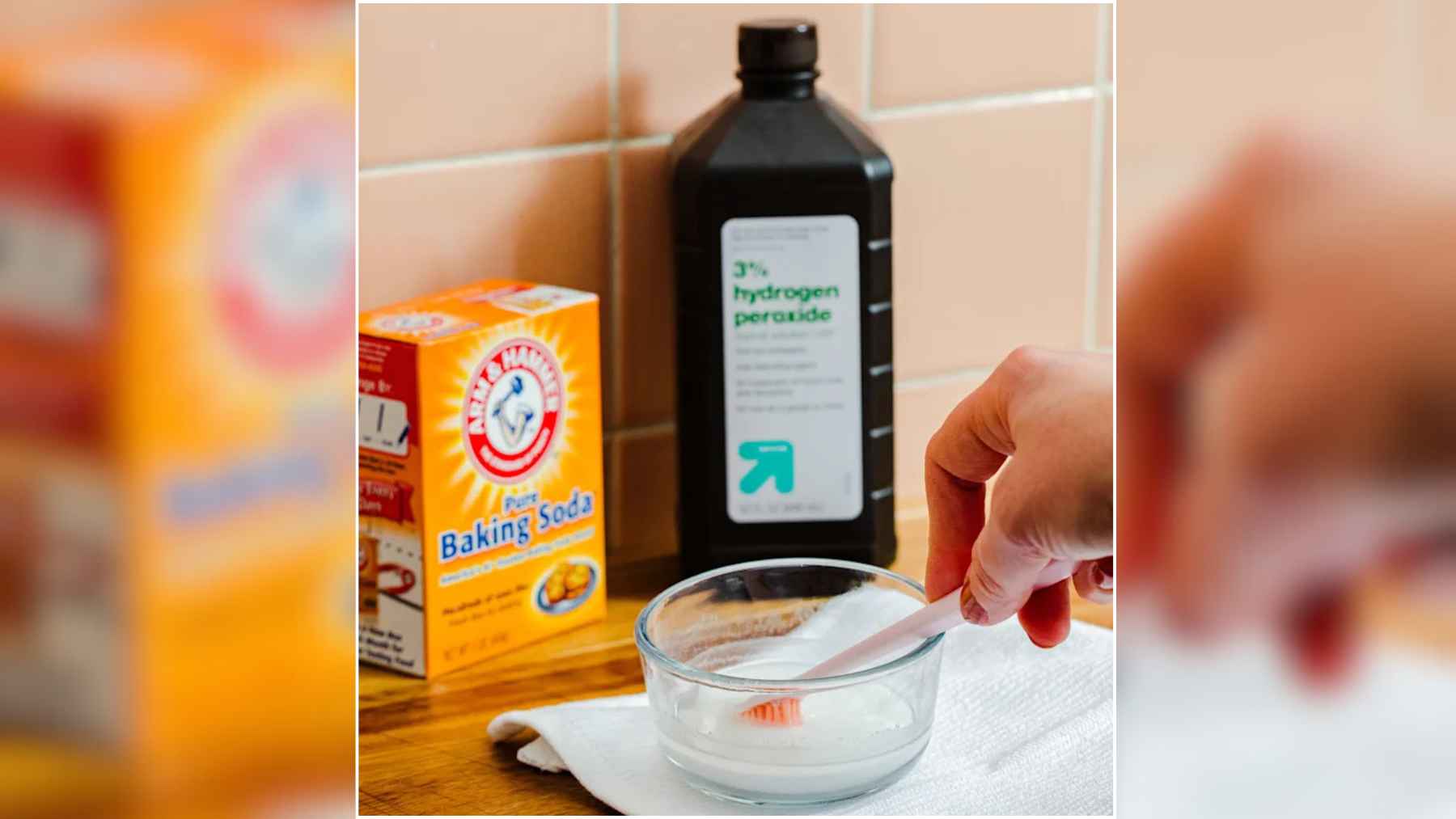
The recipe centers on sodium bicarbonate, better known as baking soda, and hydrogen peroxide sold in pharmacies for cosmetic use. Tutorials usually mention ten volume or forty volume peroxide, which are common strengths on hair care shelves and easy to find.
Most guides simply tell readers to blend the powder and liquid until a firm paste forms on the grout lines in bathrooms or kitchens. Some use one part baking soda to two parts forty volume peroxide, while others reverse the ratio with ten volume peroxide for a thicker mix.
Instructions usually suggest preparing only the amount needed for immediate use because hydrogen peroxide gradually loses effectiveness once opened. Some recipes add a little neutral detergent to help spread the paste, yet the whitening effect is attributed mainly to the two core ingredients.
How tutorials tell people to apply it
Step-by-step instructions start with basic cleaning so that loose dust and surface grime are removed from the tiles. Only after that do they recommend spreading the baking soda and hydrogen peroxide paste directly along the grout lines in bathrooms or kitchens.
In many guides that talk about a result “in fifteen minutes”, the paste is left on the grout for roughly that time before any scrubbing begins. Others suggest a shorter pause of five to ten minutes, particularly when a lower-volume hydrogen peroxide solution is used.
After the wait, users scrub with a toothbrush, narrow brush, or small sponge until the dirt begins to lift. Finally they rinse with clean water, remove any residue with a little neutral detergent, and dry the surface with a cloth to see the true grout color.
Using it on black mold and old grout
Consumer materials describe hydrogen peroxide as the liquid that lightens the dark surface of mold on grout, while baking soda acts as a mild abrasive that helps the brush loosen grime and fungal residue. Results depend on how intense the mold is, how often cleaning is done, and whether the room has decent ventilation and light.
These guides admit that when stains are very deep or old, the paste usually brings only partial lightening rather than a complete return to the original shade. Structural issues such as cracked, missing, or loose grout still require repair rather than any homemade treatment.
Safety tips and product combinations to avoid
The same blogs and service sites that praise this homemade cleaner also list clear limits and precautions for its use. Dark porcelain tiles, some natural stones, and decorative finishes appear often as surfaces that may change color when exposed to strong hydrogen peroxide solutions.
Because of that risk, the recurring advice is to test the mixture first on a small hidden area before treating an entire wall or floor. Newly applied grout is another concern because it is still curing and can be more vulnerable if scrubbed too hard or exposed to unsuitable products.
Safety tips from companies and cleaning blogs include wearing protective gloves and working in well-ventilated rooms.
They also repeat warnings from public agencies and manufacturers that hydrogen peroxide should not be mixed with vinegar, since that mix can form corrosive peracetic acid, and that bleach should never be combined with other sanitizing agents, including hydrogen peroxide, because of the risk of toxic gases.
Anvisa, the Brazilian Health Regulatory Agency, reminds consumers that even familiar products can generate harmful compounds if combined without guidance and protection. The agency recommends reading labels carefully and following directions before trying any homemade cleaning recipe.
The main consumer safety guidance on this type of homemade mixture has been published by Anvisa, the Brazilian Health Regulatory Agency.