Across Southern California’s deserts, Joshua trees are blooming months ahead of schedule and scientists worry that their one and only pollinator may not be ready. Instead of waiting for their usual late winter flowering season, many trees put out big clusters of creamy blossoms in late October and November.
Researchers at California State University, Northridge say this surprise “bonus bloom” has been underway since about mid November, right after strong rainstorms rolled through the region.
In a normal year, each Joshua tree follows a tight reproductive script. Branches bloom, specialized yucca moths arrive to pollinate, fruits form, and finally rodents chew the fallen pods and spread the seeds. The whole process depends on timing, right down to when moth larvae gnaw their way out of the fruit and drop into the soil to wait for the next flowering season.
A desert partnership on a knife edge
Biologist Jeremy Yoder has spent years studying this partnership between tree and moth. The insects are so specialized that scientists have not found any other reliable pollinator for Joshua trees.
Adult moths lay their eggs inside the flowers and deliberately pack pollen so that developing seeds will later feed their young. After the larvae finish eating a small share of the seeds, they pupate underground and can stay there for months or even years until the next bloom.
Why are the trees jumping the gun this time? Yoder and his team suspect that an unusually wet early winter played a big role. Lancaster in the western Mojave Desert has already logged roughly two and a half inches more rain than normal for the season, and similar storms have soaked other desert valleys.
Their earlier work showed that Joshua trees are more likely to flower in years when a wet spell follows a dry one, so a burst of late year rain fits that pattern to a large extent. Something similar happened in 2018 around Joshua Tree National Park, but this season the odd bloom appears to stretch across much more of the desert.
Even so, scientists do not yet know what precise cue tells yucca moths that it is time to surface and seek flowers. In a recent university release, graduate researcher Kirsten Zornado explained that the moths likely use winter cold as part of their internal clock, staying buried in the soil between flowering seasons.
If trees bloom much earlier than usual after a big storm, the insects might not get the message. Yoder warns that if weird weather pushes flowers out months early while moths remain dormant, many blossoms could be “wasted.”
Climate change is already reshaping Joshua tree seasons
The bonus bloom is not happening in isolation. A 2024 study in the journal Ecology Letters used more than ten thousand crowd sourced images of Joshua trees from iNaturalist to reconstruct flowering patterns back to 1900.
The models suggested that the trees now flower a bit more often than they did a century ago, especially when a wet year follows a dry one and winter low temperatures stay above freezing. The same analysis cautioned that these shifts may reduce the survival of young seedlings that need steady moisture to establish.
Projections for habitat are sobering. Climate models show that large parts of the current range of Joshua trees could become unsuitable by the end of the century if greenhouse gas emissions remain high.
At the same time, recent wildfires in the Mojave have already killed an estimated 1.8 million trees in just two fire seasons. That means every successful crop of seeds matters for keeping future forests of these spiky icons on the landscape.
When timing breaks, so does reproduction
So what happens if this winter’s floral show goes mostly unpollinated? Without moths, the flowers do not set fruit and there are no seeds for rodents to spread. Yoder notes that frequent, mismatched blooms could drain the trees of energy, leaving them less resilient to drought or heat waves without adding new saplings to the population.
For now, scientists simply do not know whether the moths will turn up in enough numbers in the coming weeks to rescue this early bloom.
Your desert snapshots can fill the gaps
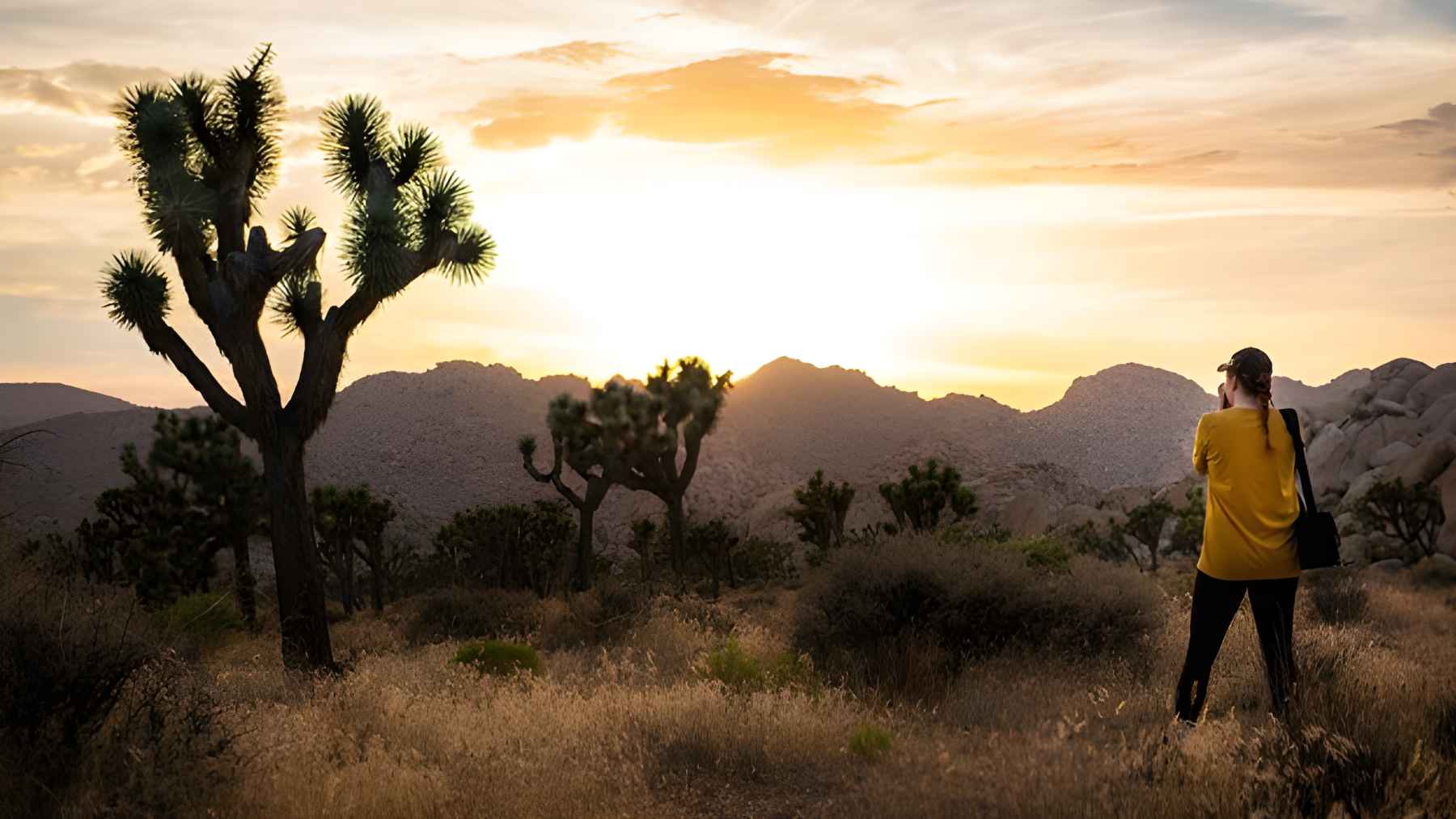
To answer that question, researchers are turning to ordinary people with smartphones. The Yoder Lab is asking anyone who lives in or visits the region around Joshua Tree National Park and other desert areas to photograph Joshua trees and upload the images to iNaturalist.
They are especially interested in repeat visits to the same tree so that they can see whether an early flush of flowers later turns into fruit. It is the kind of task that fits neatly into a weekend hike or a roadside stop on the way to Las Vegas.
Those photos feed into machine learning models that connect flowering and fruiting to weather conditions across the desert. Earlier work using this approach has already revealed that bigger swings in rainfall and warmer winters are altering the rhythm of Joshua tree reproduction.
Now, the same tools could show whether yucca moths keep pace with an increasingly erratic climate or start to fall behind. In a way, every snapshot is a tiny data point in the story of how desert life copes with a warming world.
For desert lovers planning a trip, the sight of flowering Joshua trees in mid winter may feel like a lucky bonus. Scientists see a warning light starting to blink. How this season plays out will help reveal whether one of the American Southwest’s most distinctive species can adapt to a climate that keeps moving the goalposts.
The press release was published by CSUN newsroom.