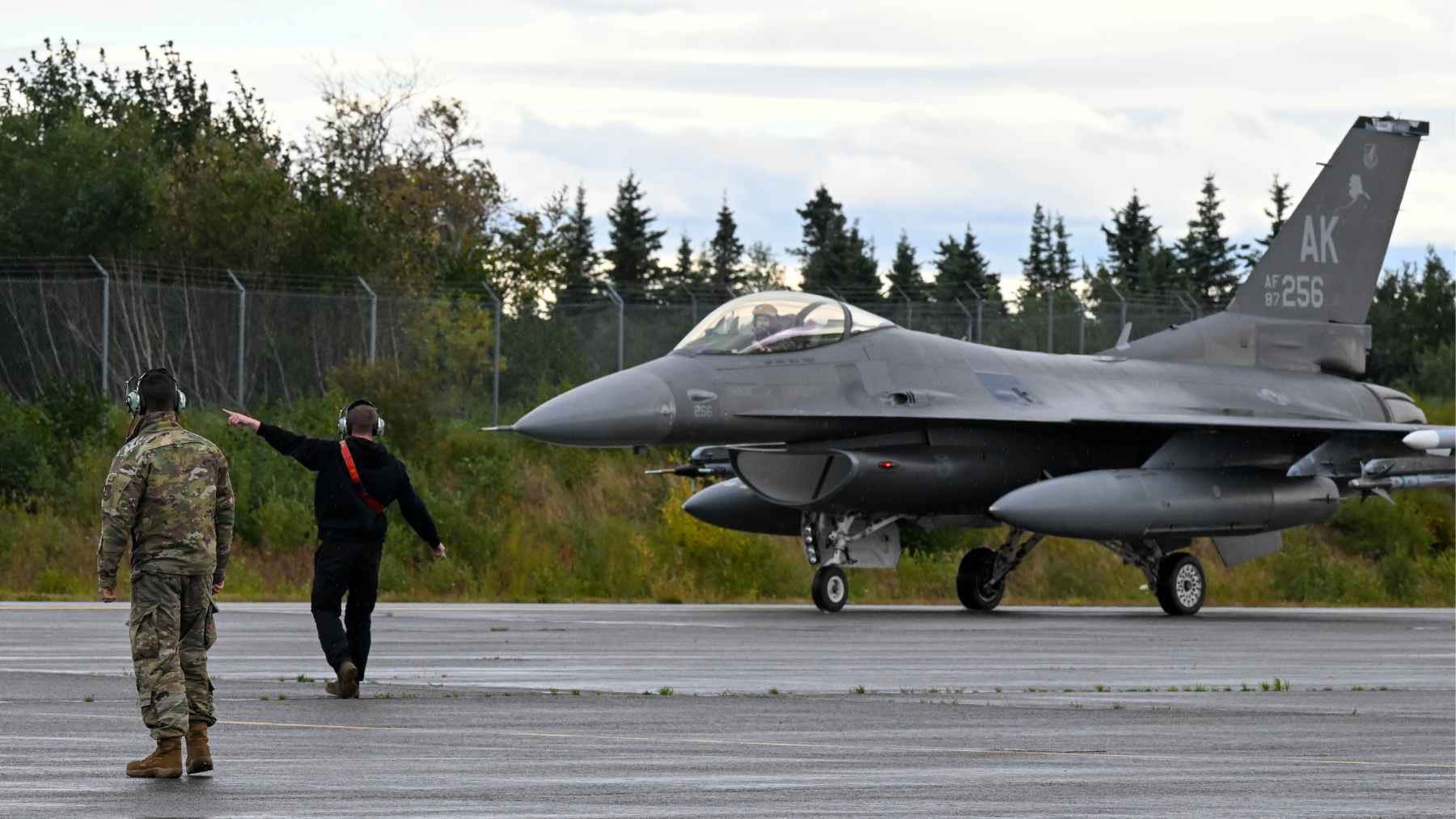
The delicate military partnership between the United States and Canada is under new pressure after Washington warned it may fly more of its own fighter jets over Canadian territory if Ottawa pulls back from a major F-35 purchase.
The cost of that deal has jumped by about $8 billion in just three years, and the sticker shock is now colliding with politics, trade tensions, and questions about who really guards the skies over North America.
At the heart of the dispute is a 2022 agreement for Canada to buy 88 F-35A jets, a move meant to modernize its aging fleet and keep pace with allies. Now that the price tag has ballooned and deadlines have slipped, Canadian leaders are rethinking the plan and even shopping around for alternatives, all while trying to reassure voters that sovereignty and jobs at home will not be sacrificed.
U.S. warning puts NORAD partnership under strain
U.S. ambassador Pete Hoekstra signaled that Washington is ready to step in if Canada cuts the number of F-35s it orders. He said the United States would “fill those gaps” in air defense, which could mean sending more American jets into Canadian airspace on a regular basis.
That possibility touches the core of North American Aerospace Defense Command, the binational pact that already lets both countries operate in each other’s skies to track or intercept threats.
The ambassador suggested that a reduced Canadian fleet would require new terms for that Cold War era agreement, raising fresh questions about command, control, and how far Canadians are willing to go in sharing day-to-day air policing with their neighbor.
Soaring F-35 costs shake Ottawa’s plans
In 2022, Ottawa agreed to buy 88 advanced F-35A fighters from Lockheed Martin, with an initial program cost of $19 billion. An early audit in 2025 found the projected bill had climbed to about $27.7 billion, reflecting delays in manufacturing and higher overall program expenses.
That surge landed at a tense moment, as tariff threats from Donald Trump fueled broader friction between the two countries. Canadian prime minister Mark Carney responded by ordering a review of the fighter deal, framing it as a necessary pause to reassess both costs and strategic needs before committing for decades.
Ottawa courts Saab and promises of Canadian jobs
As part of that rethink, Canadian officials have quietly reached out to other suppliers, including Saab, the Swedish aerospace and defense firm behind the JAS 39 Gripen E. Saab has dangled a powerful incentive, offering to build the aircraft in Canada and claiming the move could create around 12,600 jobs across the country.
Industry minister Mélanie Joly told CBC News that the government is looking for projects that both protect national security and boost employment. She said the government is interested in major projects that “not only protect the security and sovereignty of Canada, but also create jobs across the country.”
In the same interview, she added that Ottawa cannot control the U.S. president yet can shape its own defense spending and industrial policy. “We certainly cannot control President Trump, but we can control our defense investments, who we award contracts to, and our ability, ultimately, to create jobs in Canada, so we are going to focus on that,” she said.
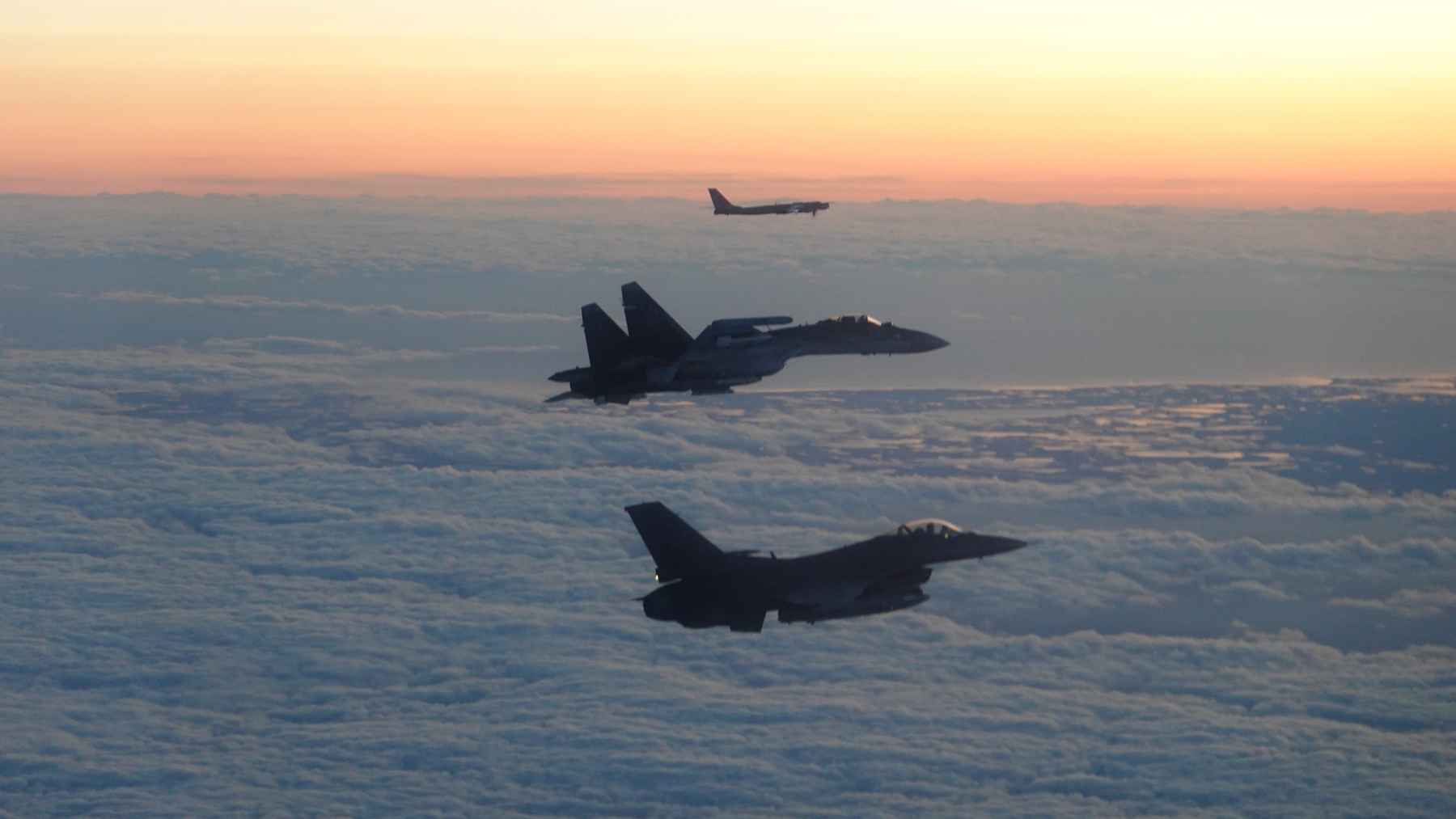
What a Saab deal could mean for North American security
The ambassador warned that a Canadian switch to the Gripen E would complicate joint operations with U.S. forces built around the F-35. He argued that choosing what he called an “inferior product” that is less interchangeable and interoperable with American systems would “change our defensive capability” and force Washington to find other ways to shore up continental security.
Interoperability may sound like jargon, but it matters in practice when pilots share radar data, use the same weapons, and plug into the same command networks. If Canadian jets end up using different hardware and software, the alliance would have to spend more money and time making sure everything still works together when seconds count in a real scramble.
For now, Canada is trying to juggle competing priorities that feel very familiar to many voters, from defense spending and jobs to relations with a powerful neighbor. The outcome could reshape how often American jets patrol Canadian skies and how much control Ottawa keeps over the aircraft that respond when radar screens light up.
The main official information on Canada’s F-35 program has been published on the Government of Canada’s Future Fighter Capability Project.