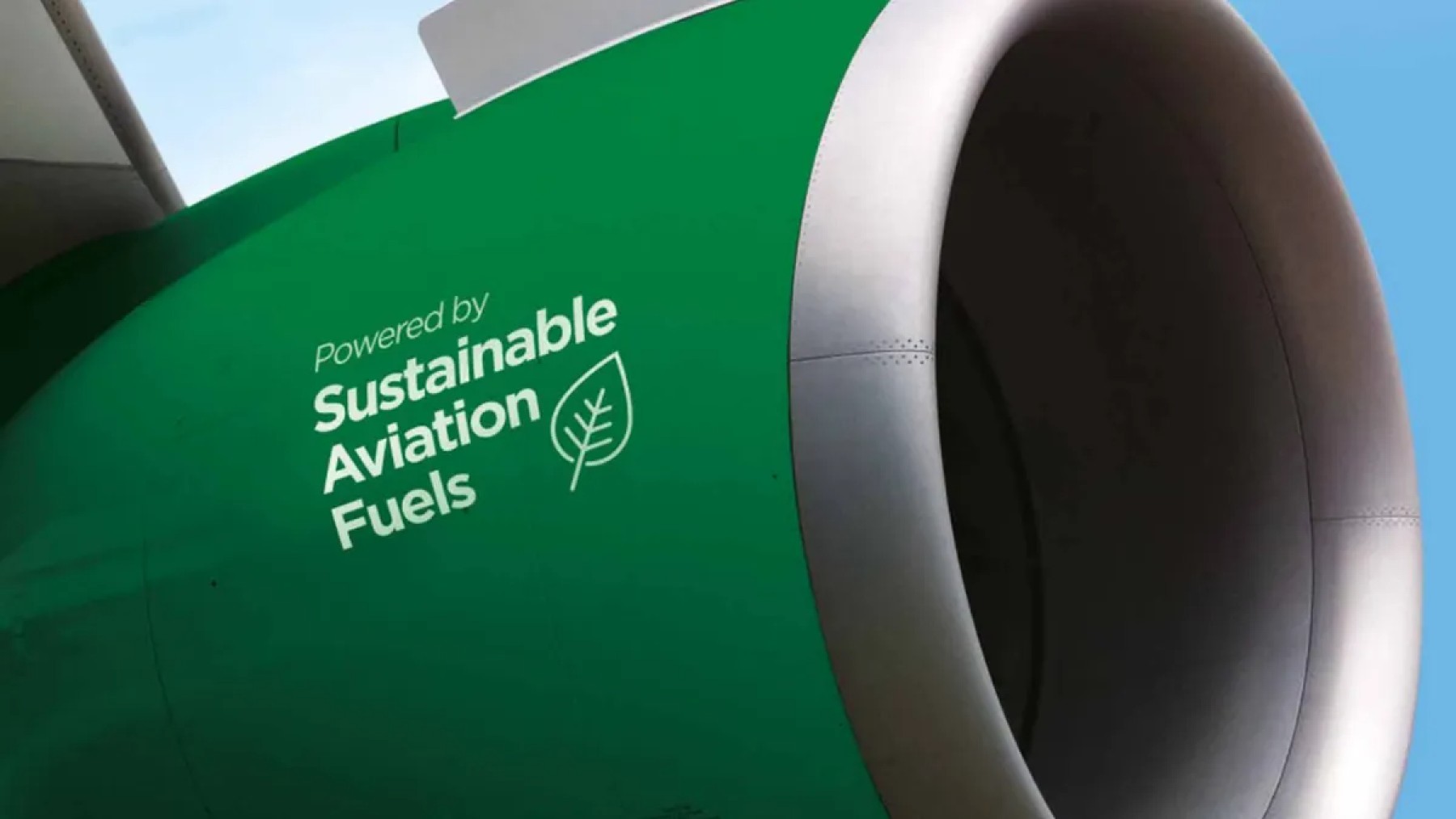
This groundbreaking event marks a new aviation breakthrough. Emirates Airlines has completed the first-ever demonstration flight of the Airbus A380, where a single engine was fueled with 100% SAF or Sustainable Aviation Fuel. On November 22, 2023, this notable event showcased a new approach to developing even greener airplane technologies for the future.
The journey took off from Dubai International Airport, with innovative partners such as Nestle, Emirates, Airbus, Engine Alliance, Pratt & Whitney, and Virent. This achievement also highlights that SAF can adequately replace traditional jet fuel used in the aviation industry, potentially reducing carbon emissions and mitigating climate change.
Understanding SAF: The composition and performance factors you need to know
The aircraft used to promote this technology is powered by sustainable aviation fuel, an engineering marvel, and a compelling display of environmental awareness. Neste specifically offered the Neste MY Sustainable Aviation Fuel™, a HEFA-SPK (Hydroprocessed Esters and Fatty Acids – Synthetic Paraffinic Kerosene) fuel category. To meet the jet fuel requirements and ensure full compatibility with all onboard aircraft systems, ENOC added an aromatic component from Virent, creating a 100% renewable jet fuel.
This type of fuel requires no changes to the aircraft or engines, allowing for immediate adoption without extensive technical interventions. The specific implementation of SAF is demonstrated by its ability to fuel one of the four Engine Alliance GP7200 engines on the A380s, meeting the technical and chemical specifications of conventional fossil jet fuel.
Environmental benefits of SAF: Why it’s more than just an alternative
In particular, using sustainable aviation fuel offers substantial environmental benefits compared to regular aviation fuel. Neste’s SAF can reduce emissions by up to 80%, based on a well-to-wheel analysis, compared to traditional jet fuel. The aviation industry’s current efforts to lower emissions are crucial for combating climate change, given the new global environmental standards.
This demonstration flight shows that companies can begin using SAFs and contribute to reducing the industry’s overall carbon emissions. Additionally, the flight advances the existing knowledge regarding the use of 100% SAF, evidenced by its impact on emissions and aircraft efficiency.
Navigating the challenges and opportunities of SAF implementation
Despite the promising results, such as the Emirates A380 demonstration flight, many challenges remain in the broader application of SAF. SAF can currently be used in blend ratios of up to 50/50 with traditional fossil jet fuel for normal operations. Increasing production to meet the demand for cleaner jet fuel options is a major issue that manufacturers and suppliers must address. The readiness of the aviation industry to shift more towards SAF will depend on further research, testing, and certification.
Additionally, building the infrastructure for blending, distributing, and storing SAF will be necessary as it becomes a regular commodity at airports worldwide. However, the successful examples, such as those of Emirates and its partners, demonstrate that the industry is actively seeking solutions to these challenges and striving to reduce its environmental impact.
The future of SAF: Pioneering a sustainable revolution in aviation
Finally, the A380 demonstration with 100% SAF underscores a significant stride toward greater sustainability in commercial aviation. This achievement also establishes the feasibility of incorporating SAF into large commercial aircraft and pursuing environmentally sustainable solutions. As every participant in the production and distribution chain— from airlines to manufacturers and fuel producers— collaborates and explores new opportunities, the path to widespread SAF adoption becomes clearer.
While challenges regarding scale and infrastructure remain, the potential benefits for reducing emissions and environmental impact are immense. This demonstration flight offers hope that sustainable solutions are within reach for the aviation industry. In the future, as further developments emerge in this field’s R&D sector, many airlines and aircraft manufacturers will likely adopt SAF in their fleets, sparking a significant revolution in how we power flights worldwide.