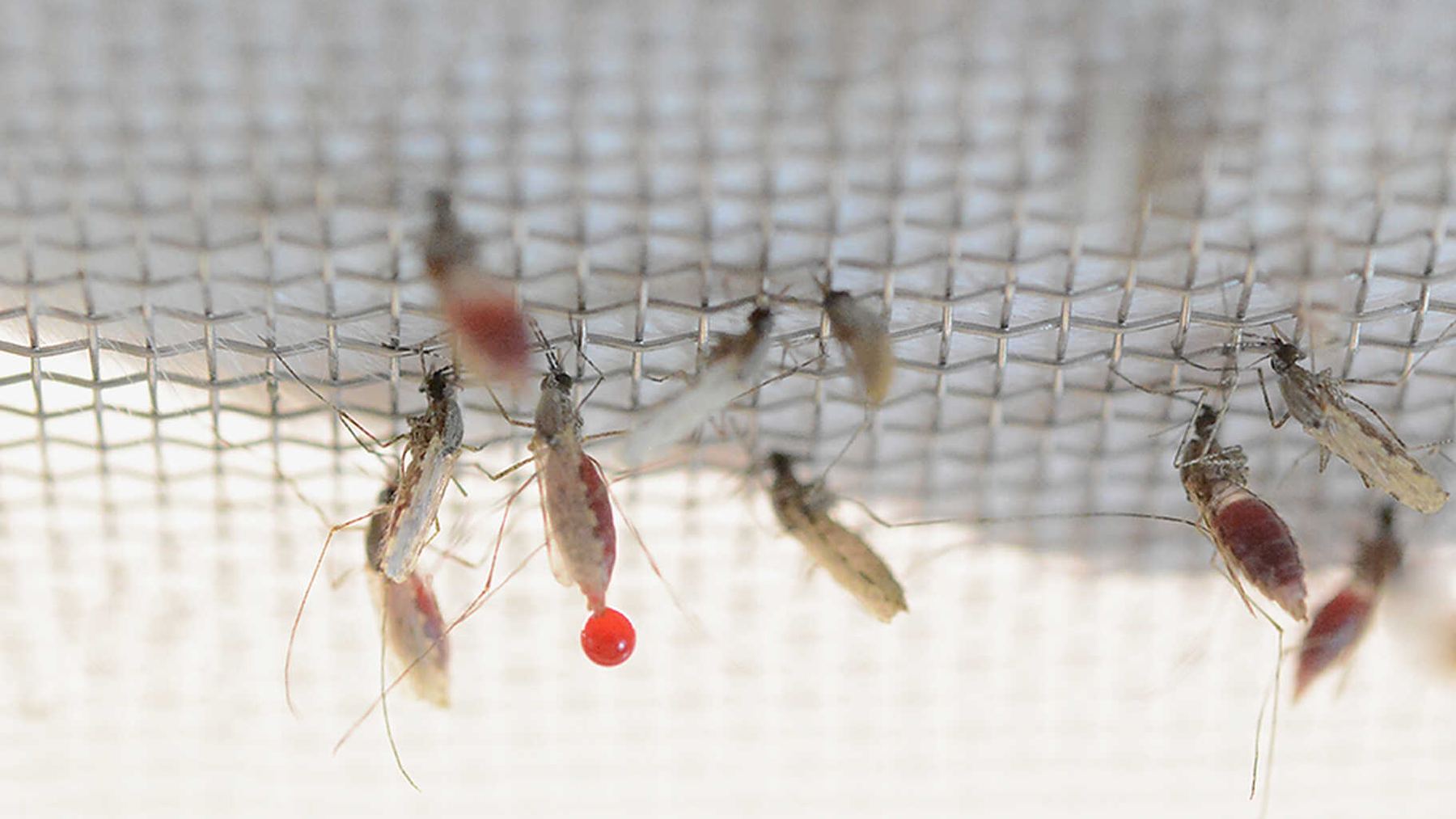
An urban malaria mosquito that has spread from Asia into Africa may give males a genetic edge in hot weather. The same genetic change appears to make females more susceptible to the malaria parasite.
That is the finding of a study by researchers at the Center for Excellence in Molecular Plant Sciences, part of the Chinese Academy of Sciences, the academy said on November 20. The research was published in the journal Cell on November 19.
A mosquito built for cities
The species is Anopheles stephensi. Its native range covers South Asia and parts of the Arabian Peninsula, but it was first detected in Djibouti in 2012.
It has since spread to several other African countries, the academy says. That has raised concerns that it could undermine malaria control across the continent.
Unlike many other malaria vectors, this mosquito is well adapted to cities. It readily breeds in human-made water storage containers and tolerates extremely high temperatures.
As global temperatures rise and its range keeps growing, an important question has emerged, the academy says. How does this mosquito adapt to high temperatures, and could that adaptation also change how well it transmits malaria?
Malaria remains one of the world’s deadliest infectious diseases, with an estimated 282 million cases and 610,000 deaths in 2024, according to the academy. The parasites, of the genus Plasmodium, pass from person to person through bites of infected female Anopheles mosquitoes.
One gene, two effects
Wang Sibao and colleagues looked at the genetic basis of how the mosquito copes with heat. They focused on a gene called timeless, a core part of the insect’s circadian clock.
Some mosquitoes carry a naturally occurring deletion of about 5 kilobases, roughly 5,000 DNA letters, in that gene. The researchers found it has different effects in males and females.
Mosquitoes with two copies of the deletion, one from each parent, had disrupted daily activity rhythms and reduced mating success. The picture changed for mosquitoes with one copy of the deletion and one normal copy.
A mating edge in the heat
Males with one copy of the variant gained a strong advantage at high temperatures. They achieved 3.6 to 4.7 times higher mating success than males without it, the academy says.
That advantage was much less evident at standard temperatures. In direct competition tests, fluorescently labeled sperm let scientists tell apart the sperm of different males. The tests confirmed the advantage of males with one copy.
In semi-field experiments run during summer, the variant became more common over three consecutive generations, beyond what random genetic drift would predict. The academy says this could help the variant spread in mosquito populations.
Heat can also shape which animals survive. In the United States, mussels that died on a Washington shore during the 2021 heat dome were the wrong size for their spot on the rocks.
Females with weaker defenses
The same variant had an unexpected effect in females. Females carrying one copy were significantly more susceptible to malaria parasite infection than those without it.
Infection experiments showed more parasites in the midgut and much higher loads of sporozoites in the salivary glands. Sporozoites are the parasite stage passed to humans when a mosquito bites.
The researchers found reduced expression of several antimalarial immune genes in these females, including LRIM15 and PGRP-LD. In separate experiments, reducing either gene’s expression increased parasite burdens.
Other blood-feeding insects hold surprises too. In Britain, a team sequenced blood-feeding deer keds and found a virus nobody had seen in them before.
How the heat advantage works
In males with one copy, the variant stabilizes the expression of a gene called per at high temperatures, according to the academy. That promotes AKH1, a gene for an insect hormone involved in mobilizing energy, which enhances flight activity.
It also raises two enzyme genes, FAR3 and FAR5, boosting heptacosane, a hydrocarbon on the insect’s outer surface used in mating communication. That makes males more competitive, the academy says.
Tracking genes, not just range
The study links a mosquito’s adaptation to heat with traits tied to spreading disease, the academy says. The variants were found in both laboratory-selected and wild populations.
It also widens the known role of circadian-clock genes, according to the release. Beyond regulating daily body rhythms and behavior, they appear to contribute to environmental adaptation and evolutionary change.
According to the release, the timeless variants could serve as molecular markers for monitoring adaptive change in mosquito populations. As the species keeps expanding in Africa, monitoring its genetic variation may be as important as tracking its spread, according to the release. The release says the work provides a basis for assessing malaria transmission risk and guiding targeted surveillance and control.
Warming is putting strain on far larger systems too. Scientists have warned that parts of the West Antarctic and Greenland ice sheets may already be past their tipping points as the world nears 1.5°C.
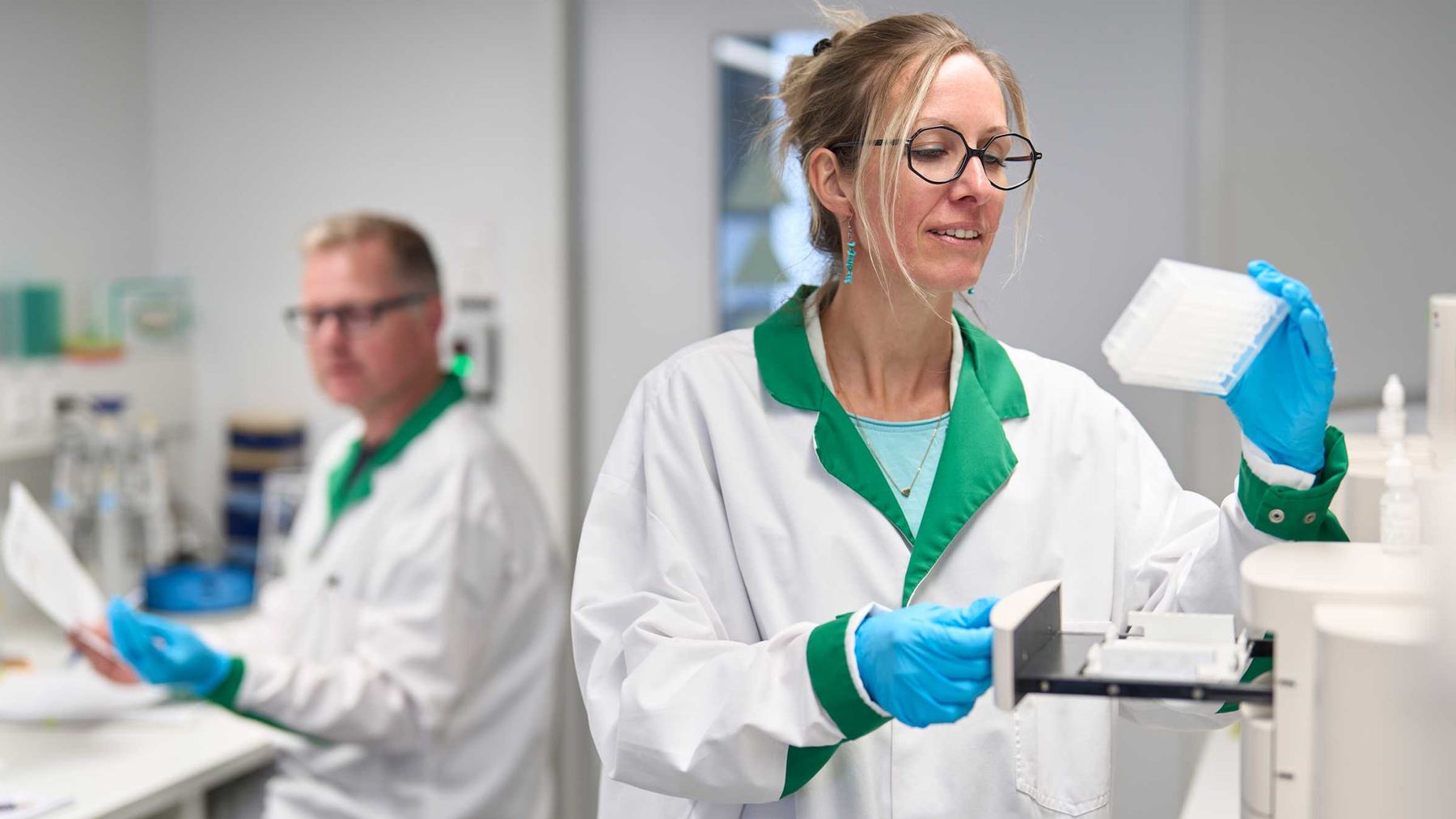
Photo: Wang Sibao / Chinese Academy of Sciences