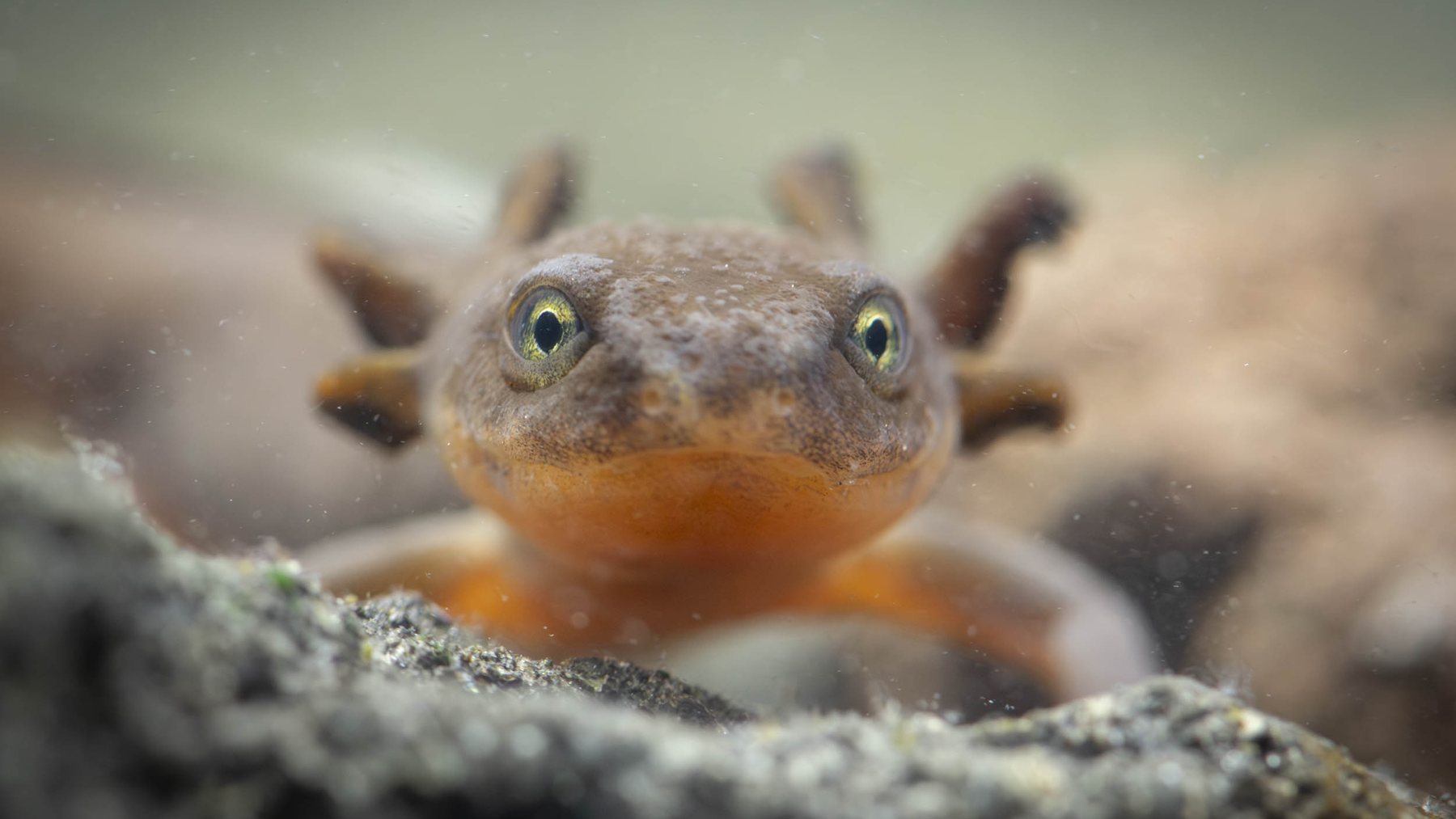
In 2008, standard surveys at Crater Lake in Oregon detected 84 Mazama newts. In 2025, the same kind of survey found 4.
America’s federal Fish and Wildlife Service announced on November 19 that it is proposing to list the Mazama newt as endangered. The amphibian lives in only one place on the planet: the caldera of Crater Lake National Park.
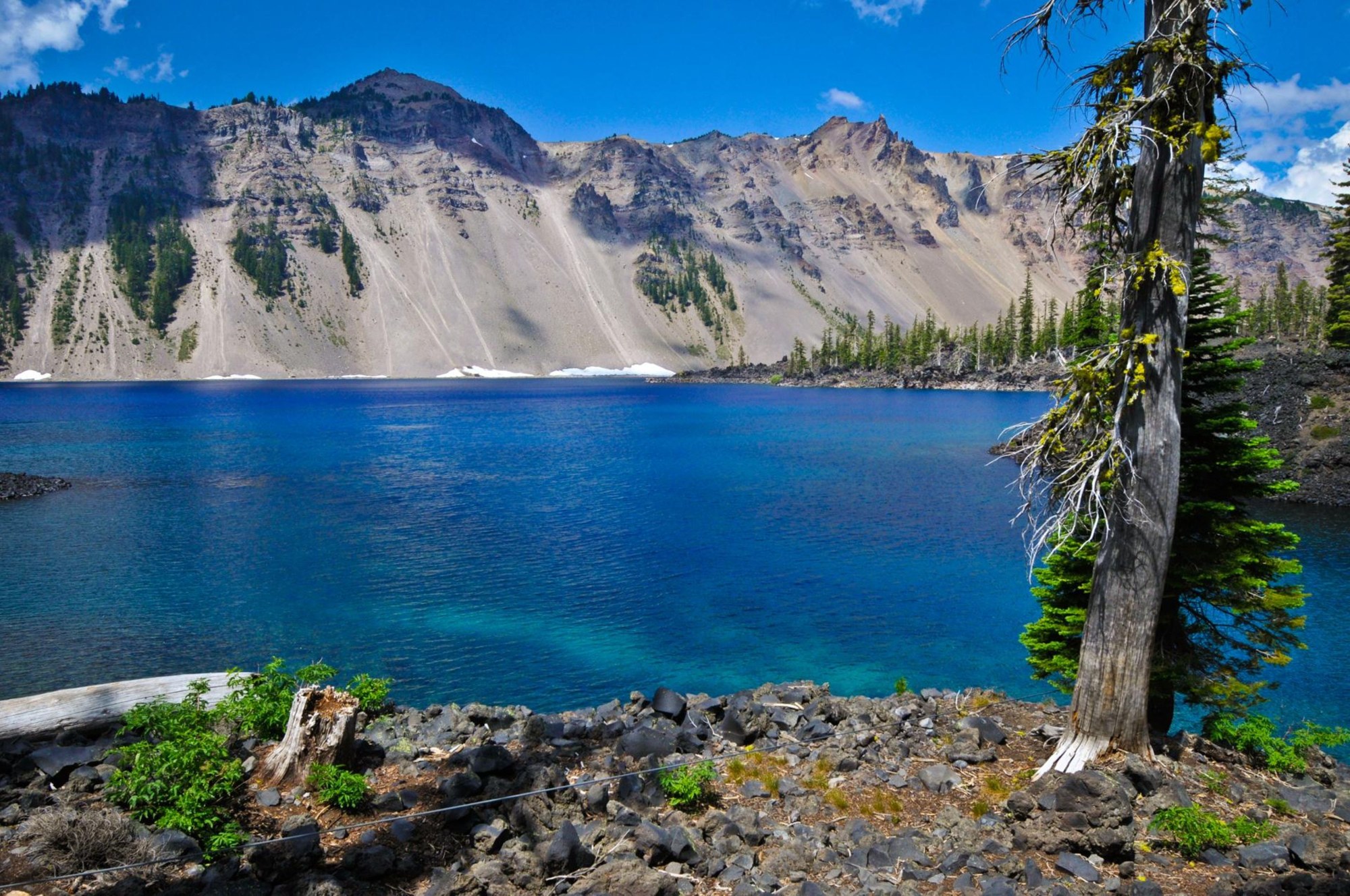
Cut off for 7,000 years
The Mazama newt, also called the Crater Lake newt, is a subspecies of the rough-skinned newt. That wider species ranges along the West Coast from southeastern Alaska to the San Francisco Bay.
The Crater Lake population has been isolated for about 7,000 years. It was cut off after Mount Mazama erupted. The volcano’s collapse formed the caldera that holds the lake.
Over that time it has drifted away from its relatives, according to the proposed rule published in the Federal Register on November 20. Newts in the caldera have darker bellies, a distinct head shape and their own genetic signatures.
Compared with their relatives, they also carry relatively low levels of tetrodotoxin. That neurotoxin can kill predators, and rough-skinned newts elsewhere rely on it for protection.
Crayfish, trout and salmon
The main threat comes from people, through species brought in more than a century ago. Kokanee salmon and rainbow trout were stocked in the lake at irregular intervals between 1888 and 1941. Signal crayfish followed in 1915, brought in as food for the fish.
Today the crayfish are spread almost entirely around the lake’s shoreline. They eat newt eggs, larvae and adults, so the newts are vulnerable at every stage of life.
The crayfish also clear out the small invertebrates newts eat. At some sites with crayfish, those prey animals fell from 325 per square meter to 6 in about two years.
The two fish species now number roughly 60,000 in total and share the newt’s nearshore habitat. Rainbow trout have been recorded eating salamanders in the lake. The agency says it has no conclusive evidence that those were Mazama newts.
Introduced predators have wiped out native animals elsewhere, too. Hawaii saw it happen to a Hawaiian tree snail that vanished from the wild after a predator was brought in to fight a garden pest.
Fewer newts each year
The agency points to its survey numbers as evidence of a decline. Standard occupancy surveys have run since 2008. Detections fell from 84 newts that year to 13 in 2024 and 4 in 2025.
More intensive, non-standard surveys in 2024 and 2025 did find additional newts in some limited areas. Even so, the agency concludes the population has shrunk over time and presumes it has lost genetic diversity.
According to the rule, warming water in the lake is making things worse by helping crayfish breed and spread. Crayfish activity rises sharply as water warms, peaking around 68 degrees Fahrenheit (20 degrees Celsius).
The newts are also slow to mature, which limits how fast the population can rebuild. The agency says they may reach sexual maturity at 3 to 5 years, and cold water can slow the development of eggs and larvae.
Newts in human care
Since 2024, the High Desert Museum in Bend and the Oregon Zoo in Portland have taken 50 Mazama newts into captivity, the rule says. In mid-2026, the zoo’s newts bred and laid eggs for the first time. The agency’s news release calls it a monumental success.
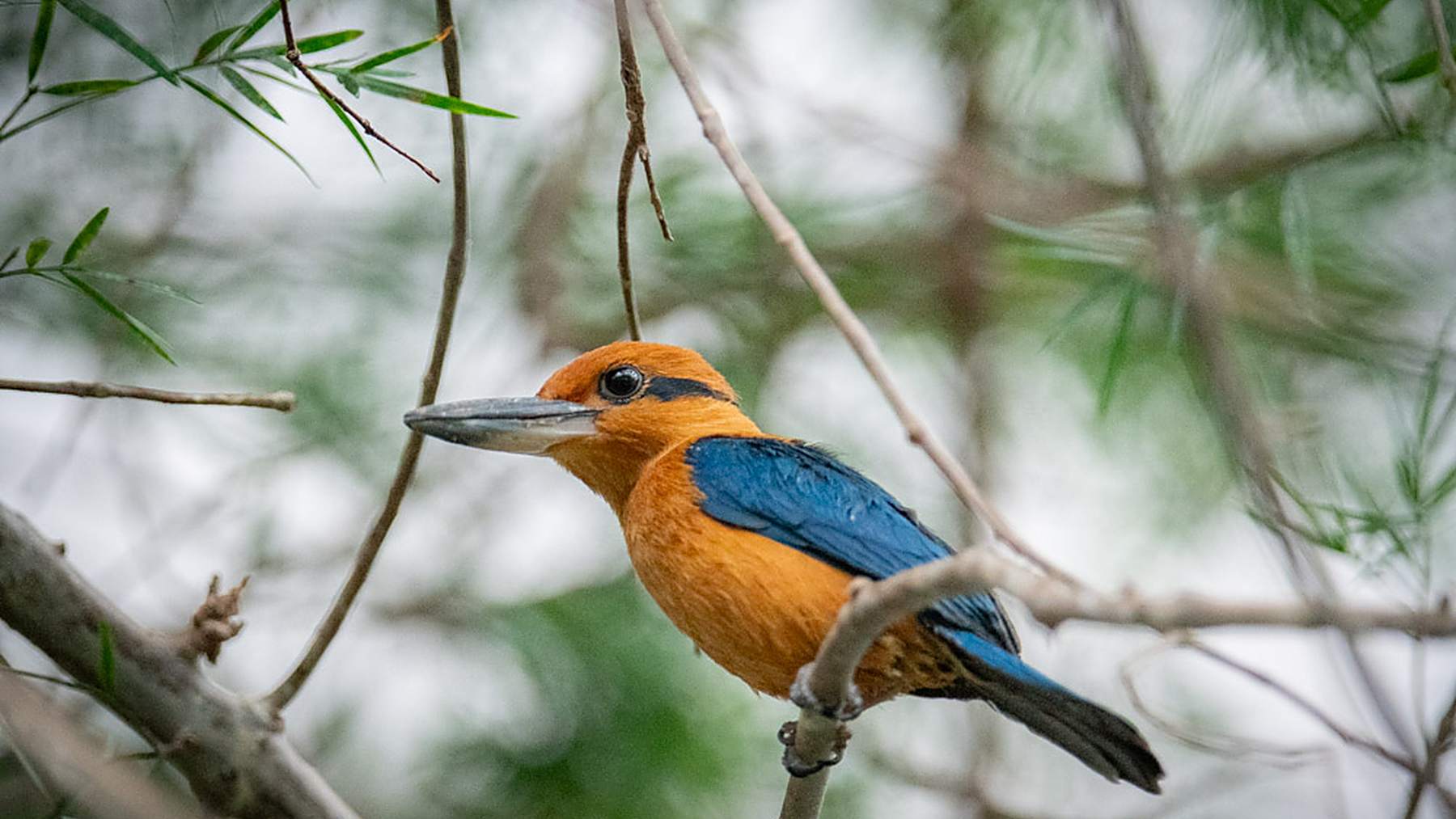
Oregon Zoo staff built a lab designed to mimic conditions in Crater Lake, the agency explains. Mazama newts had never been bred in human care, and their eggs had never been documented in the wild. The same zoo is also part of the effort behind Guam kingfishers being prepared for a return to the wild.
Getting rid of the invaders has proved hard so far. Trapping near the lake’s Phantom Ship area from 2012 to 2014 took out thousands of crayfish. Yet crayfish detections in snorkel surveys went up during those years.
This year, Crater Lake National Park began removing nonnative fish and crayfish from part of the newt’s habitat, the agency says. The rule describes funding for removal in a small pond on Wizard Island.
The next steps
The proposal follows a 2023 petition from the Center for Biological Diversity. A later lawsuit was filed over the deadline for a decision. A 60-day public comment period that opened on November 20 runs until January 19, 2027, under docket number FWS-R8-ES-2026-2938 on regulations.gov.
Critical habitat is not part of the proposal yet. The agency says the economic analysis needed to designate it is unfinished. The law allows one more year to complete it.
Scientists are still finding new amphibians, such as the species behind a pond covered in green flying frogs on a remote Indonesian mountain. The Mazama newt shows how a known species can still be pushed toward extinction in a single lake.
Photo: Oregon Zoo / Michael Durham