Cryptocurrency has continued to gain popularity over the past ten years. While it still remains relatively on the fringe of major investment related projects, it continues to challenge traditional ways of thinking about money. Donald Trump, the new 47th President of the United States, has launched his own crypto venture and his planning to add some major additions to it.
Cryptocurrency: An overview
Cryptocurrency is a type of digital or virtual currency that uses cryptography for security, making it difficult or nearly impossible to counterfeit or double-spend. Unlike traditional currencies issued by governments (like the U.S. dollar or the euro), cryptocurrencies operate on decentralized networks, typically based on blockchain technology—a distributed ledger that records all transactions across a network of computers.
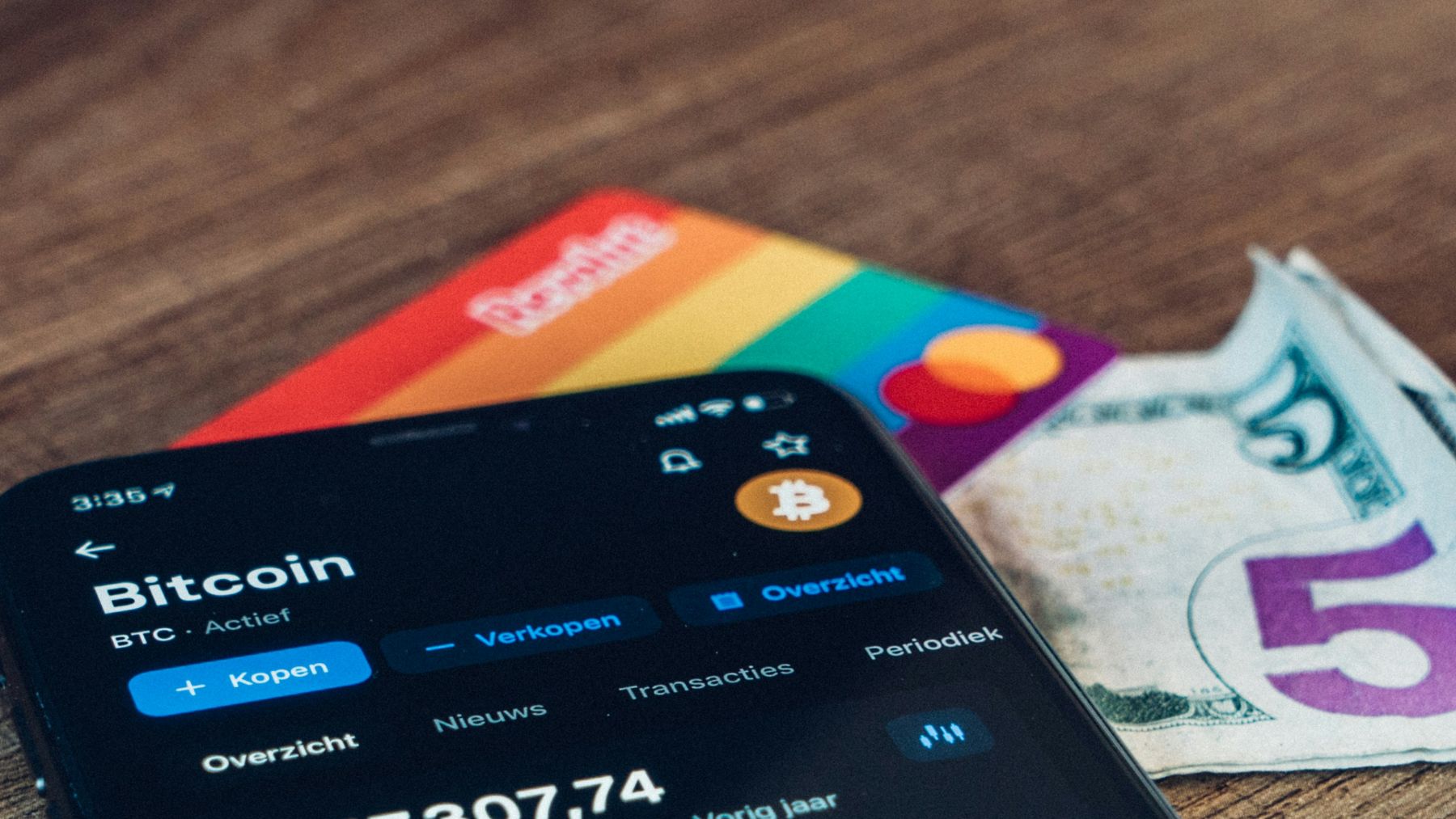
The most well-known cryptocurrency is Bitcoin. Created in 2009 by an anonymous person (or group of people) under the pseudonym Satoshi Nakamoto, it has since then spurred the innovation of thousands of different cryptocurrencies including Ethereum, Ripple (XRP), Litecoin, and many others. These digital currencies can be used for a wide range of purposes such as online transactions and investments.
Most cryptocurrencies operate on decentralized networks. This means that they are not controlled by any central authority like a government or financial institution. This is typically achieved through the use of blockchain technology. Cryptocurrencies like Bitcoin and Ethereum have gained significant attention due to their potential for high returns. However, this comes with risks as the prices of cryptocurrencies can fluctuate dramatically.
Trump’s cryptocurrency venture
World Liberty Financial is a crypto venture started by Trump. It is now launching a stablecoin which could replace the US Dollar. A stablecoin is a type of cryptocurrency that is designed to have a stable value, typically by being pegged to a reserve asset like a traditional currency (e.g., the U.S. dollar) or a commodity (e.g., gold). The idea behind stablecoins is to minimize the price volatility that is often associated with other cryptocurrencies like Bitcoin or Ethereum, making them more practical for everyday use, trading, and as a store of value.
Trump has previously been supportive of cryptocurrency, stating: “If crypto is going to define the future, I want it to be mined, minted and made in the USA”. The U.S. government’s role in cryptocurrency is still evolving, as regulators and lawmakers work to adapt existing laws to the new challenges posed by digital assets. While cryptocurrencies operate outside the traditional financial system, they are not beyond the reach of U.S. regulators, who have focused on ensuring the industry complies with tax laws, anti-money laundering standards, and securities regulations.
The future of cryptocurrency
The question of whether cryptocurrency will replace the U.S. dollar is complex and remains a subject of intense debate among economists, financial experts, and policymakers. While Trump may support the future of crypto currency playing a larger role in the economic landscape, for cryptocurrencies to replace the dollar they would need to overcome significant hurdles including volatility, regulatory challenges, and widespread adoption.
However, digital cryptocurrencies may play an increasingly important role alongside or even in collaboration with traditional fiat currencies. Governments, including the U.S., are exploring digital assets and we may see a growing coexistence of traditional fiat, decentralized cryptocurrencies, and central bank digital currencies in the future, with each serving different functions in the economy.
Trump previously spoke at a Nashville bitcoin conference in July where he stated: “If I am elected, it will be the policy of my administration, United States of America, to keep 100% of all the bitcoin the U.S. government currently holds or acquires into the future,” and “for too long our government has violated the cardinal rule that every bitcoiner knows by heart: Never sell your bitcoin”.