As the world moves towards green energy, especially solar energy, the technology is changing in interesting ways. While originally, solar panels were installed for energy collection from sunlight in open areas, advancements in solar cell technology are now allowing for the collection of energy from indoors.
A new development in solar photovoltaic cells is set to do away with batteries and instead run appliances using low light indoors at home, office or anywhere. This could revolutionize the way we charge our daily use electronics.
This low-cost solar cell technology could replace batteries and reduce e-waste
The dream of harnessing indoor solar power is slowly turning into reality. Thanks to recent developments, solar cells can now operate under basic lighting conditions and use LED and halogen lamps as well as diffused sunlight. This innovation has been pioneered by a California-based company known as Ambient Photonics.
Thus, low-cost dye-sensitized solar cells (DSSCs) were developed, functioning optimally in areas with minimal direct sunlight. These cells are not only cheaper to produce but also charge small, low-energy devices without the need for batteries for everyday use gadgets.
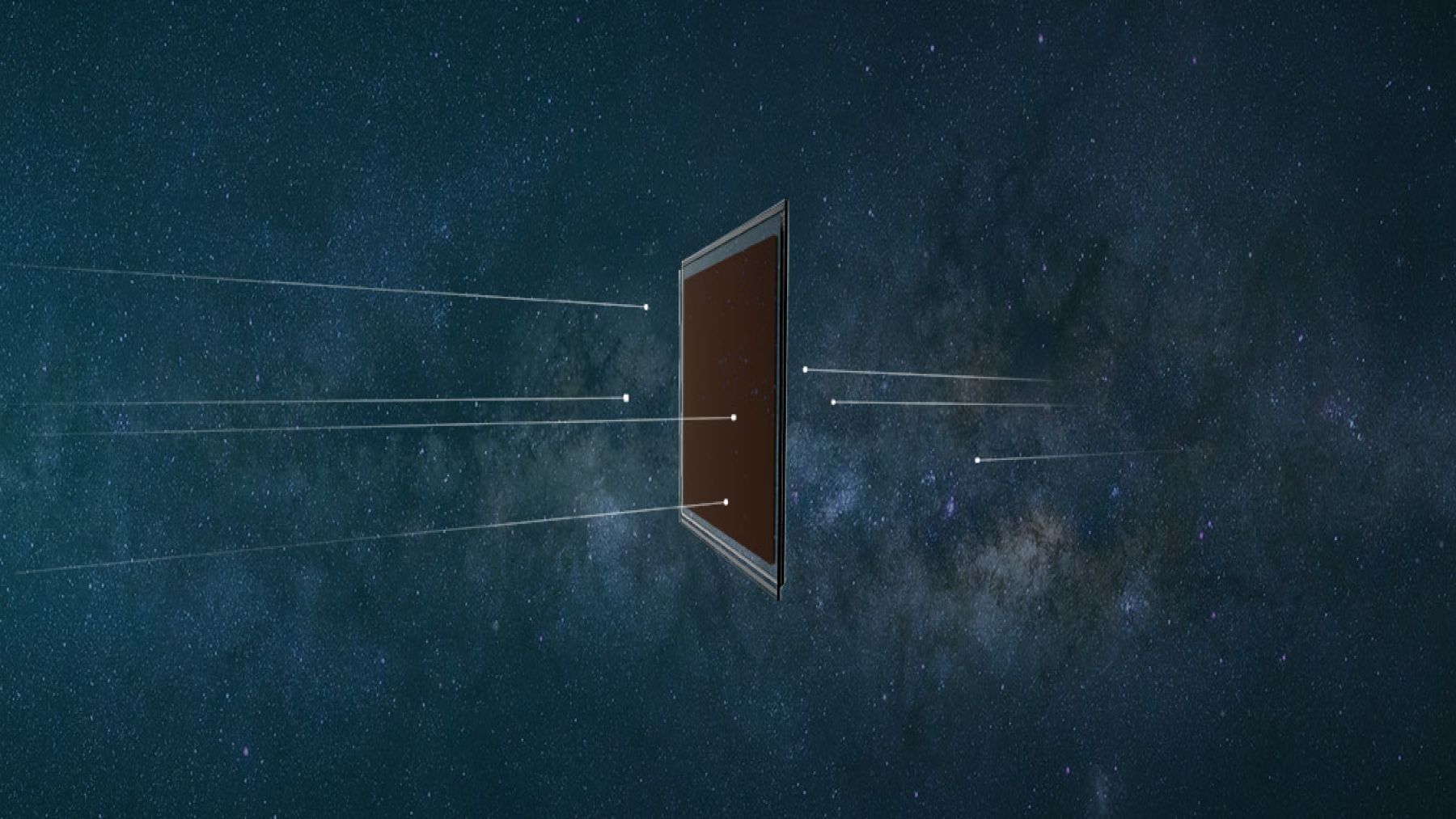
Another interesting innovation in this field is the appearance of bifacial solar cells. These cells, designed by Ambient Photonics, can gather energy from the front and the back of the cell at the same time. This design enables the cells to collect light from diverse directions and enhances energy production by a factor of three or more than common indoor amorphous silicon cells.
Hence, in devices where bifacial cells are incorporated, such as in remote controls and wireless keyboards, the devices are made to operate optimally irrespective of their orientation, as power is guaranteed even in the darkest backdrop.
How low-light solar cells are creating an eco-friendly future for electronics
The effects of low-light solar technology are already being experienced across different fields. In the future, as these solar cells are incorporated into more and more devices, disposable or rechargeable batteries might cut their usage. Beginning with TV remotes to smart devices, making use of low-light solar cells can turn most battery-operated machines solar-based and eco-friendly.
It reduces the environmental cost of battery production and disposal while at the same time expanding the horizons of the device design. Microelectronics with integrated microgeneration technologies may soon become universal, decreasing waste and increasing the usability of portable devices.
It is quite clear that the environmental benefits of indoor solar cells cannot be overstated. This means that billions of disposable power sources that normally have to be disposed of through the landfill could be eliminated to reduce waste.
In addition, the efficiency of low-light solar cells is aimed at reducing carbon footprints during the production of the next generation of electronics, thus making this technology friendly to the environment. These cells have already been incorporated into items such as remote controls and wireless keyboards by Ambient Photonics, and more applications are envisioned.
The company has a manufacturing plant in California, which is one of the largest solar cell manufacturing plants for low-light conditions, and they are aiming to have another manufacturing plant by 2025.
How low-light solar cells are leading to a future without batteries
The rise of low-light and bifacial solar cells has placed us on the precipice of a new electronics age. These cells are believed to bring a radical change in the method of powering devices by making them much greener than the current battery technologies.
It can be expected that the technology will be integrated into more devices, from IoT devices to simple appliances. This change could not only make electronics more sustainable but also create the beginning of changes that would allow homes and businesses all over the world to use energy more intelligently. Energy harvesting is now moving indoors, and the future of the innovation is already here.