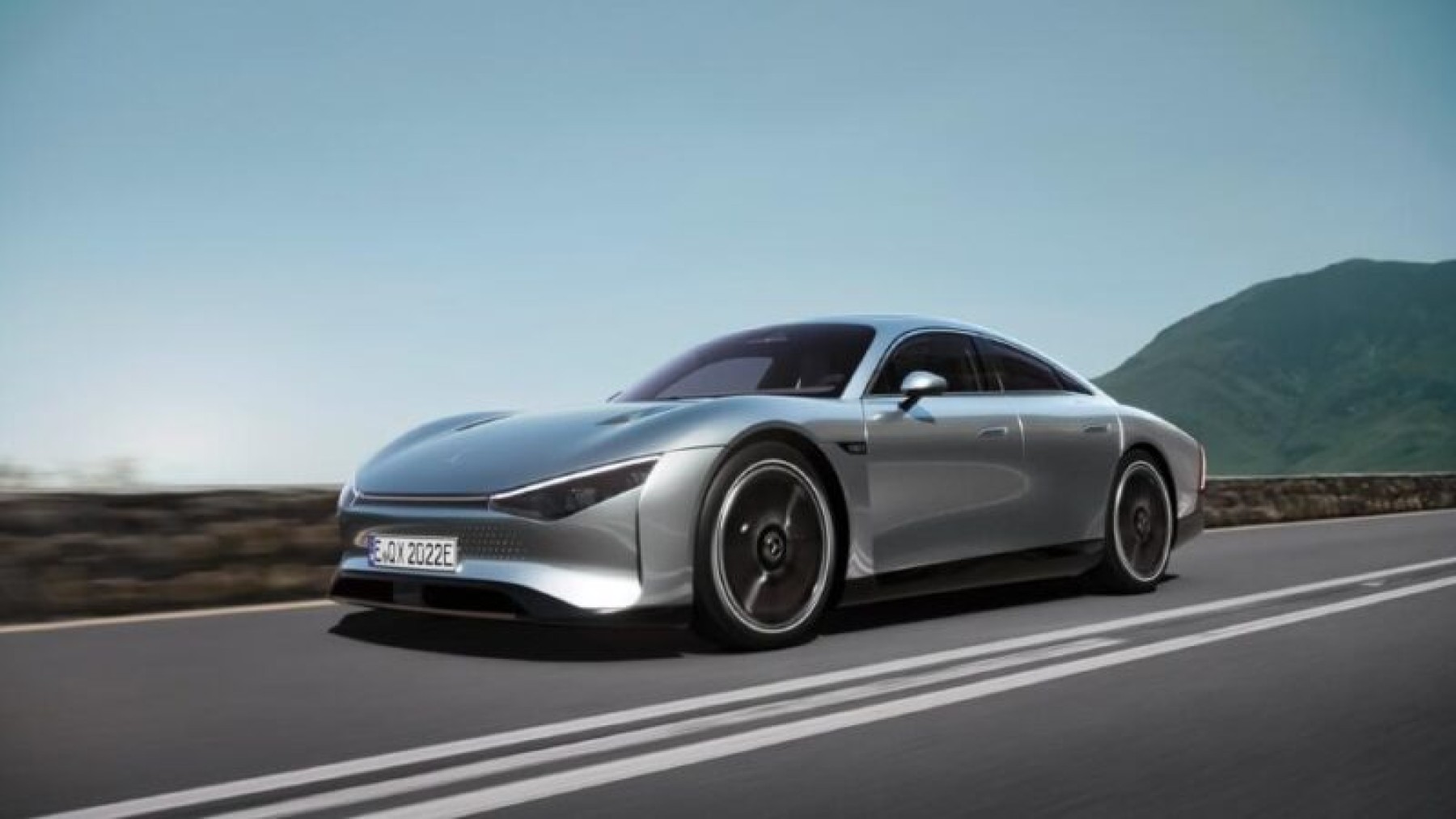
In a bold step towards green mobility, Mercedes Benz is researching a solar paint that could change how EVs are charged. This new paint that can one day be applied to the entire exterior of an EV opens up a completely new way of capturing the sun’s energy and could make the idea of the EV needing charging a thing of the past.
Mercedes-Benz is on a mission to optimise energy capture in a whole new way
The solar paint is part of a larger Mercedes-Benz plan to optimise energy capture and reduce the reliance on conventional charging equipment. But what sets this paint apart, and how could it change our automobiles – and, in fact, our entire lives?
Mercedes-Benz’s solar paint is a revolution in the automotive and renewable energy industries. The previous form of solar panels was comparatively rigid and limited to the rooftop of a car, but this solar paint is quite flexible. It can be painted anywhere on a vehicle. The paint can cover any part of the car – starting from the fenders, going through the hood, and ending with the wheels.
How solar-powered cars could be a reality for everyone, not just the few
Solar material is a paste that is only 5 micrometres thick and thinner than human hair. Despite having a density of 50 gm/sq. meter. The material can convert sunlight into useful energy with an efficiency of 20%. Its implication could be to expand the distance that an EV could cover and make solar-powered driving a possibility for many more individuals.
When used on the vehicle, the solar paint comes out in a large area where it can harvest on the sun, even when the car is parked or idle. The paint in sunny places such as Los Angeles could generate sufficient electricity to add 34 miles a day of range; hence, people with electric cars can probably never recharge for daily use.
For cities with cloudy climates, like Stuttgart, Germany, the paint can improve about 7,500 miles per year. The solar energy the paint collects goes directly to the car’s battery, which always has a power buffer, even if the motor is turned off.
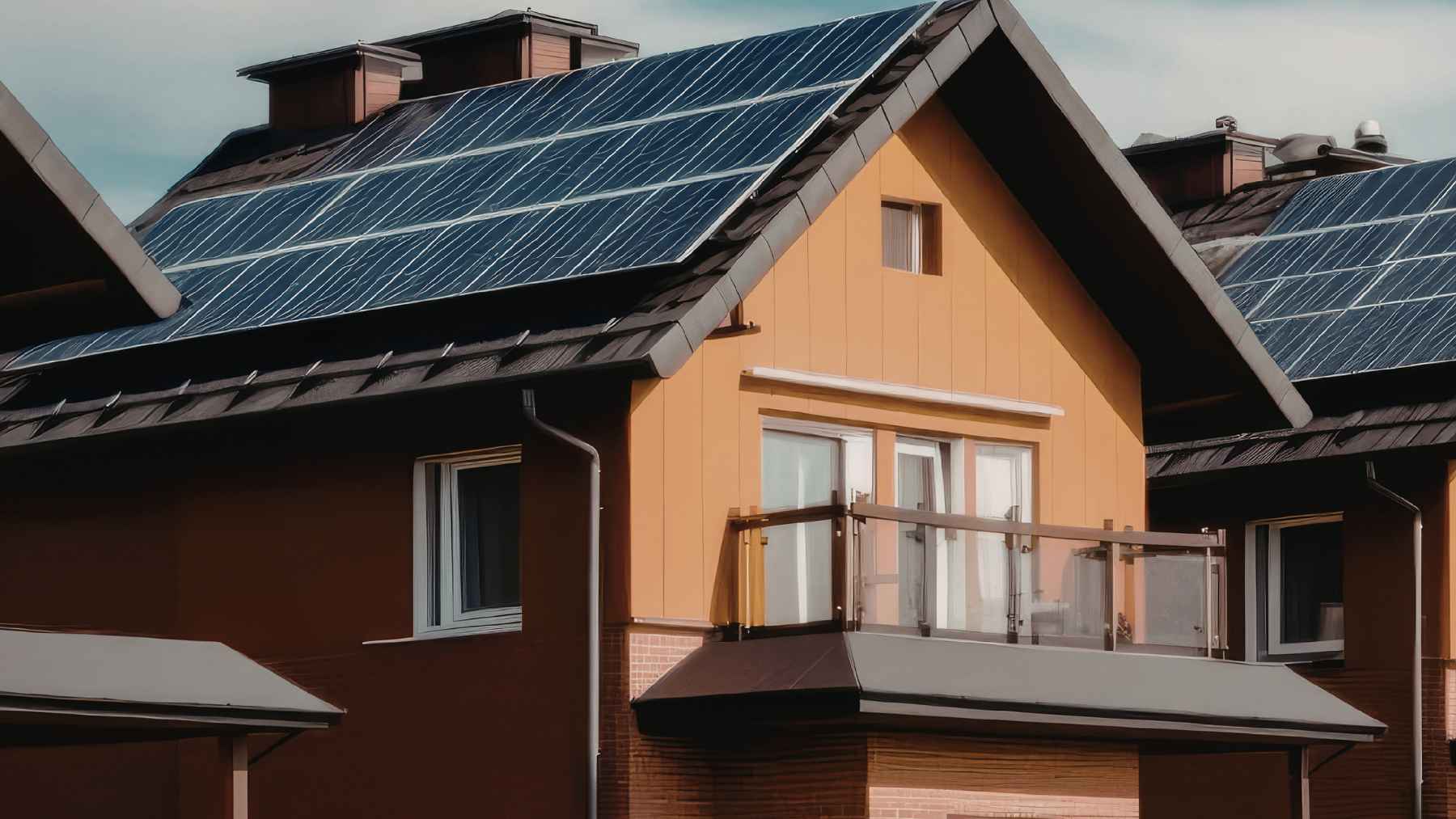
The application of solar paint is not limited to the automotive industry as it has a much wider reach. Imagine if cars could be charged by the sun, buildings, transport, and everything else you could think of. Solar paint could be an energy solution that can be applied to many surfaces to harness solar energy, unlike conventional solar panels.
It could offer power to homes, offices, and other edifices to help decrease industries’ dependency on fossil fuels and greenhouse gas emissions. If Mercedes-Benz’s solar paint works, it will signal the start of a new age in which we will see the usage of clean energy.
Challenges ahead: What’s standing between us and solar-powered cars?
The idea of solar paint is as attractive as it is; however, there are many barriers to address. Mercedes-Benz has not yet explained how the paint will be applied to vehicles; however, they assured us it will not be a painting technique. The efficiency of the paint also has other factors, such as colours; darker colours have a better ability to trap heat from the sun. However, what is more important is that the chosen material must demonstrate its ability to perform and be long-lasting over a long period in different weather conditions the car can experience.
Nevertheless, the idea of solar paint has already been considered in the automotive and energy industries. It could revolutionise not only how we fuel our cars but also how we address consumption of power in the future if expanded. If successful, this solar technology could go a long way in cutting down on the carbon emissions produced by everyday vehicles and, in turn, provide the populace with a greener mode of transportation to look forward to.
While Mercedes-Benz is progressing in perfecting and experimenting with this solar paint, the world is paying attention. As people think more about innovative renewable energy, solar cars may become a norm on our roads and lead to a more sustainable future.