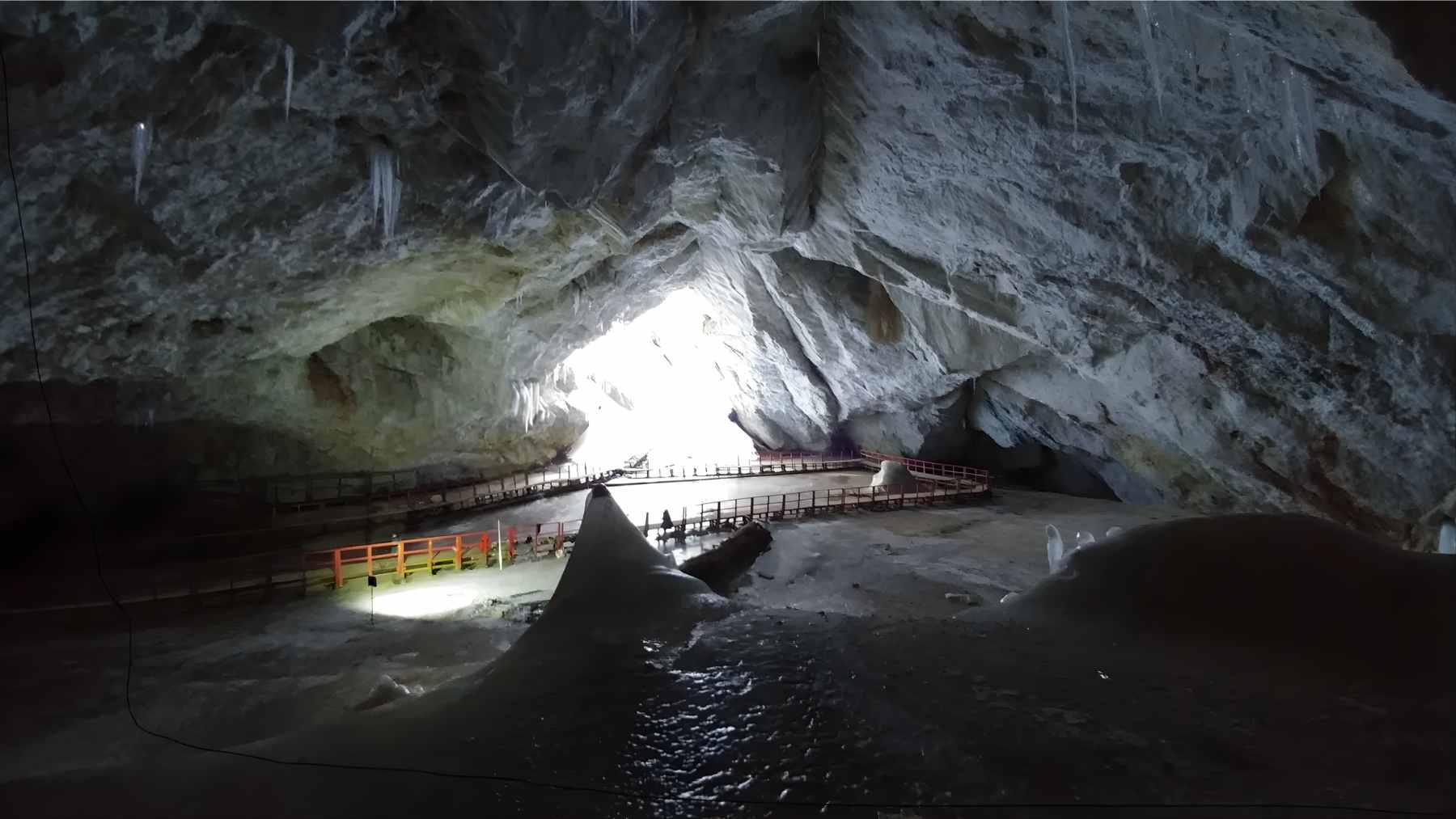
What happens when a microbe from 5,000 years ago meets some of the strongest drugs on today’s hospital shelves? In an underground glacier in Scărișoara Ice Cave, scientists have just found out, and the answer is unsettling as well as hopeful.
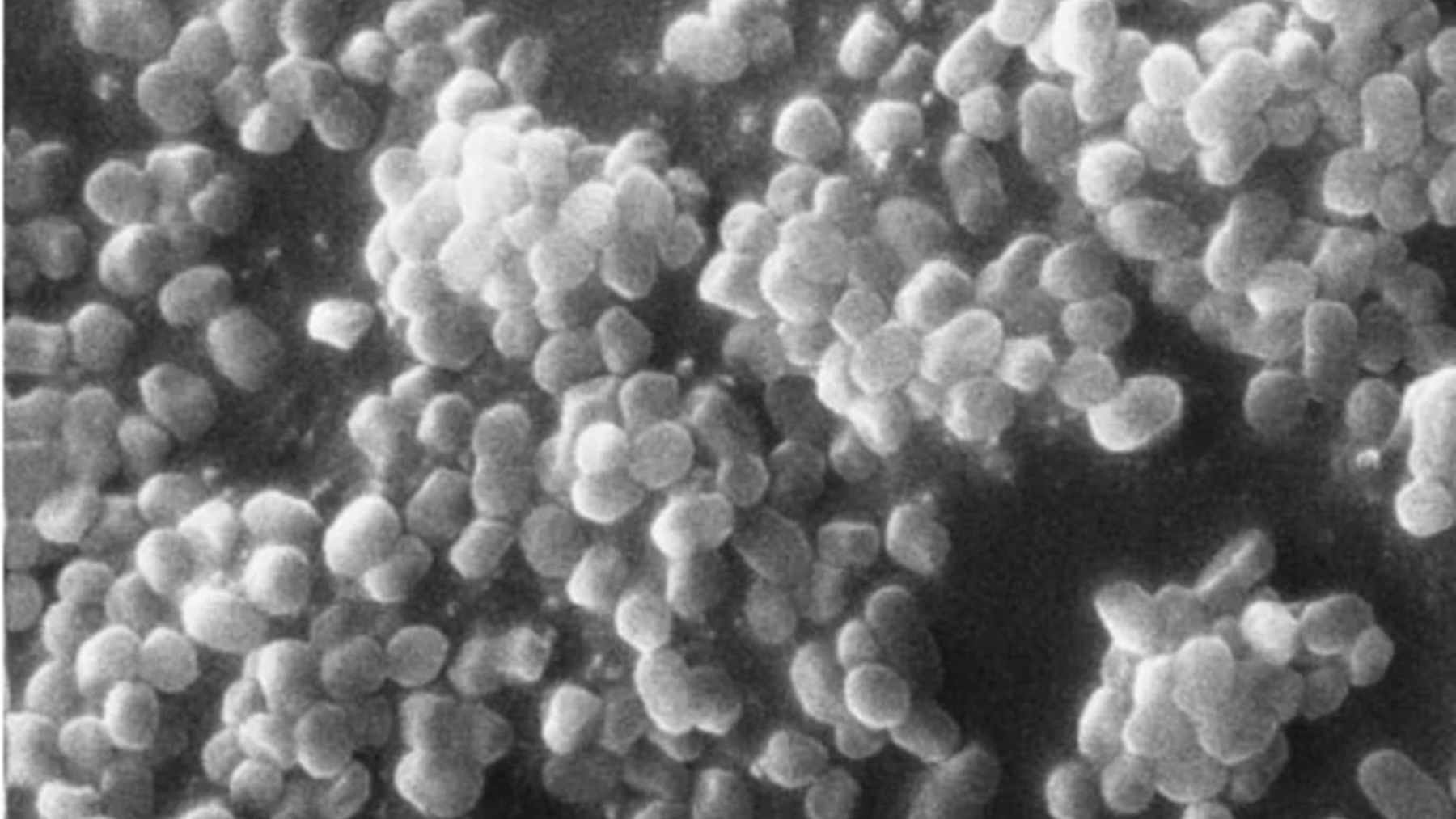
A team from the Romanian Academy has “woken up” a cold-loving bacterium called Psychrobacter SC65A.3 from ice that formed around five millennia ago.
In lab tests, this tiny survivor turned out to be resistant to 10 of 28 modern antibiotics that doctors routinely use for serious infections in the lungs, skin, blood, urinary tract, and reproductive system.
Scientists drilled deep into an ancient ice cave
To reach it, researchers drilled a 25 meter ice core from the cave’s Great Hall, a frozen archive that spans about 13,000 years of climate and microbial history. From the 5,000 year level, they isolated SC65A.3, sequenced its genome, and mapped the genes that help it cope with bitter cold and low nutrients while also standing up to today’s medicines.
When they challenged the bacterium with antibiotics used in clinics, SC65A.3 resisted 10 drugs across eight different classes, including rifampicin, vancomycin, ciprofloxacin, trimethoprim, clindamycin, and metronidazole.
It is the first known member of its group with such a broad resistance profile, suggesting that cold-adapted microbes can act as long-term reservoirs of resistance genes.
Antibiotic resistance genes raise new concerns
Its genome carries more than 100 genes linked to antibiotic resistance and almost 600 genes whose functions scientists still do not understand. Eleven of those appear able to produce compounds that kill or slow other microbes.
In petri dish tests, SC65A.3 even managed to inhibit dangerous pathogens such as Staphylococcus aureus, Escherichia coli, and Klebsiella pneumoniae.
Study co-author Cristina Purcarea describes the strain as a double edged discovery, explaining that it “shows resistance to multiple modern antibiotics and carries over 100 resistance related genes” while also displaying enzymatic activities with promising biotechnological potential.
Why antimicrobial resistance in ancient ice matters
Why does this matter beyond one remote cave most of us will never visit? Because it confirms that antimicrobial resistance evolved naturally in the environment long before humans started prescribing pills and injections, and that ancient ice can store those genes for thousands of years. In a warming world, melting glaciers and permafrost could gradually release similar microbes or, more realistically, their DNA into rivers, soils, and modern bacterial communities.
Health agencies are already sounding the alarm. The World Health Organization estimates that bacterial antimicrobial resistance directly caused about 1.27 million deaths in 2019 and contributed to nearly 5 million worldwide.
If antibiotics fail more often, everyday problems such as a urinary tract infection or a minor surgery can become much riskier than most patients expect when they pick up a prescription.
Ancient microbes could also help fight superbugs
At the same time, the cave bacterium hints at new tools for fighting back. Its ability to suppress hard to treat “superbugs” and its large set of unknown genes turn the ice core into a kind of natural library for future antimicrobials and industrial enzymes, provided laboratories handle these strains under strict safety rules.
In other words, ancient microbes like SC65A.3 are both a warning and a blueprint. As climate change eats away at Earth’s frozen archives, the question is not only what might emerge from the ice, but whether we will have turned that knowledge into smarter antibiotic use and new treatments in time.
The study was published in Frontiers in Microbiology.