If you have ever inched through city traffic and watched exhaust hang over the road, you have probably wondered whether switching to an electric car really changes anything you breathe. For years, the answer was mostly based on computer models and promises about the future.
Now a new scientific study combining satellite views from space with data from California streets says the impact is already real. Researchers found that as neighborhoods added more zero-emission vehicles, levels of a key traffic pollutant went down in a measurable way.
A satellite view of dirty air
The team focused on nitrogen dioxide, often shortened to NO2. This gas comes mainly from burning fossil fuels in engines and is strongly linked to asthma attacks, bronchitis, and higher risks of heart disease and stroke, especially for people who live near busy roads.
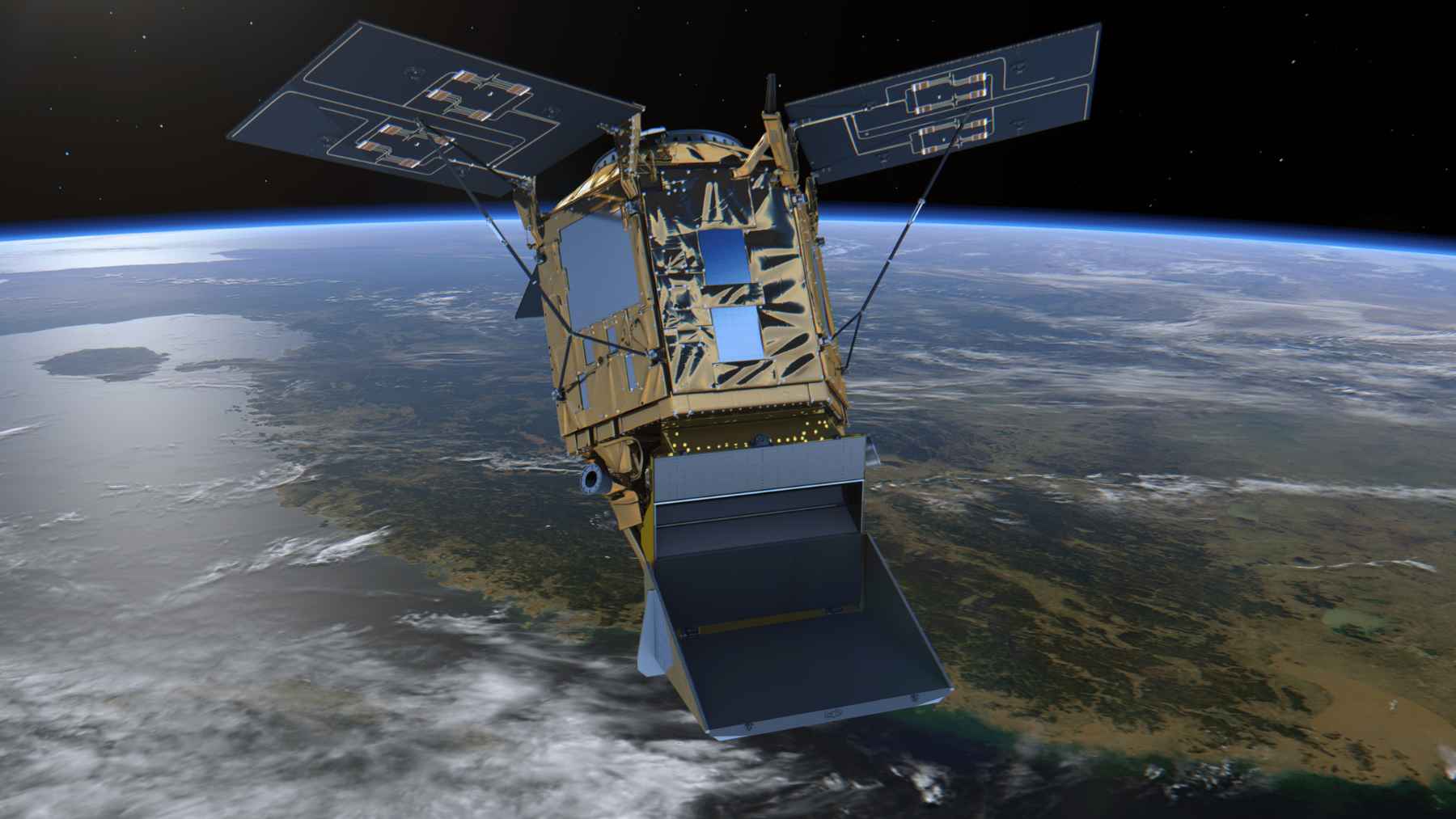
To measure NO2, the researchers relied on the TROPOMI instrument that flies aboard the European Sentinel 5 Precursor satellite. TROPOMI scans the atmosphere and detects how gases interact with sunlight, which lets scientists map pollution over entire regions with fine detail every day.
That global view helps solve a long-standing problem. Traditional air quality stations sit in a limited number of spots, so they miss many neighborhoods and create gaps between sensors. A satellite can see all of California in a single pass, giving a more complete picture of the air people actually breathe.
Connecting electric cars to satellite data
Researchers at the Keck School of Medicine of USC and the wider University of Southern California combined two big datasets between 2019 and 2023. One tracked registrations of zero-emission vehicles, including fully-electric cars, plug-in hybrids, and hydrogen fuel cell models. The other came from TROPOMI and reported yearly average NO2 levels over the same areas.
California was divided into 1,692 neighborhood-sized zones similar to ZIP code areas. In each zone, the team counted how many new zero-emission vehicles joined the light duty fleet, meaning everyday cars, pickups, vans, and sport utility vehicles, while excluding heavy trucks. Over the study period, a typical neighborhood added about 272 zero emission vehicles.
Lead author Sandrah Eckel and her colleagues then used statistical models to see how changes in electric vehicle numbers matched changes in NO2 in the same places over time. They also ran extra checks, such as leaving out 2020 and accounting for gas prices and work from home patterns, to make sure the results did not simply reflect the pandemic or other temporary shifts.
What the numbers mean on your street
The headline finding is simple enough to picture at the level of a single neighborhood. For every extra 200 zero-emission vehicles on local roads, NO2 levels fell by about 1.1% in that area. It may sound like a small change, but across thousands of vehicles and millions of people, those percentage points can add up to fewer irritated lungs and fewer emergency room visits.
The pattern also worked in the opposite direction. Where the fleet shifted toward more gasoline and diesel cars, NO2 tended to rise instead of fall, which supports the idea that tailpipes remain a major driver of this pollutant in real-world conditions.
For families who worry about a child’s asthma or an older neighbor’s heart health, that kind of shift is not an abstract statistic, it is a question of how safe it feels to take a deep breath on a hot, still afternoon.
Senior author Erika Garcia put it bluntly in the school’s summary of the work, noting that the drop in pollution shows up on a human timescale. She said that this kind of immediate change in air quality is important because it also has an immediate impact on health, and she pointed out that traffic-related air pollution can harm both the heart and the lungs over short and long periods.
Why this matters for future clean cities
The new study strengthens the case that electric vehicles are not only a climate tool for future decades but also a way to clean up local air in the near term.
The researchers report that zero-emission vehicles grew from about 2% to 5% of all light duty vehicles in California during the study window, so they are only seeing the effect of an early stage transition. That leaves a lot of room for bigger gains as the fleet becomes cleaner.
Because Sentinel 5 Precursor and TROPOMI watch nearly the whole planet each day, the same approach could be used to test whether other regions see similar benefits as electric cars spread. The satellite is operated by the European Space Agency and was built to track gases that affect both health and climate, so this type of public health research fits directly into its mission.
Experts still note that electric cars are only one piece of cleaner city air. Power plants need to keep cutting their own emissions, and investments in public transit, biking routes, and safer walking routes can reduce traffic altogether so people are not stuck in jams staring at a line of brake lights.
Even so, for someone who just stretched to afford an electric car and worries about the monthly electric bill, it is striking to know that the switch is already making the neighborhood’s air a little easier to breathe.
The main study has been published in The Lancet Planetary Health.