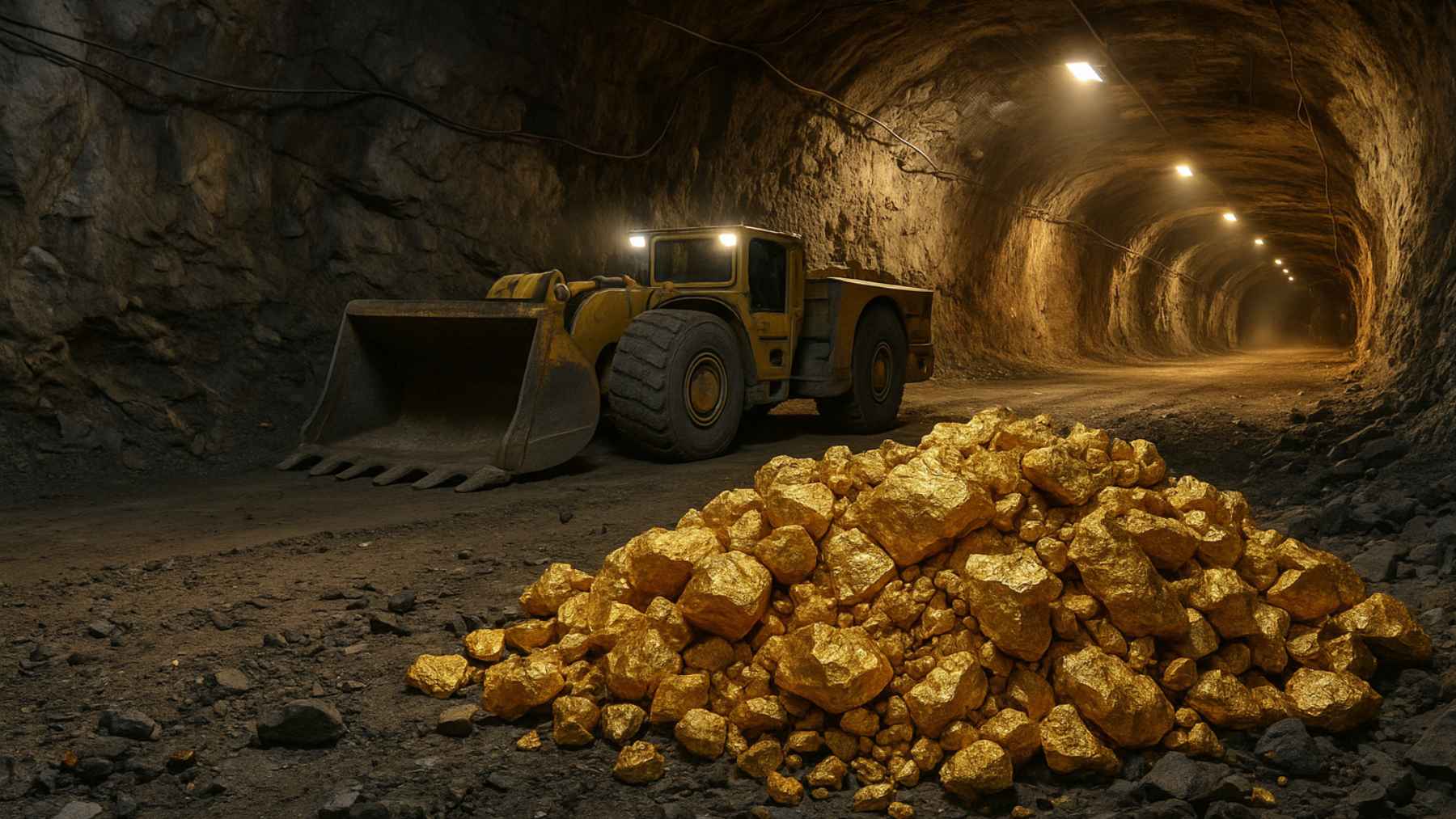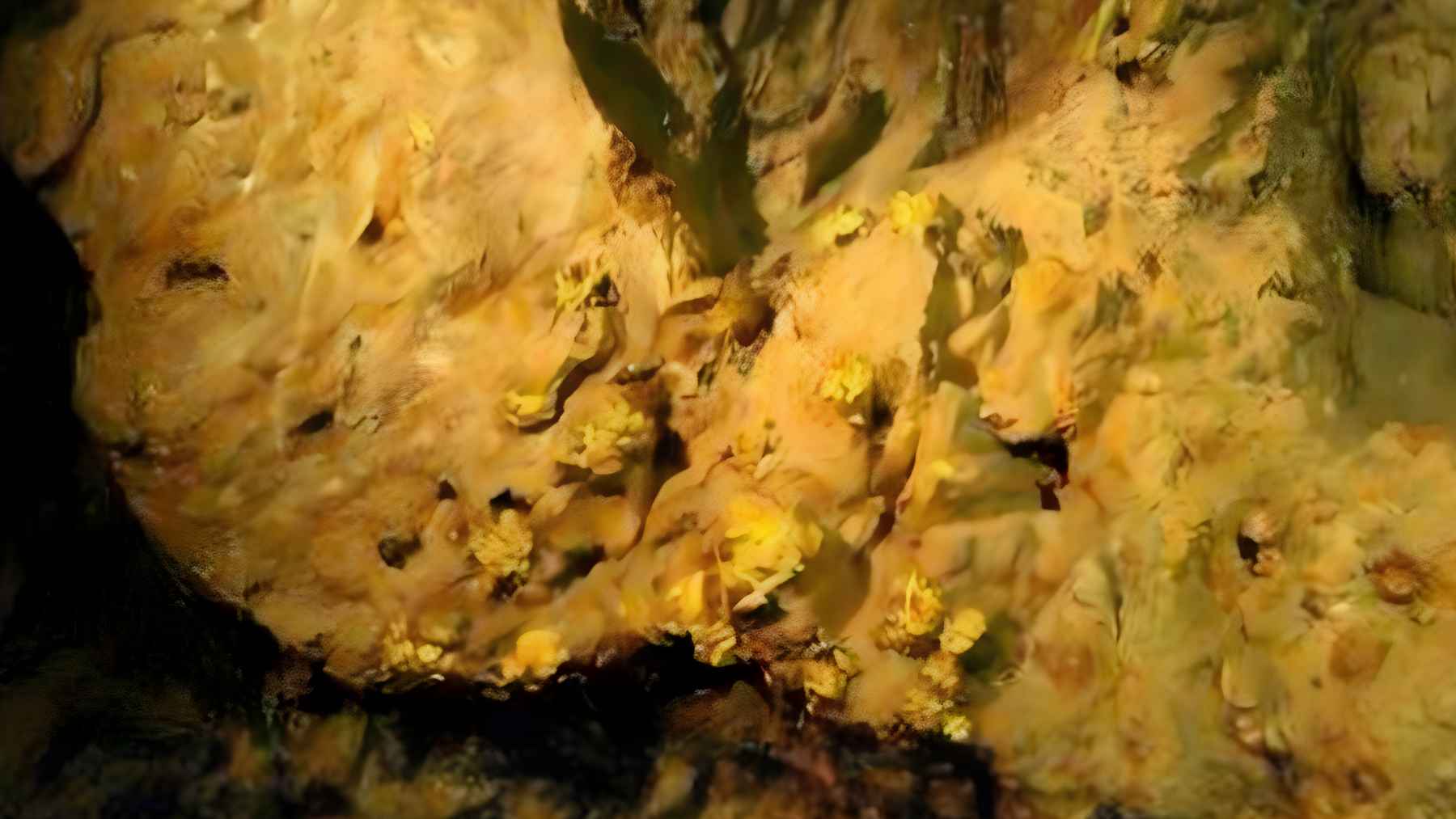
Deep under the hills of central China, geologists say they have located more than one thousand metric tons of gold beneath the Wangu gold field in Pingjiang County.
Early drilling has already outlined about three hundred tons of resources in more than forty veins around two thousand meters deep, and official models suggest that mineralization could push the total above one thousand tons to three thousand meters. The Geological Bureau of Hunan values the find at roughly six hundred billion yuan, about $83 billion.
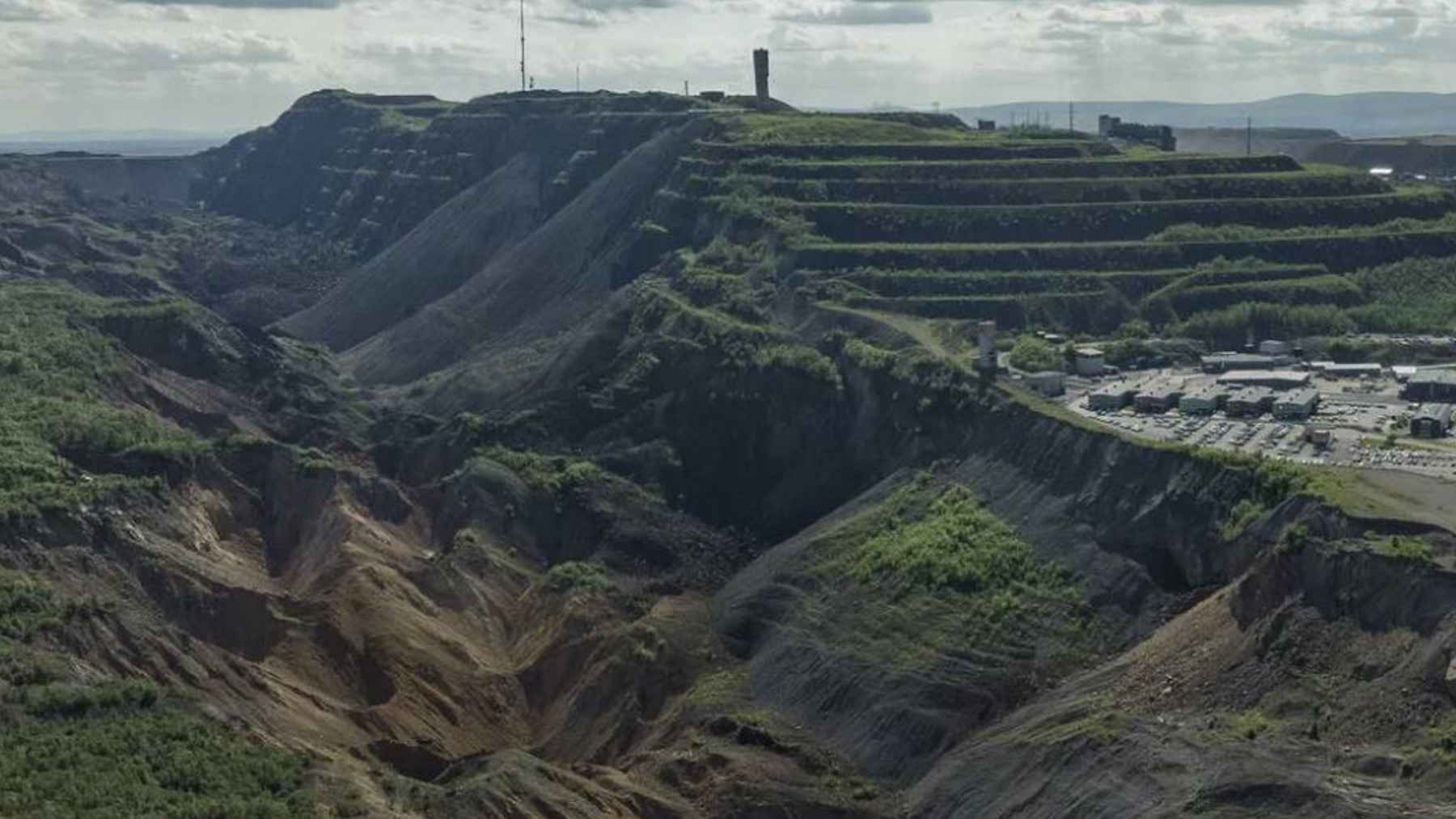
On paper, that puts this buried stash among the largest single gold deposits ever reported, rivaling South Deep mine in South Africa.
Global mines produced around 3,300 metric tons of gold in 2024 according to the United States Geological Survey, so if the upper estimates hold, Wangu alone would represent roughly one third of a full year of worldwide mine output and several years of current Chinese production.
That kind of scale gets traders excited. It also raises a tougher question for everyone who owns a wedding ring or a gold backed fund.
What we really know about the Wangu estimate
How certain are those numbers? Even industry insiders are urging caution. The World Gold Council notes that only the three hundred tons at shallower depths have been mapped in detail so far, while the thousand-ton figure rests on extrapolations that still need more drilling.
One senior strategist has described the headline resource as “aspirational,” pointing out that Chinese reporting standards do not fully match international mining codes and that years of work would be required before anyone can call this a proven reserve.
The rocks themselves sit in the Jiangnan orogen, sometimes called Hunan’s “golden belt,” where ancient faults and late Mesozoic granites created ideal plumbing for gold-rich fluids.
Geologists with the Geological Bureau of Hunan Province report that many drill cores show visible specks of gold and that one sample interval reached a maximum grade of about 138 grams per ton, far above what keeps many underground mines running. It is a geological lottery ticket. Turning it into metal is another story.
Why deep gold mining turns into a climate and water issue
Groups that track mining impacts remind us that gold extraction is among the most polluting branches of the mineral industry. Producing enough metal for a single average ring can generate more than twenty tons of waste rock and tailings, which often carry cyanide, acids, and heavy metals that can leak into rivers and groundwater.
Deep deposits add yet another layer of risk because every extra meter underground means more rock to hoist, more groundwater to pump, more fans to keep workers cool and safe. In practical terms, that shows up as higher electricity demand and, in many grids, higher-carbon emissions as well as pressure on local water supplies.
Researchers estimate that global gold mining already emits more than one hundred million tons of carbon dioxide equivalent each year, with typical operations releasing hundreds of kilograms of greenhouse gases for every ounce of gold produced.
If even part of the Wangu resource is mined using today’s average technology, the climate footprint over the life of the project could reach into the tens of millions of tons of emissions, unless operators lean hard on cleaner power, efficient ventilation, and electric equipment.
At the same time, any large mine in forested, mountain terrain will need carefully-engineered tailings facilities, groundwater monitoring, and real enforcement to avoid the kind of spills and acid drainage that have poisoned waterways at other gold sites around the world.
What happens next for Wangu?
For now, Wangu is still at the exploration stage. No peer-reviewed technical report on the full deposit has been released, and even Chinese officials acknowledge that the one-thousand-ton figure is an estimate that will shift as new holes are drilled and models updated.
The real test will come if and when mine planners move from spectacular headlines to detailed designs and long-term monitoring plans that protect nearby communities, forests, and rivers.
The official press release was published on Xinhua.