In recent years, several developing countries have become the protagonists of large-scale mineral extraction projects. This is because these regions have an abundance of natural resources, but their institutions are still consolidating, and this is where many investments that promise jobs, infrastructure, and economic growth come into play. However, as the number of mines opened increases, some questions also arise: Is this the most solid path for the future? And this is why some say that this mine should never be reopened.
What are the points involved in mining?
To better understand what is happening at this particular mine, we need to go back to what mining means. Well, by definition, mining is an extractive activity. In other words, it removes from the earth what took millennia to form and, in doing so, ends up transforming the landscape, ecosystems, and social fabric around it. And this is where a very important point comes into play: in countries with fragile institutions and urgent needs, these impacts tend to be more intense.
Here we have separated three factors that help to better understand why, in these contexts, the development generated by mining is almost always limited:
- Unequal negotiations: Contracts usually favor foreign investors. Governments that are pressured by deficits or fiscal dependence end up accepting terms that compromise local value capture.
- Low economic diversification: By revolving solely around extraction, these economies become vulnerable to global price fluctuations and end up not building sustainable alternatives for the future.
- Persistent socio-environmental impacts: Consequences such as deforestation, pollution, water shortages, and community displacement leave scars that last far beyond the mine’s useful life.
What mine is this that can never be reopened?
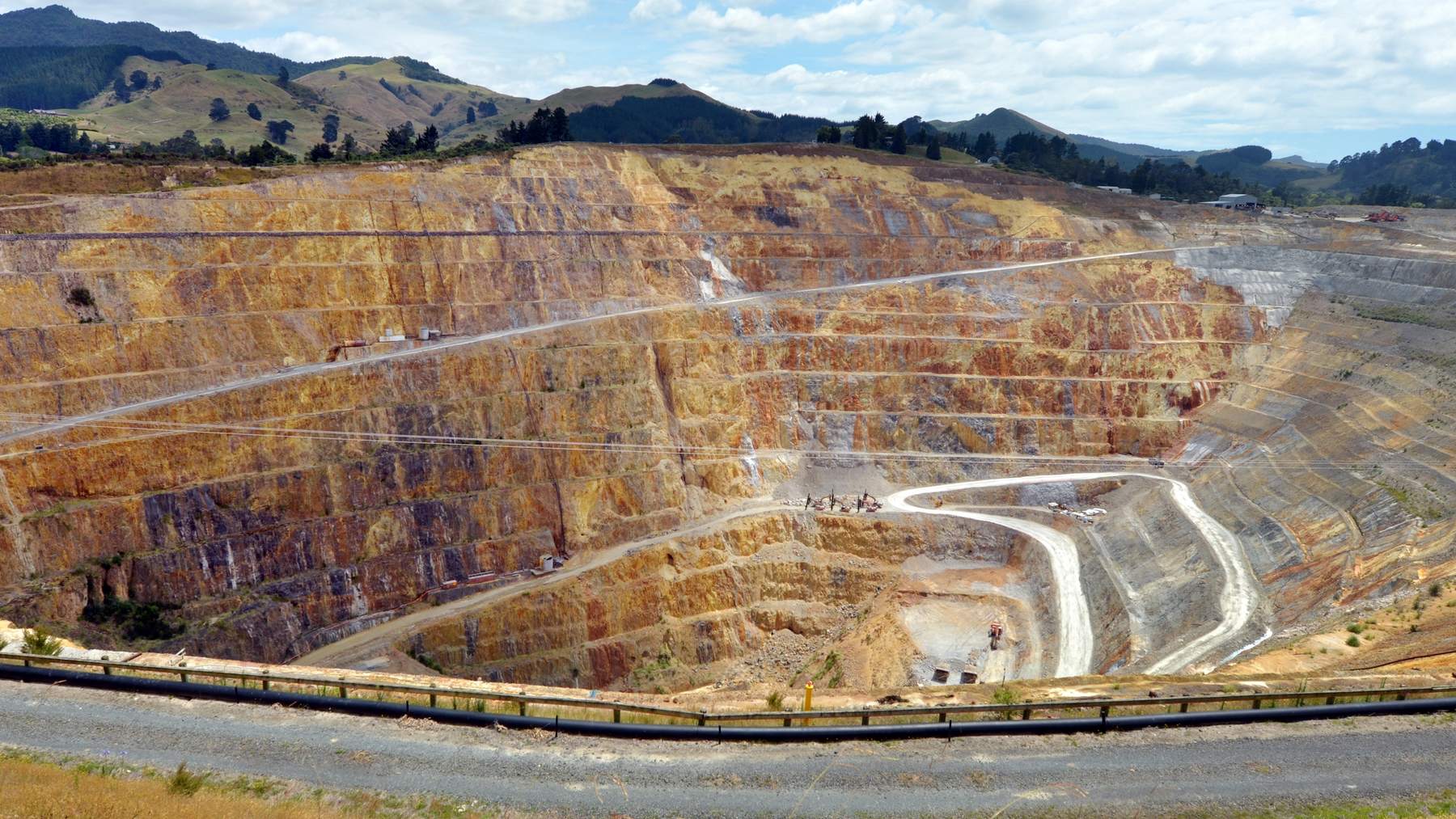
Okay, but what is this mine that can’t be reopened? Well, we’re talking about the Kibali gold mine (different from this diamond mine, which revealed something unusual), which is located in the remote northeast of the Democratic Republic of Congo. It has an estimated 7.2 million tons of resources, is the largest gold mine in Africa, and is also one of the most technically advanced in the world. And who is behind this mine? It is operated by Barrick, with participation from AngloGold Ashanti and the Congolese state-owned company SOKIMO. It’s worth mentioning that the Kibali mine has been impressive for a few reasons:
- More than 80% of the energy consumed at the mine comes from renewable sources.
- US$4.7 billion has already been invested in the local economy.
- The operation finances dozens of social and environmental projects.
- In 2023, it broke a production record and expanded its partnership program with neighboring communities.
If it has so many positive points, why can’t it be reopened? The justification is not in Kibali alone, but in what he represents: a rare example of responsibility within a sector that, structurally, carries profound imbalances.
The paradox of mines
It is quite common to see governments and companies highlighting indicators such as job creation, infrastructure investment, and tax revenue to justify large mining ventures. And, in fact, these numbers exist, but they are concentrated in the short term. What we end up seeing is that over time, the value produced by mines does not translate proportionally into structural social advances.
It is the opposite: many of the countries richest in mineral resources also rank among the lowest in the Human Development Index (HDI). This is where the paradox lies: how can something that generates so much wealth leave so little prosperity? Perhaps we need to focus on other types of mines, such as this one also found in Africa, which promises to save the Earth.
Disclaimer: Our coverage of events affecting companies is purely informative and descriptive. Under no circumstances does it seek to promote an opinion or create a trend, nor can it be taken as investment advice or a recommendation of any kind.