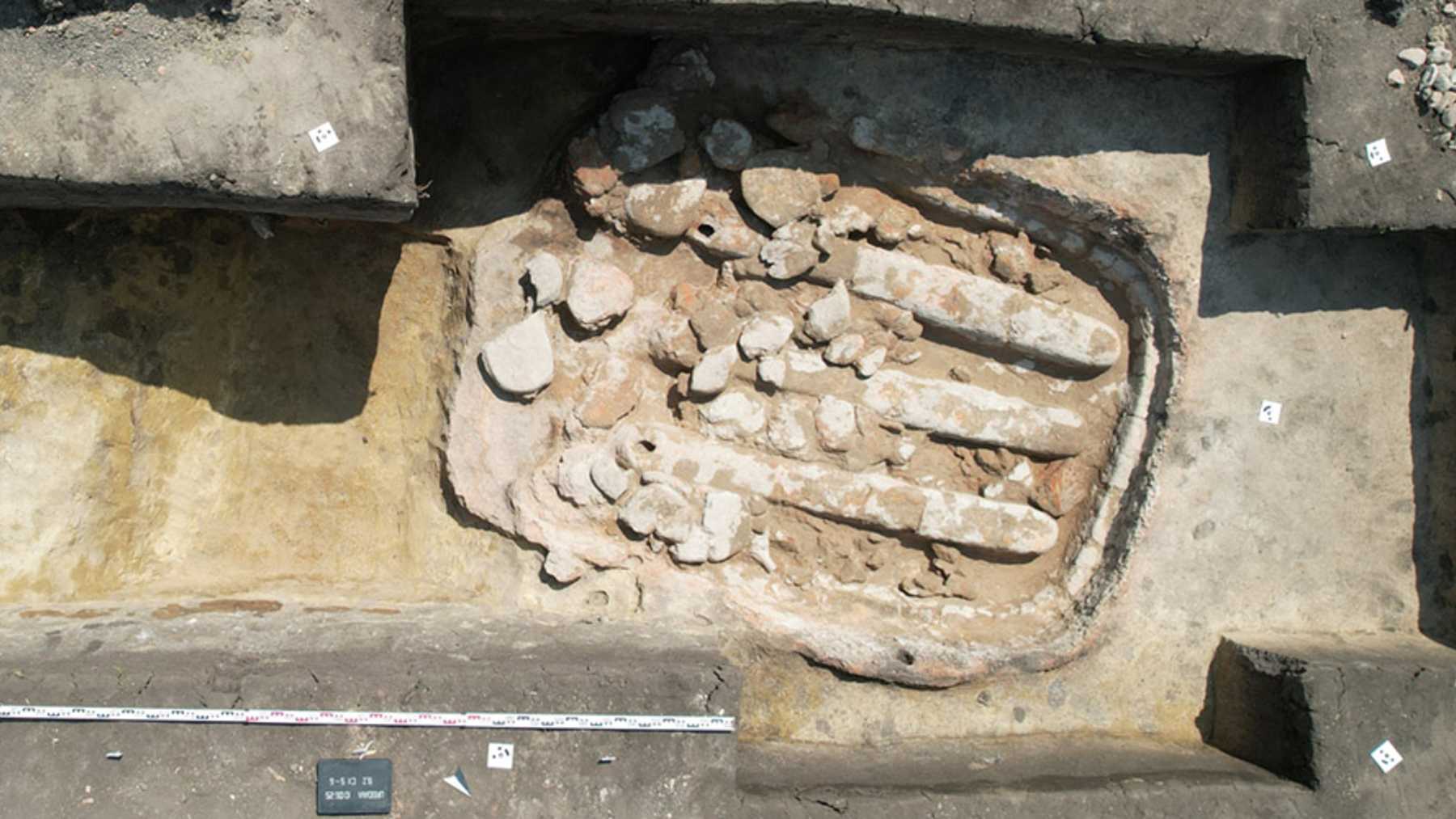
Archaeologists in northeastern Romania have uncovered a pottery kiln whose size suggests its makers were thinking beyond the needs of a single household. Excavated in 2025 at Ursoaia, the roughly 6,000-year-old structure is the largest securely documented example within its Cucuteni-Trypillia kiln tradition.
Its working surface covered about 81 square feet (7.5 square meters), and its builders incorporated removable clay slabs that made components easier to replace. Together with evidence of repeated repairs, these features suggest an installation intended for sustained production, although researchers have yet to establish exactly who used it or whom it supplied.
A large kiln in a small settlement
The discovery began with a magnetic survey in 2024 that mapped a settlement covering nearly 20 acres in Iași County. Researchers identified traces of roughly 60 burned dwellings and at least eight kilns, then excavated a promising signal beside the settlement’s surrounding ditch.
Four radiocarbon dates from associated animal remains place the kiln’s use roughly between 3950 and 3800 BCE. The decorated pottery supports that dating, connecting the site to the Cucuteni-Trypillia communities of what is now Romania, Moldova, and Ukraine.
Most comparable kilns in this tradition had working areas of about 2 to 4 square meters, while the previous largest published example reached approximately 4.6 to 4.8 square meters. Ursoaia’s working surface was therefore more than 50% larger than that earlier benchmark, though larger prehistoric kilns are known from Southwest Asia.
How the two chambers controlled the heat
The builders placed the kiln into the inner slope of the ditch, using the ground for stability and shelter from wind. Its buried lower chamber contained four long fire channels separated by three substantial clay supports.
Those supports and a surrounding ledge held the slab platform, with pottery placed in the chamber above. Hot gases traveled beneath the platform and rose through gaps between the slabs, allowing the potters to manage airflow through the load.
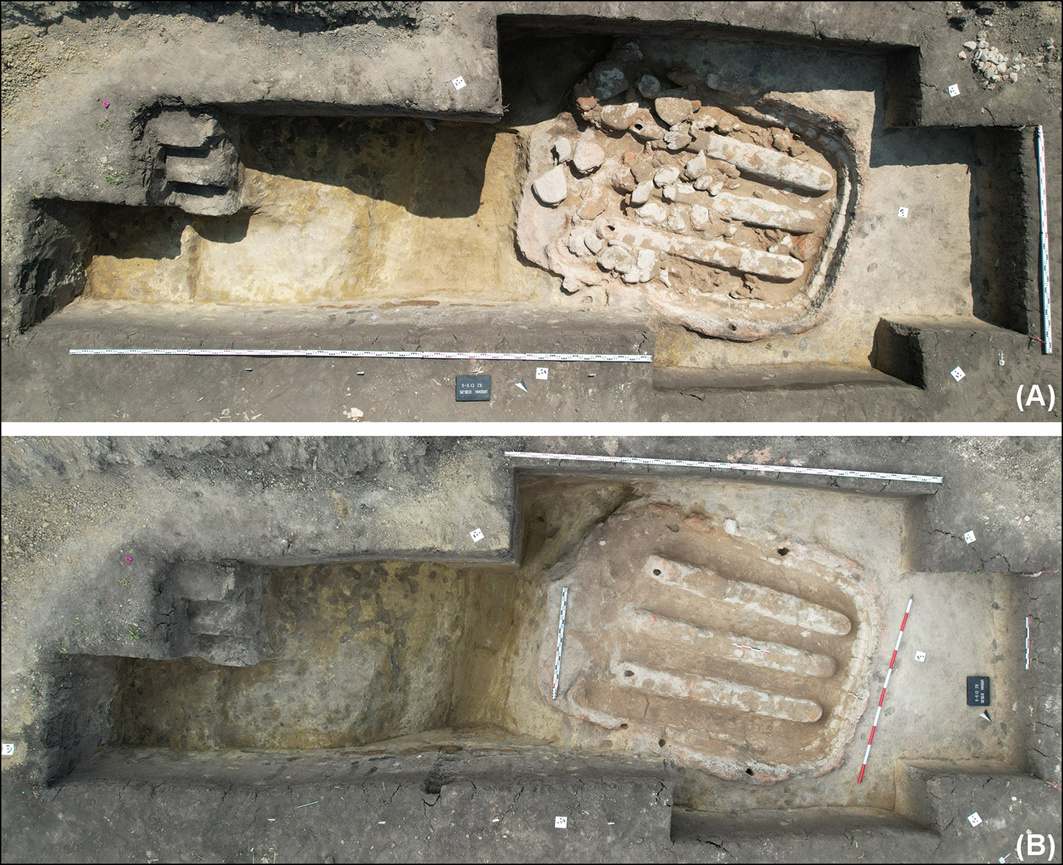
Think of the challenge of heating an oven evenly, but on a much larger scale and without a thermostat. From the surviving structure and fragments of its vaulted top, the researchers cautiously estimate an original height of about 7 to 8 feet and an upper chamber volume of roughly 424 cubic feet (12 cubic meters).
Replaceable parts were part of the design
The individual slabs measured about 24 inches long, 14 inches wide, and 3 inches thick. Their arrangement provided a sturdy surface for vessels while allowing components to be removed and replaced, an especially useful feature in equipment repeatedly exposed to intense heat.
Repair patches and added layers of clay on the floor, walls, and supports indicate maintenance across multiple firing cycles. These traces give the kiln a history of continued use, strengthening the researchers’ interpretation that its size reflected a lasting investment in pottery production.
For readers accustomed to replacing a worn appliance part, the practical logic feels familiar. Here, the archaeological significance lies in the combination of repairable construction and evidence that people actually maintained the installation.
What the clay reveals about temperature
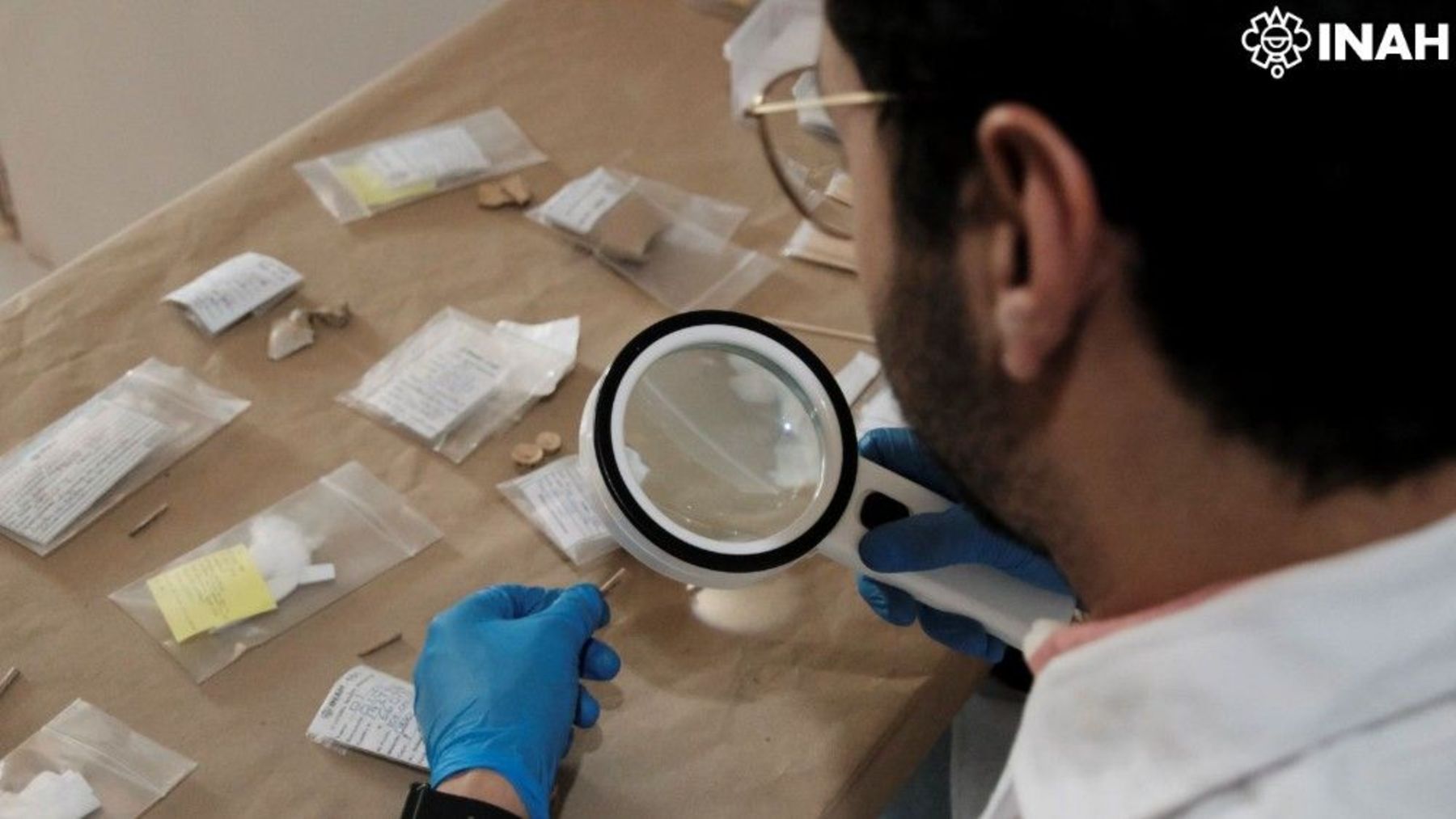
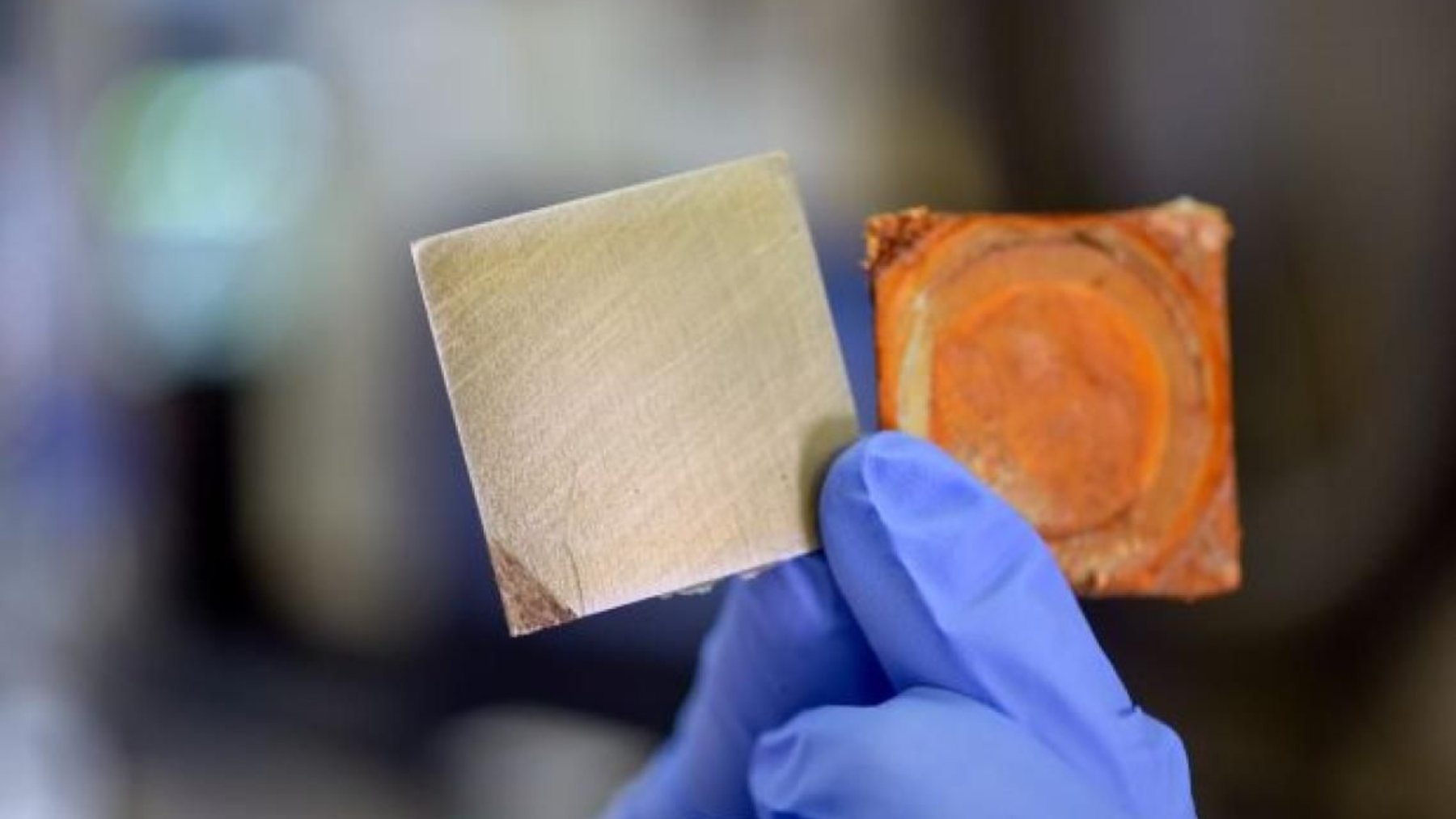
To investigate firing conditions, the team examined kiln materials and pottery fragments using electron microscopy and elemental analysis. Changes in the clay provide clues to past heating, although they cannot serve as precise thermometer readings.
The slabs were consistent with exposure to approximately 1,470 to 1,650°F (800 to 900°C), while partially glassy areas elsewhere may indicate local peaks reaching about 2,010°F (1,100°C). Raw materials, heating duration, and conditions inside the kiln all affect those estimates, so the evidence does not establish one temperature throughout the structure.
The findings support the researchers’ proposed sequence of preheating, loading in stages, holding the heat, and cooling under control. In that interpretation, successful firing depended on managing a long process as well as building a large chamber.
A workshop beyond the household?
What does all this say about the people behind the pottery? Diana Măriuca Vornicu and her coauthors write that production “likely moved beyond domestic requirements,” suggesting that some ceramic work may have been becoming more specialized.
Several kilns within a relatively small settlement strengthen that possibility, but their presence alone cannot show how labor was organized. The study does not establish how many vessels each firing produced, whether the kilns operated together, or whether pottery was distributed to neighboring settlements.
Further investigation of Ursoaia and its surroundings could help determine whether this was a community workshop and how it fit into the wider economy. The study was published on September 9, 2026, in Antiquity on Cambridge Core.
Image: Vornicu et al., Antiquity (Cambridge University Press)