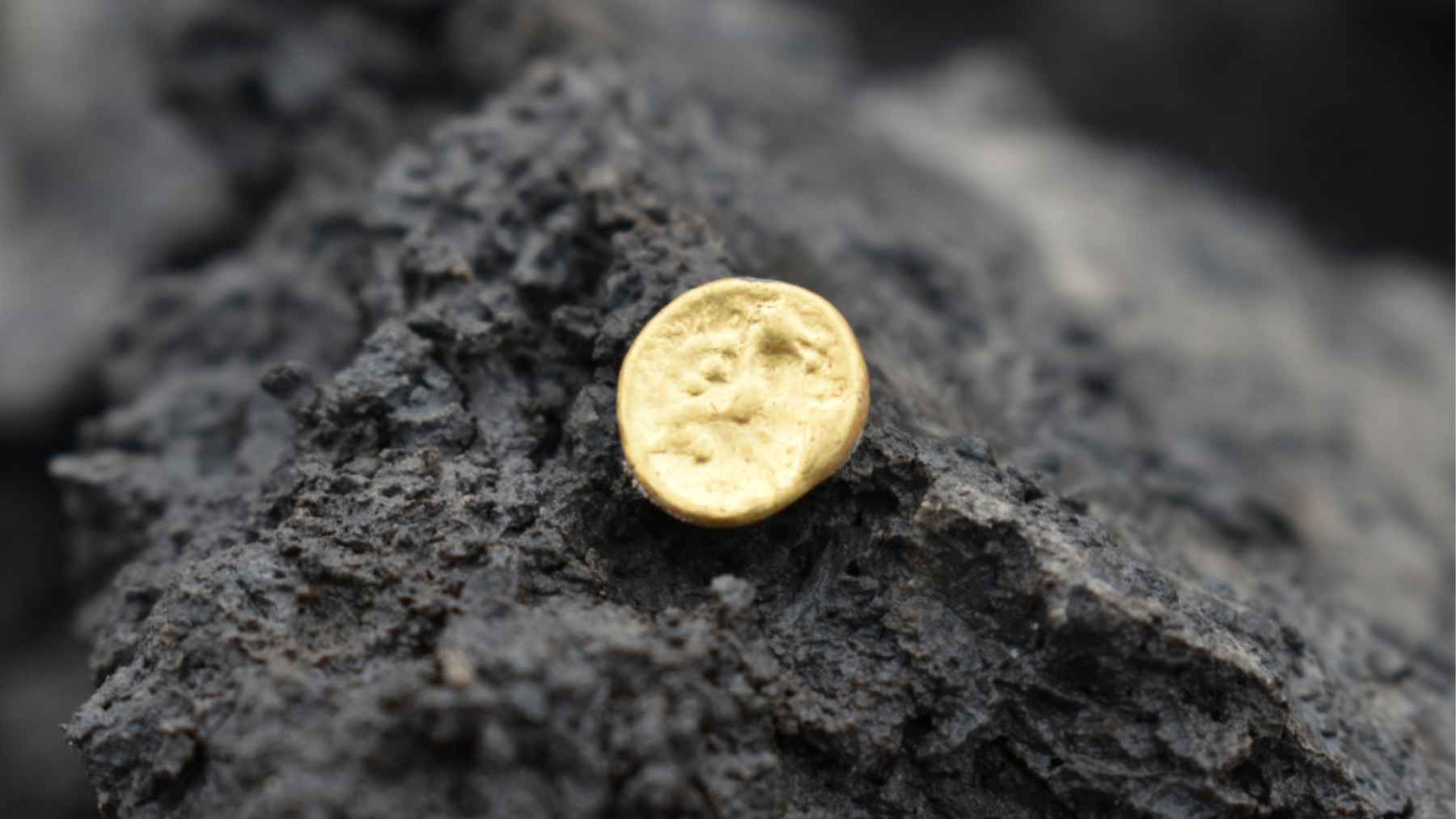
A future highway in the Czech Republic has led archaeologists to something far older than asphalt, traffic lanes, and road signs. Beneath the planned D35 highway route near Hradec Králové, researchers uncovered a 2,200-year-old settlement filled with gold and silver coins, jewelry, amber, pottery, workshops, and traces of daily life.
The find is not just a pile of ancient treasure. It points to a busy Celtic trade and production center that once sat along a major amber route linking northern Europe with the Mediterranean world. In other words, this was not a quiet farming village. It was a place where goods, ideas, and people likely moved through Central Europe long before modern borders existed.
A highway leads to ancient gold
The discovery came during archaeological work before construction on the future D35 highway. That routine survey changed quickly when crews began finding objects that hinted at something much larger under the soil.
Lead archaeologist Matouš Holas, from the Museum of Eastern Bohemia, said the first finds showed the team that they had found “something big.” He also noted that, without the highway project, the settlement likely would have stayed hidden.
The site lies in the Bohemia region, near Hradec Králové. Reports describe it as covering roughly 62 acres, about the size of 47 football fields, making it far larger than many Iron Age settlements known from the area.
Thousands of finds
So, what exactly came out of the ground?
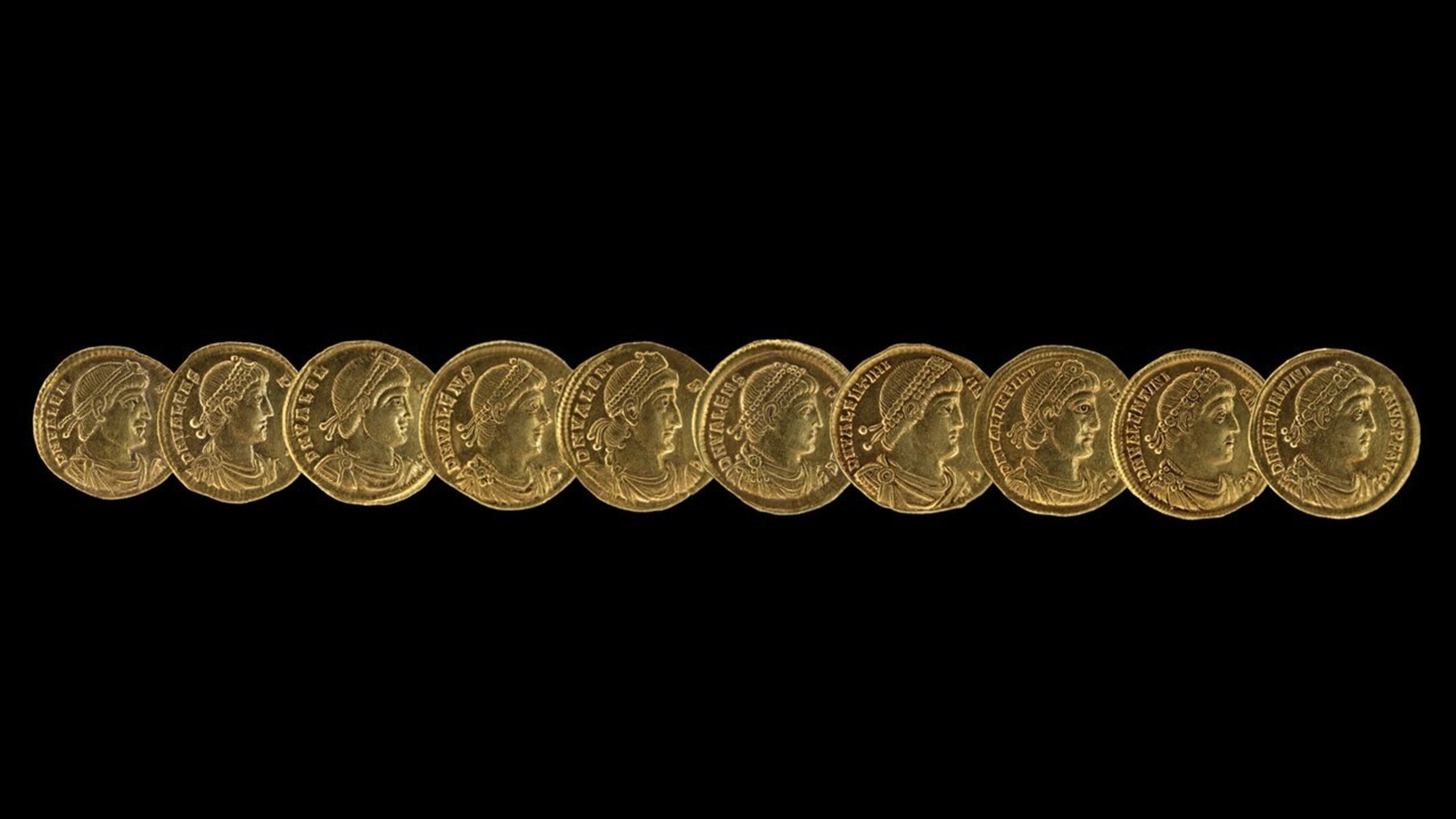
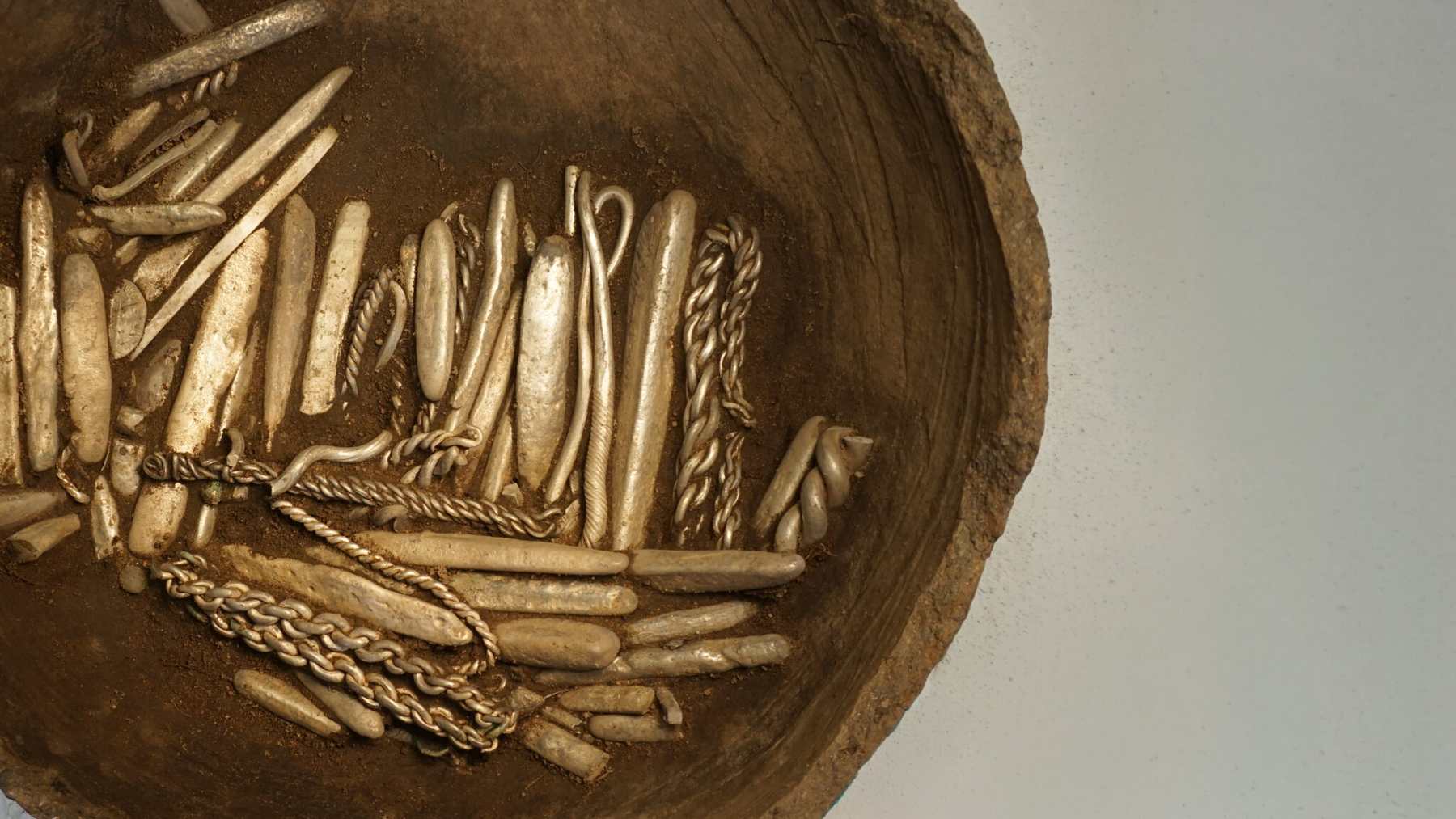
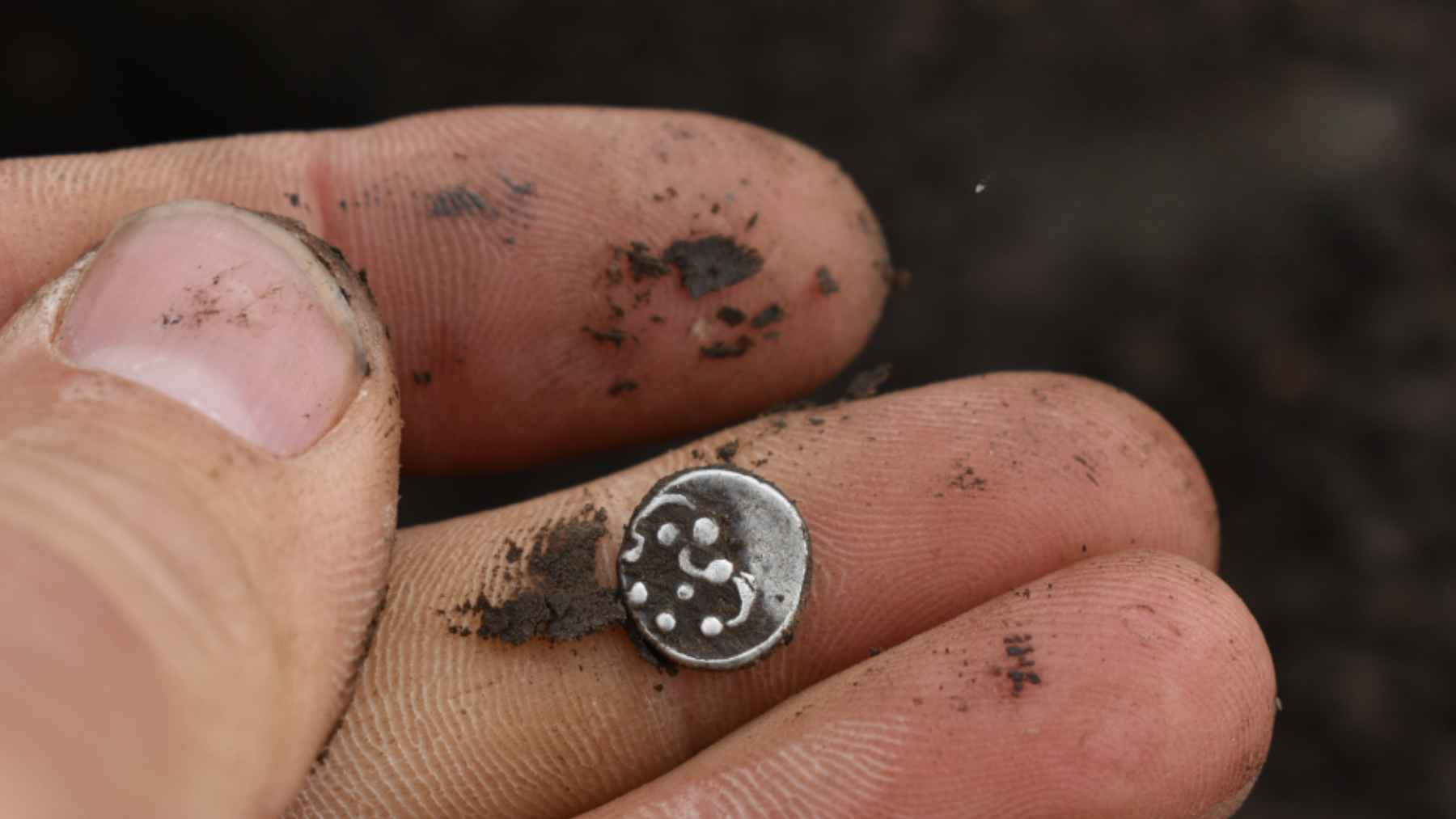
Archaeologists recovered gold and silver Celtic coins, bronze and iron brooches, glass beads, belt pieces, fragments of armlets, amber, pottery, metal vessels, mirror pieces, and building remains. The official museum statement also mentions coin-making tools, production areas, dwelling foundations, and what may have been one or two sanctuaries.
The amount of material was striking. The Museum of Eastern Bohemia reported about 22,000 bags of finds, while other summaries of the excavation have referred to more than 13,000 bags collected during the work. Either way, the scale is enormous for this part of Europe.
More than treasure
Gold always grabs attention. However, for archaeologists, the workshops may be just as important as the coins.
The remains of production spaces suggest that people at the settlement were making goods, not just passing them along. Luxury ceramics, glass items, metal objects, and coin-related tools point to skilled craft workers who helped turn the community into a regional hub.
Think of it less like a buried treasure chest and more like an ancient marketplace with workshops attached. People may have come here to trade, repair, buy, sell, or move valuable goods onward.
The Amber Road connection
One of the most telling clues is amber. Amber is fossilized tree resin, and in ancient Europe much of it came from the Baltic region.
The settlement appears to have been linked to the Amber Road, a network of trade routes that moved amber and other goods across the continent. Tomáš Mangel, an archaeologist at the University of Hradec Králové, said the finds prove long-distance contacts and show that one branch of the route passed through the area.
That matters because amber was not just pretty. It was valuable, portable, and popular for jewelry. Finding it alongside coins and luxury ceramics helps explain why this settlement may have been a major stop between northern Europe and the Mediterranean.
A settlement without walls
One detail stands out. The settlement was not fortified.
Many large ancient sites had defensive walls, gates, or other barriers. Here, archaeologists did not find that kind of protection, which suggests the community’s importance may have rested more on trade and production than on military power.
That does not mean life was peaceful all the time. Ancient Europe could be unstable. However, this site seems to have operated, for the most part, as a commercial crossroads rather than a fortress.
Who lived there?
The settlement belongs to the La Tène period, a Late Iron Age culture often connected with the Celts. La Tène culture is known for intricate metalwork, flowing decorative patterns, trade links, and craft production across parts of Europe.
Bohemia has long been associated with the Boii, a Celtic group whose name is tied to the region. However, researchers are careful here. No inscriptions, graves, or clear tribal markers have confirmed which group lived at the Hradec Králové site.
Mangel has warned that recent research only allows scholars to say the Boii lived “somewhere in Central Europe.” That leaves the identity of this settlement’s people open, which is frustrating but honest. Archaeology does not always hand over neat answers.
A quiet disappearance
The settlement seems to have faded around the first century B.C. What happened?
For now, there is no clear sign of a violent end. Researchers have not reported burned destruction layers, mass graves, or evidence of a major attack at the site. Holas told reporters that the disappearance does not look violent.
That leaves other possibilities on the table. Trade routes may have shifted, the local economy may have weakened, or environmental pressures may have made life harder. Sometimes a town does not fall in one dramatic moment. Sometimes it simply empties out.
Why this discovery matters
The excavation was carried out by the Museum of Eastern Bohemia, the University of Hradec Králové, and Archaia Praha. Maciej Karwowski, an archaeologist at the University of Vienna, has noted that the luxury goods match patterns seen at other stops along the amber trade corridor.
That wider context is what makes the site so valuable. It helps researchers understand how ancient Central European communities organized trade, craft production, and social life before large fortified towns became more common.
For the rest of us, the discovery offers a simple reminder. Beneath fields, roads, and future highways, whole chapters of human history can sit quietly for centuries. Then one construction project pulls back the curtain.
The official discovery statement has been published on the Museum of Eastern Bohemia in Hradec Králové’s website.