A burial cave on Gran Canaria appears to have started life as a place to keep grain, and its smallest inhabitants helped reveal the change. Researchers studying thousands of preserved insect remains found evidence of an Indigenous food store later converted into a resting place for the dead, with some grain pests apparently surviving the transition.
The study, published September 17, 2026, in Antiquity, also offers a fresh look at how people treated bodies at Cruz de la Esquina. The insects suggest the dead were brought inside soon after death and decomposed there, challenging the idea that they underwent prolonged outdoor drying before being placed in this cave.
A different history beneath the floorboards
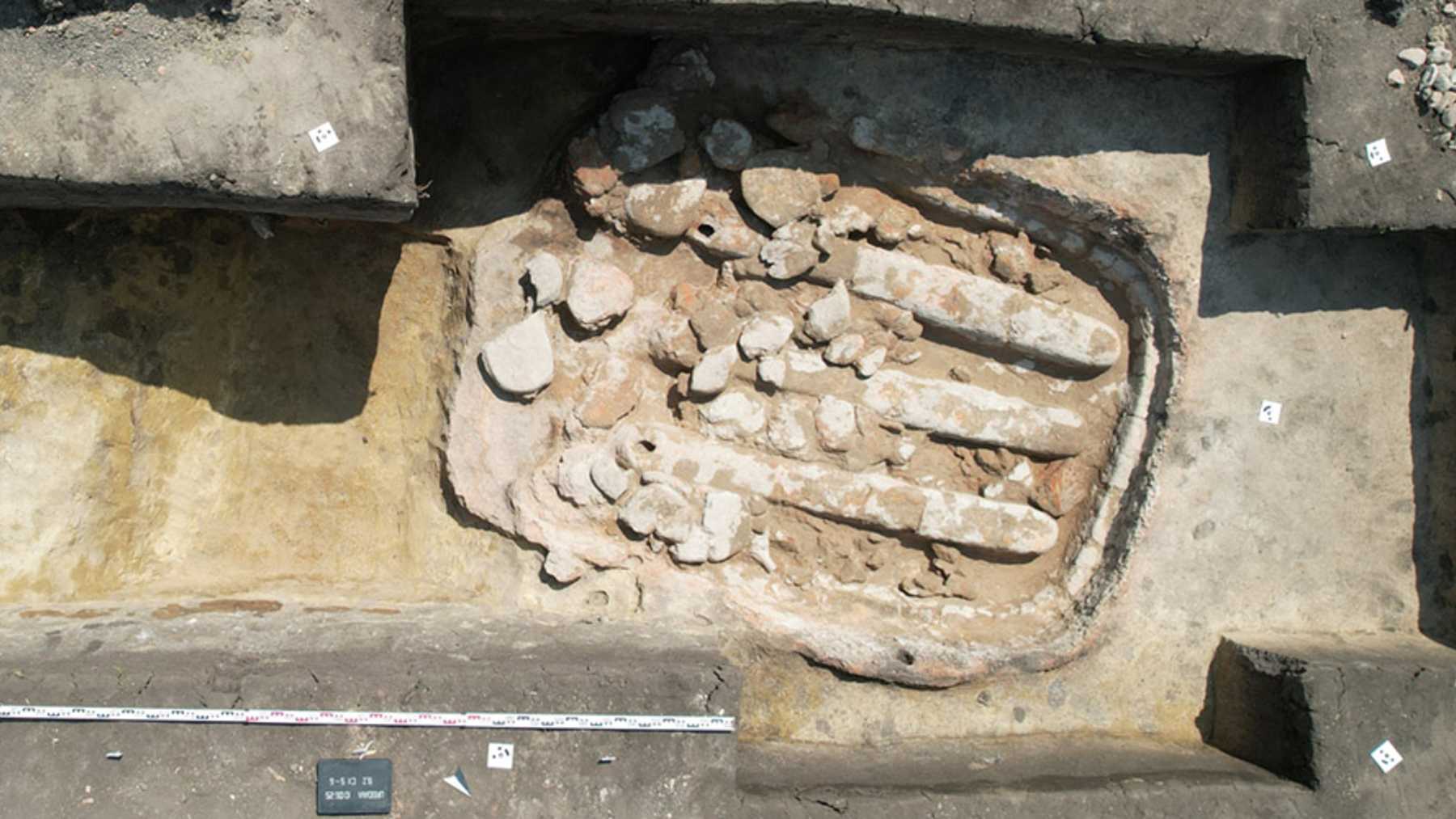
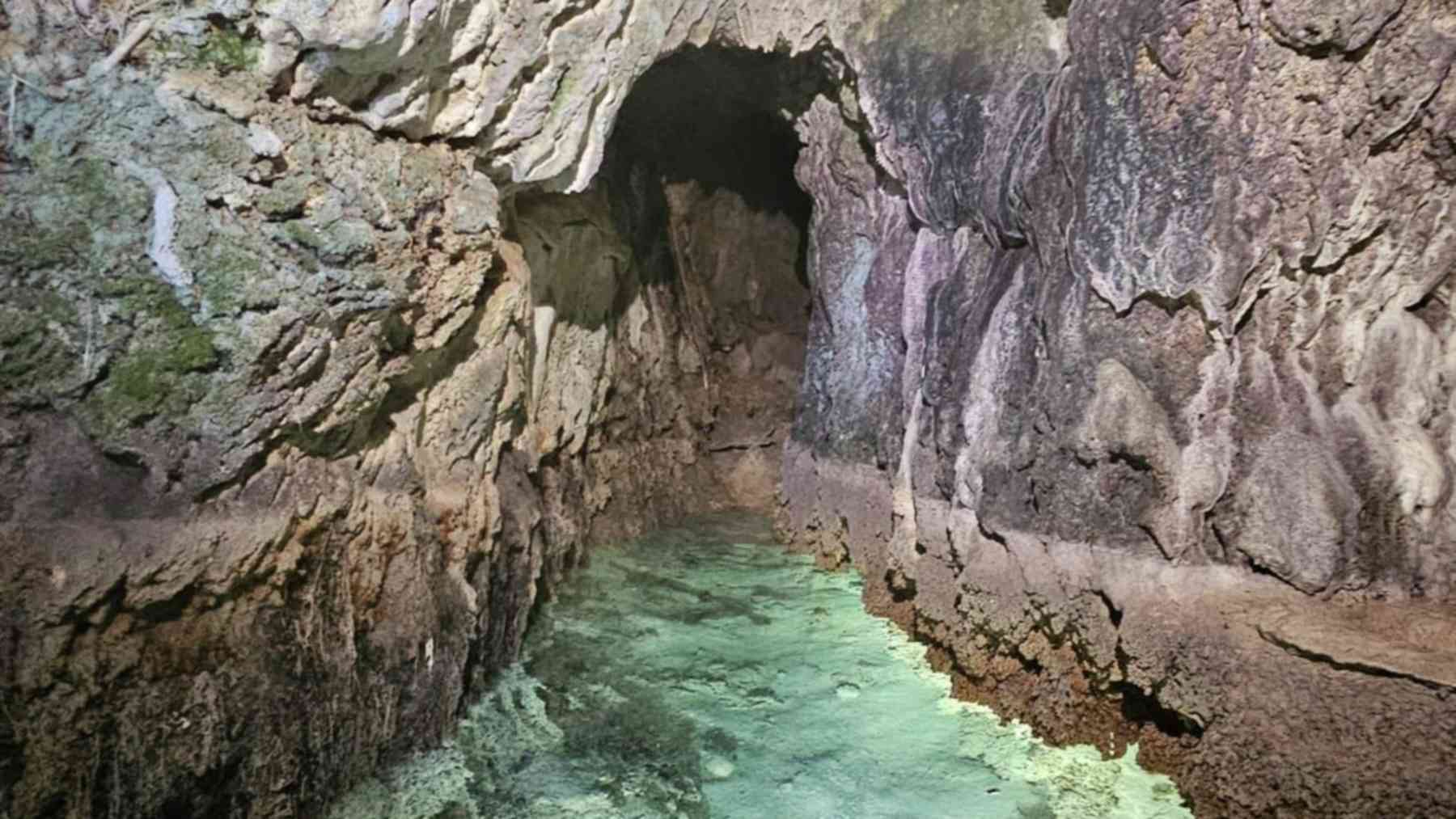
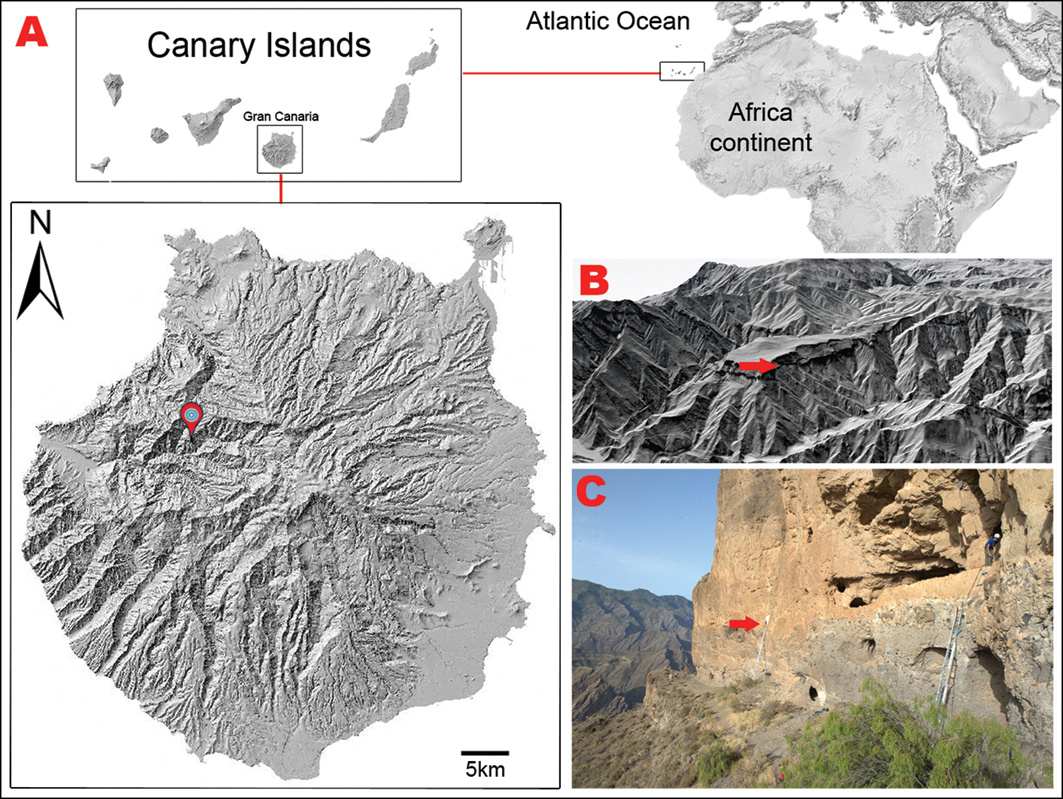
Cruz de la Esquina sits on the Acusa plateau in a complex of roughly 20 artificial caves carved into volcanic rock. Discovered during survey work in 2001, the burial cave contains two chambers and a wooden platform that supported the bodies.
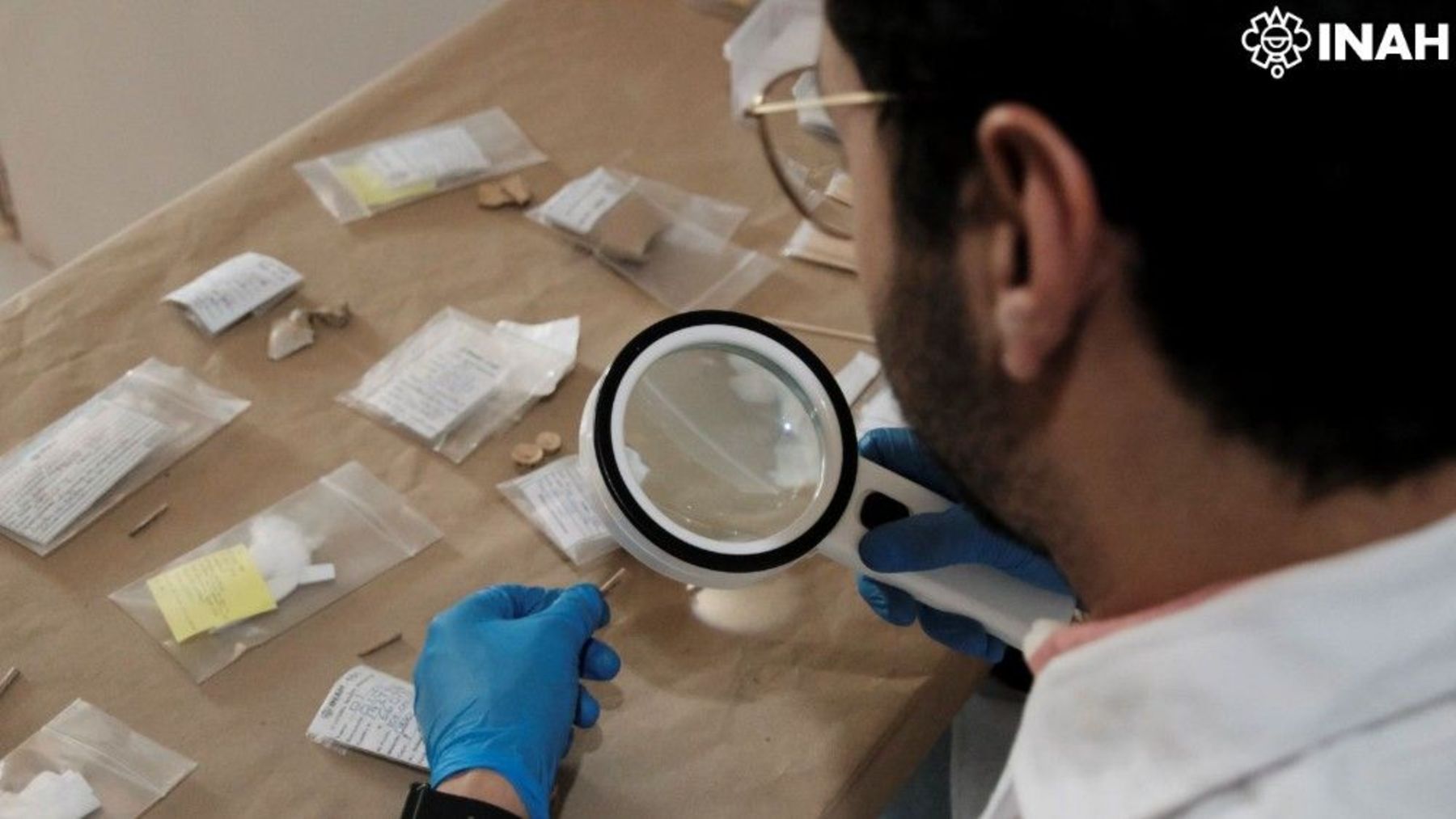
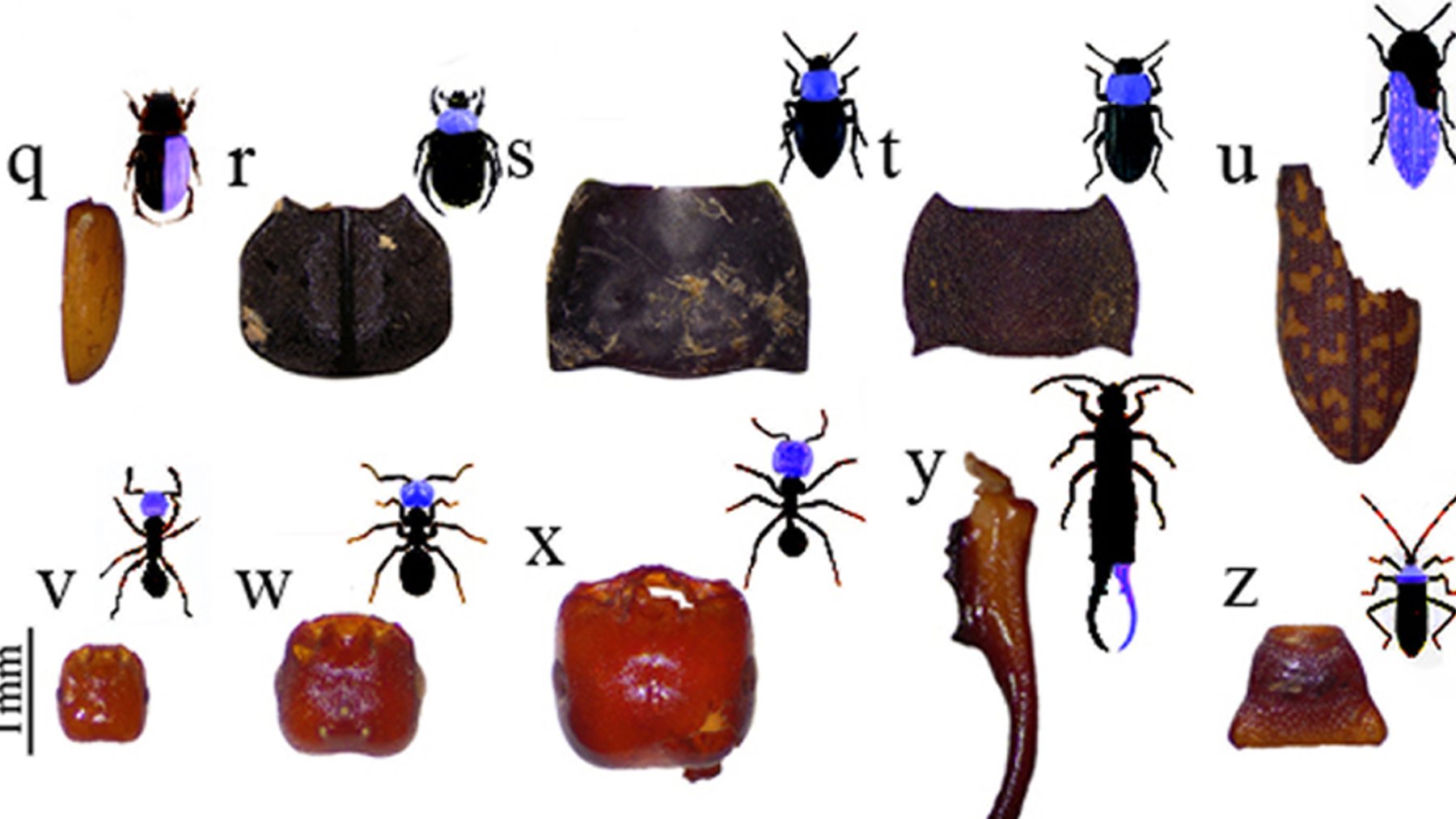
To investigate its history, the team examined 43 sediment samples and recovered 8,173 arthropod remains, including insects and arachnids. These represented at least 5,792 individuals, and 83% of the remains came from beneath the wooden boards, where tiny traces of the cave’s past had survived alongside other organic material.
The grain pests that gave the game away
Why would insects associated with stored food turn up in a burial chamber? Storage pests accounted for 21% of the insects identified and appeared in 76% of the sediment samples, a widespread pattern that the researchers interpret as evidence of an earlier granary.
The most abundant storage pest was the granary weevil, Sitophilus granarius, whose larvae feed inside cereal grains. This beetle cannot fly, and its spread depends on people transporting infested material, making it a useful clue to past food storage and movement.
Other species fed on damaged grain or materials commonly found in storerooms, adding weight to the interpretation. Anyone who has discovered bugs in a bag of grain knows the basic problem, but here the pests preserved evidence of a vanished pantry for more than a millennium.
A change of purpose with grain left behind
Seven radiocarbon measurements, taken from materials including human bone, insects, plant fiber, and a barley seed, placed the cave’s use broadly between the seventh and ninth centuries AD. Modeling of those dates supports storage preceding burial, with a relatively quick transition, although the overlapping date ranges cannot identify an exact conversion year.
The researchers suggest that a wooden burial platform was built over remnants of stored cereals, allowing pests to keep feeding and reproducing after the space changed purpose. The cave’s layout also resembles earlier, simple granaries, while a larger interconnected storage structure was established only about 66 feet away.
Flies help reconstruct the burial process
The human remains presented a harder puzzle because most bones were scattered when the cave was found, obscuring their original arrangement. Fragments of plant textiles and hides suggest the bodies had been wrapped, but the insect evidence helped reconstruct what happened after they arrived.
Blowflies and flesh flies, which typically colonize bodies early in decomposition, were abundant, while other flies and beetles represented subsequent stages. Together, these groups support the interpretation that decomposition occurred inside the cave, with the authors concluding that “bodies were placed in the cave immediately after death.”
This finding addresses a specific question about this burial place and does not establish one practice for every Indigenous community across the Canary Islands. Insect activity varies with temperature, season, access to a body, and other conditions, so the pattern needs to be read alongside the archaeological evidence.
Could the insects have arrived with offerings?
The researchers considered whether cereal offerings accompanying the dead could explain the storage pests. They favor the former-granary explanation because of the insects’ diversity and widespread distribution, together with the absence of grain concentrations or storage containers that would directly support such offerings.
Cereal straw used in wrapping bodies or preparing the platform offers another possible explanation. But the documented funerary bundles on Gran Canaria typically involved materials such as rush fibers and leather, without an established association with cereal straw.
Small remains preserve a larger story
The study shows how insect ecology can help explain changes in the way people used a place, connecting food storage with burial practices. It also illustrates why the sediment beneath an archaeological feature deserves attention, since a beetle fragment or a fly’s pupal casing can supply information that scattered bones alone cannot.
At Cruz de la Esquina, those small remains offer evidence of both a former grain store and the treatment of the dead who later occupied it. The study was published in Antiquity on Cambridge Core.
Image: Antiquity (Cambridge University Press)