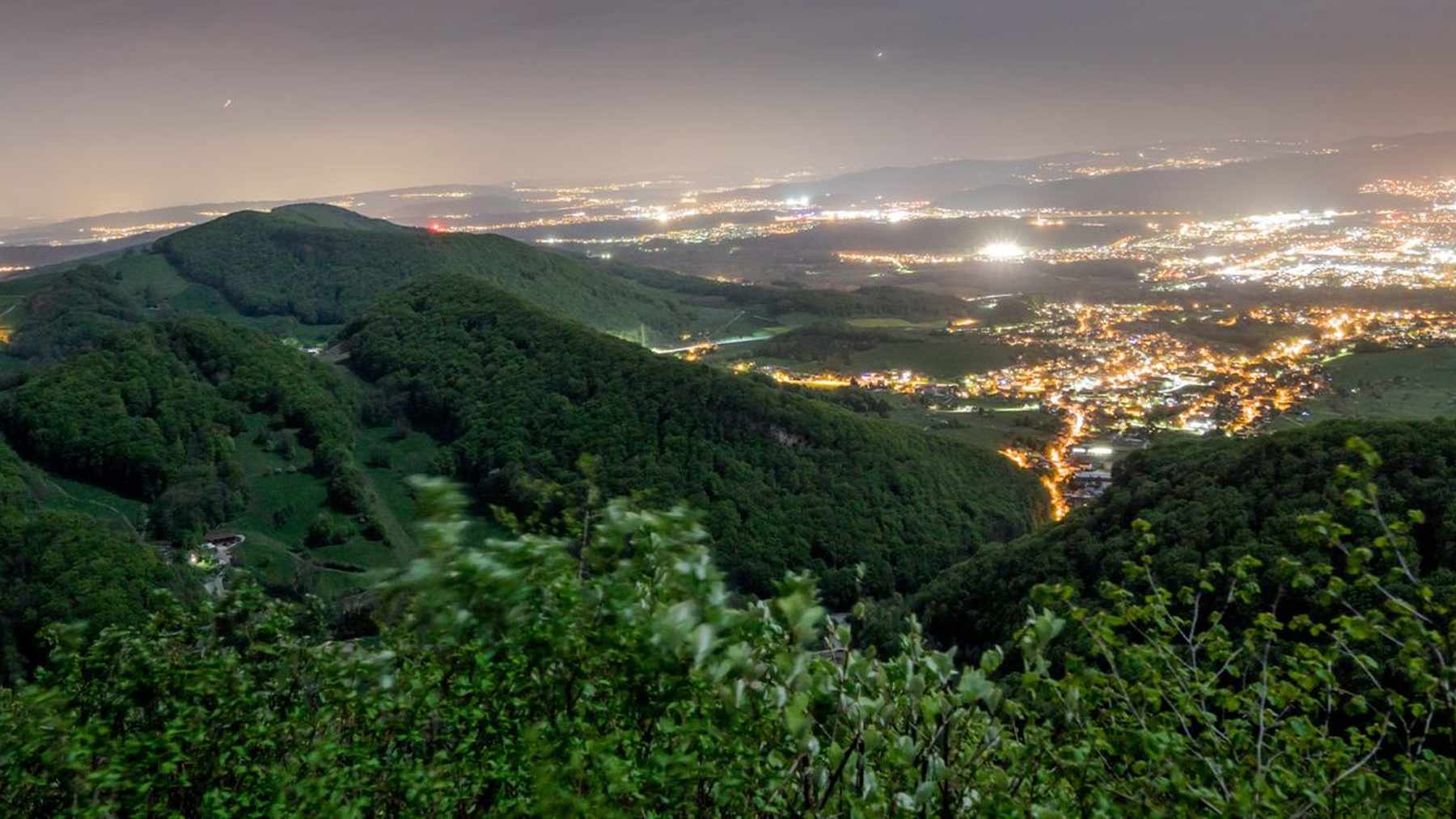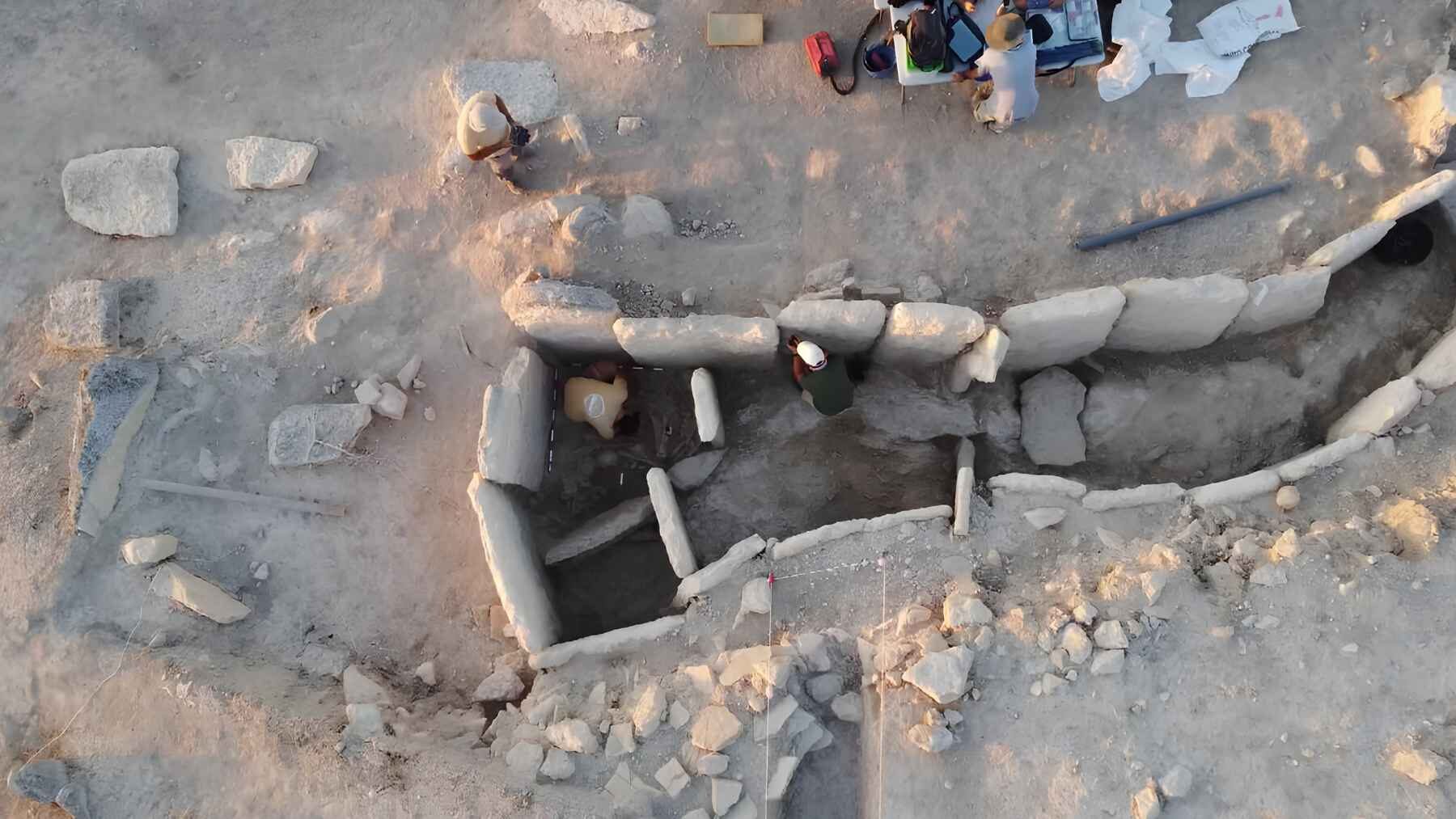
Deep in southern Spain, a 5,000-year-old collective tomb stretching 43 ft. is revealing how prehistoric communities honored their dead. Located at the La Lentejuela necropolis near Teba, Dolmen I is a monumental stone structure engineered not as a hidden gold vault, but as an enduring monument connecting generations of ancestors.
Despite headlines saying it was “filled to the brim with ancient treasures,” the primary announcement does not describe a cache of gold. The interest lies in its context, with human remains and objects made from ivory, amber, marine shells, and flint preserved well enough to illuminate burial customs, prestige, and long-distance connections more than 5,000 years ago.
A tomb built to endure
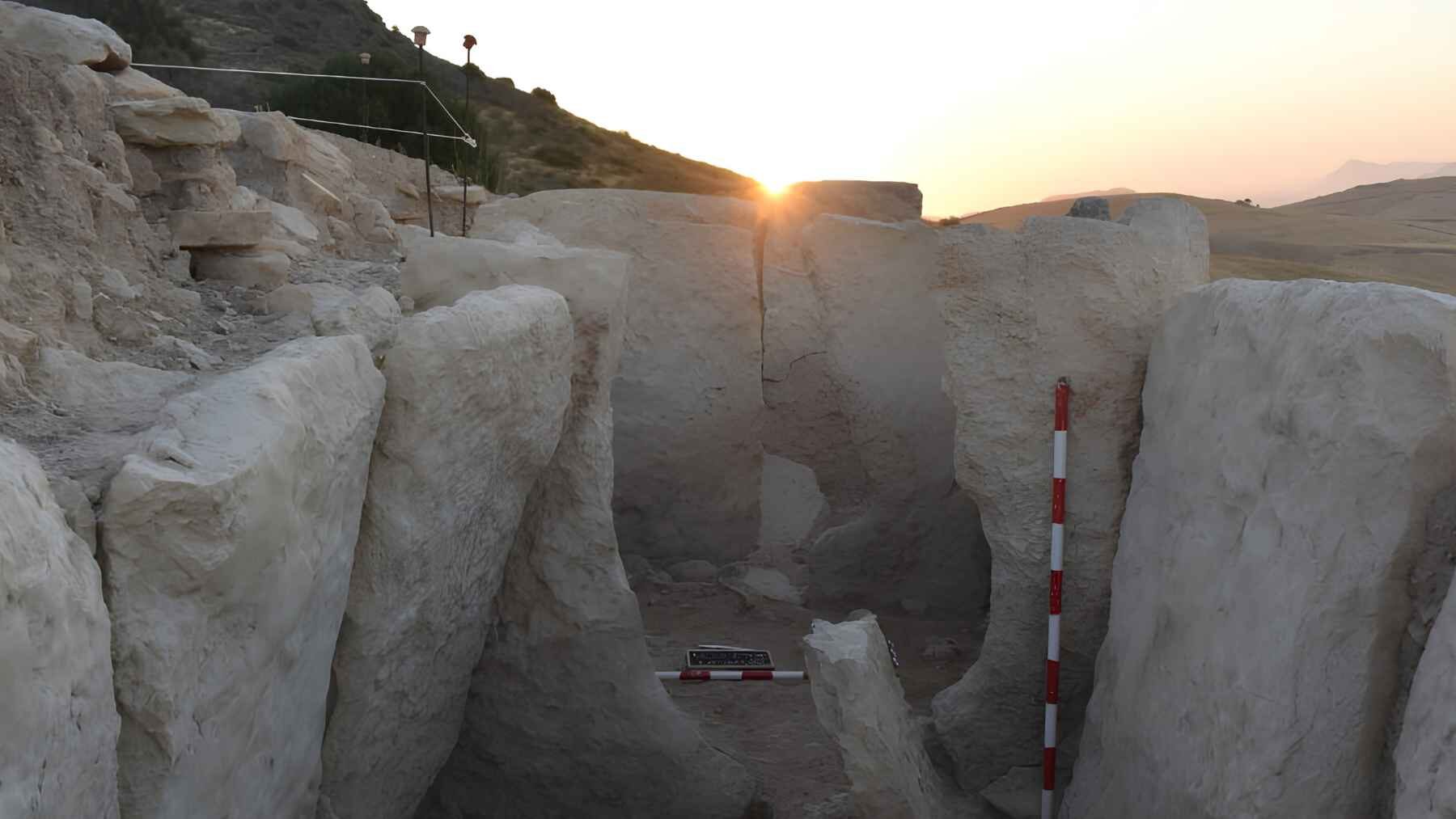
University of Cádiz researchers say Dolmen I may rank among the most monumental and complete dolmens in Andalusia. Its complex interior was divided into several spaces, while upright stones, roof slabs, and a mound of earth and smaller rocks formed a carefully engineered collective tomb.
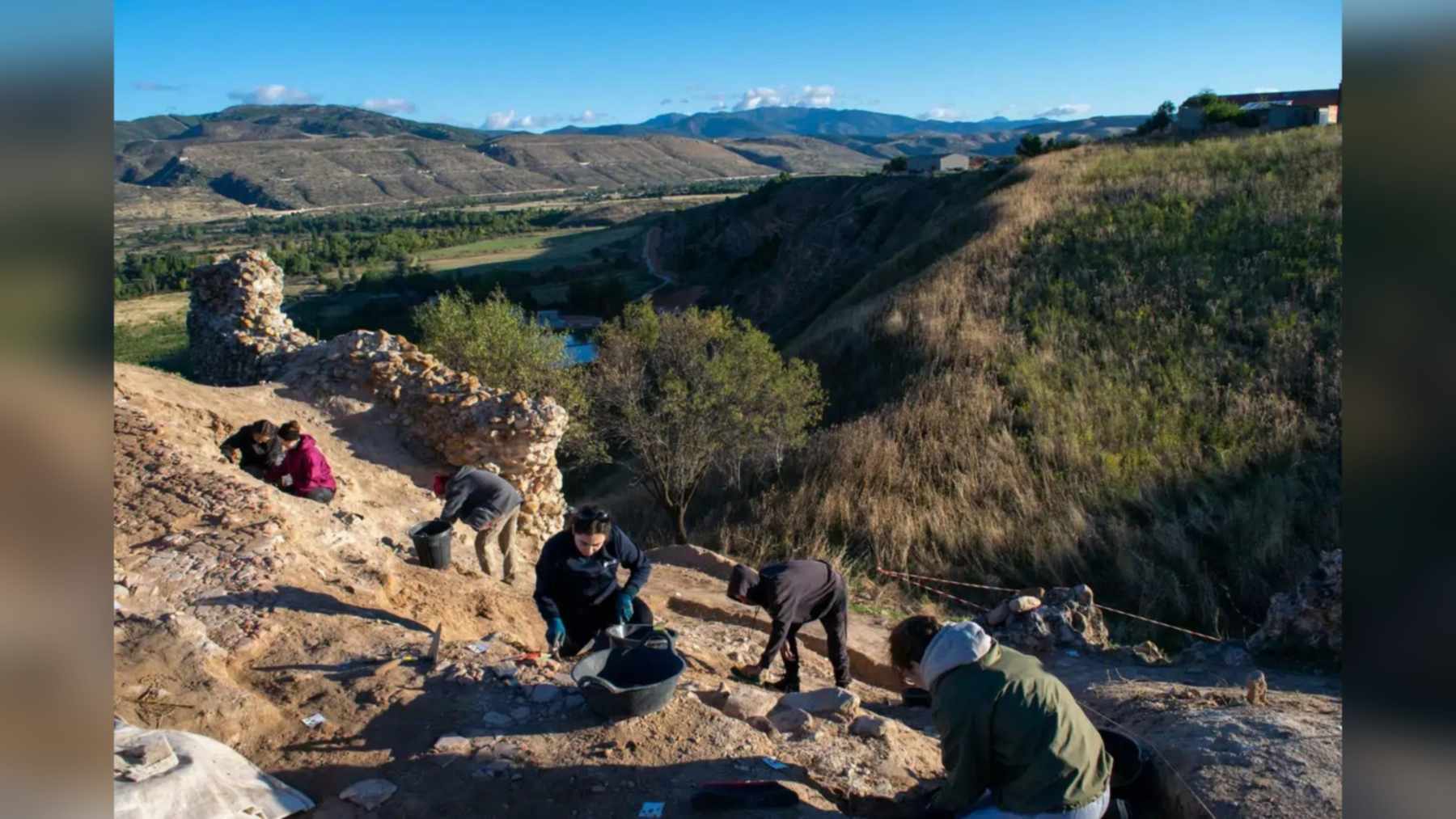
This was architecture meant to outlast a lifetime. Peer-reviewed work at La Lentejuela describes a broader landscape of dolmens, stone circles, and menhirs, with modern surveys revealing a cemetery far more complex than early records suggested.
What archaeologists found
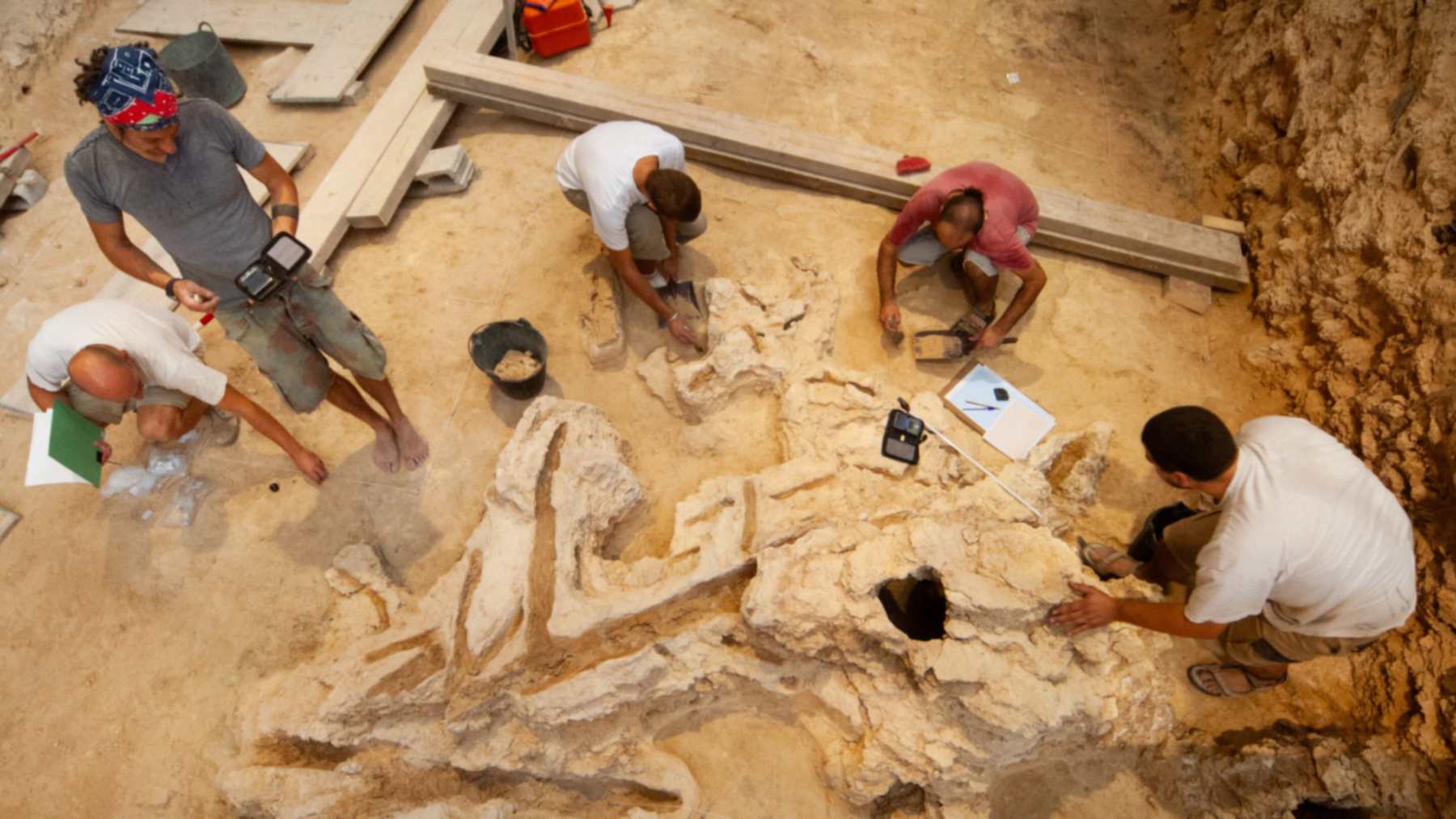
Across four excavation campaigns, archaeologists documented several ossuaries, or spaces containing accumulated human bones, together with high-status grave goods. The finds include flint arrowheads, large blades, an exceptional halberd, ivory, amber, and marine shells.
Those objects were deliberately placed with the dead, so their archaeological value goes far beyond appearance or price. They offer clues about ritual choices and skilled production, but they do not by themselves prove exactly who held power or how the community was organized.
Why the seashells matter
What does a seashell do in an inland tomb? University of Cádiz archaeologist Juan Jesús Cantillo said the shells reflect “the importance of the sea as an element of prestige” and indicate long-distance exchange networks.
Amber and ivory reinforce the picture of a connected society, but caution matters. The official release identifies exotic materials without publishing definitive origins for each object, so claims that they came from particular distant regions should wait for archaeometric results.
A cemetery used for generations
La Lentejuela was not created in one brief episode. The peer-reviewed research documents different monument types and evidence that Dolmen I was revisited during the Bronze Age, showing that the place remained meaningful after its earliest construction and burial phases.
This multi-generational timeline changes how archaeologists interpret the site. Rather than a sealed snapshot of one funeral, it appears to have been a landscape of memory that people returned to, reused, and reshaped over time.
Part of a remarkable landscape
La Lentejuela lies about 25 miles from the Antequera Dolmens, a UNESCO World Heritage site whose monuments were built from massive stone blocks during the Neolithic and Bronze Age. Together with the megalithic remains around Ronda, that proximity places Teba within an unusually rich prehistoric landscape in southern Iberia.
These structures were more than stone containers for bones. The researchers suggest that chambers, mounds, standing stones, and prominent terrain helped turn burial grounds into landmarks connecting ancestors, territory, and community.
Digital tools preserve the evidence
The team used drone photography, photogrammetry—stitching overlapping photographs together to build 3D digital models—laser scanning, GPS, and 3D modeling to document La Lentejuela. Those records matter because many excavated structures are expected to be reburied for conservation, while digital twins can remain available for measurement, comparison, museum displays, and virtual exploration.
Reburial protects structures that cannot remain permanently exposed. Detailed models also allow researchers to revisit the architecture without repeatedly disturbing the monument itself.
The next answers may come from the lab
The next major discoveries may come from human remains rather than another spectacular object. Fundación Palarq lists a University of Cádiz project using radiocarbon dating and strontium-isotope analysis to investigate the cemetery’s chronology and human mobility, although its results should not be assumed before publication.
For now, Dolmen I’s greatest treasure is its exceptional context, an unusually intact record of how prehistoric communities honored their dead and connected inland Andalusia with a wider world.
The official statement was published on the University of Cádiz website.