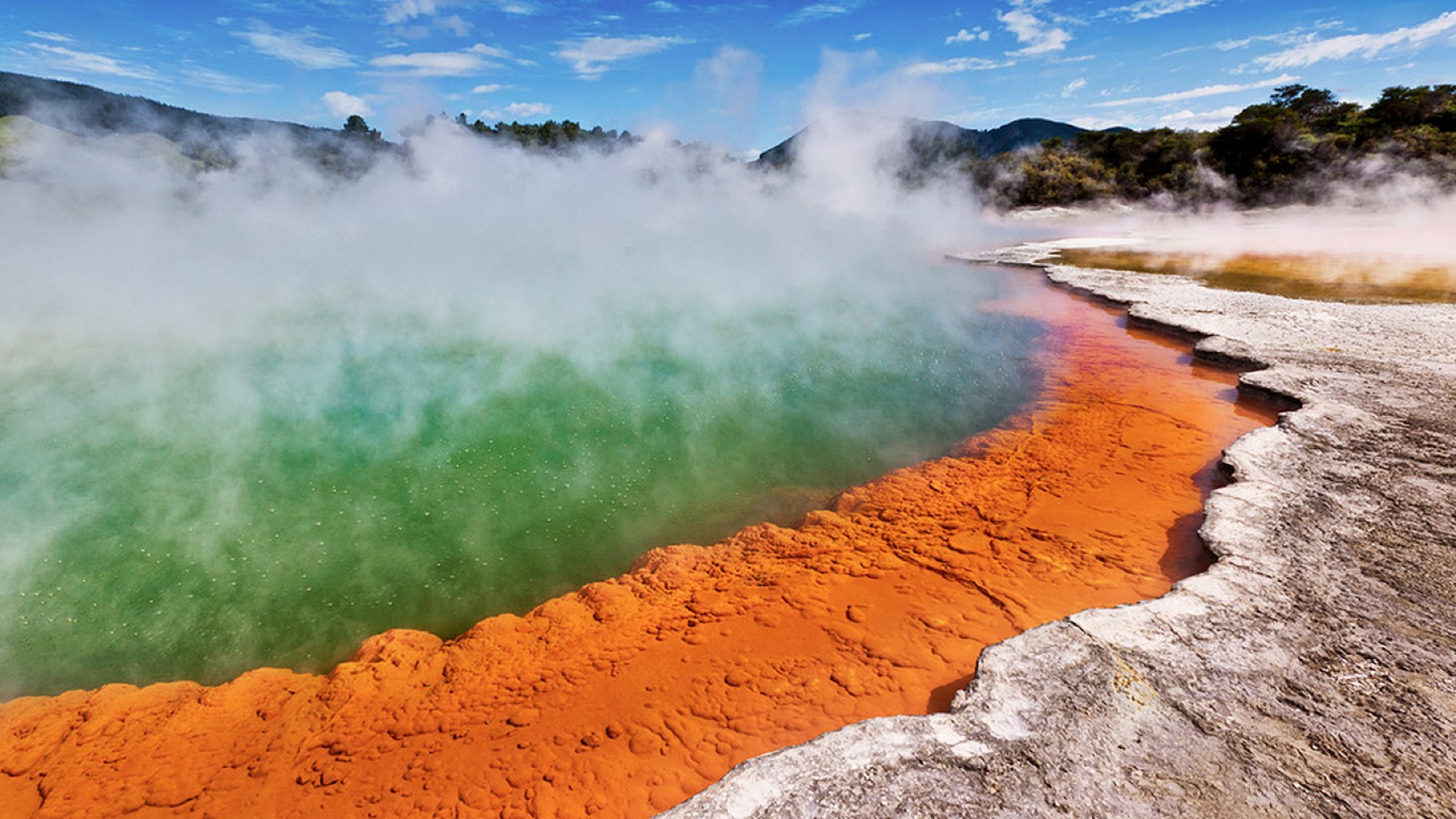
Kenya is treading a path of becoming the geothermal leader with many Rift Valley resources in doing sustainable energy. The Sosian Menengai Plant, for example, showcases the national interest in efficiency, along with scalability, and renewable energy.
Transformative event in geothermal energy: At Sosian Menengai plant, it’s new breed’s handwriting
The Sosian Menengai Geothermal Power Plant is the latest development in Kenya’s geothermal energy generation and use. This plant is in the Rift Valley, a stunning area rich in geothermal resources due to tectonic activities. Sosian uses modular technology that maximizes efficiency, minimizes costs, and allows phased development.
Whereas ordinary geothermal plants develop more than seven years, Sosian was built within only 16 months. Such short timelines are made possible by the new modalities brought in by the Kaishan Group of China. Modular power plant-styled steam screw expanders and Organic Rankine Cycle systems effectively overcome the challenges of energy loss through steam pressure drops and underutilized wells.
While overrunning its guaranteed output, Sosian’s 35-MW plant was reportedly cheaper at $65 million compared to another $108 million for the same kind of project. The modular technology is well suited to the geothermal resource base in Kenya.
Many of the wells have previously been regarded as underutilized or not normally used because of the varying well pressures and are now being turned into exploitation wells. This success associated with Sosian will ultimately open doors for tapping energy from these wells and complement the enhanced utilization of the country’s geothermal resources.
Taking the spotlight: Powering the future – Menengai’s high potential of 1,600 MW
Geothermal energy development in Kenya dates to the 1950s, during which time the country made significant strides in the Olkaria area. Today, Olkaria contains many geothermal plants that contribute approximately 45% of Kenya’s total electricity supply.
Recently, however, attention has turned toward Menengai, a vast geothermal field estimated to have a potential of about 1,600 MW. This state-owned entity, known as the Geothermal Development Company (GDC), has spearheaded efforts to develop this area through public-private partnerships.
The phased development model of Menengai starts with steam sales, whereby GDC will sell steam to independent power producers such as Sosian Energy. As of 2023, 53 wells have been drilled with a total combined capacity of 169 MW.
These are part of Kenya’s strategy to nearly double its geothermal output by 2030 and thus cement its place as a renewable energy hub in Africa. In the last decade, investment in geothermal energy worldwide grew by 40%, with a large chunk coming from Kenya.
Along with Turkey and Indonesia, Kenya’s investments and strategic focus is aiming to be a forerunner among emerging markets. Not only is the success portable into enhancing domestic electricity supply, but it also holds great opportunities for international investors and technology providers.
Kenya’s vision: Constructing a resilient, ecological energy mix
Kenya’s vision isn’t just to expand its energy, but to diversify its sustainable energy mix. It’s going to build a very resilient and competitive energy sector through creating an integrated energy resource between geothermal and hydropower. Modular technology has perfected the efficiency of resource use as it maximizes output and minimizes environmental impact. The recognition of Sosian signifies an innovative promise for renewable energy.
Defying traditional pitfalls such as supply chain disruptions and inefficiencies; it serves as a model for future projects. Already, its success has created interest in the widespread replication of modular geothermal plants across Kenya and beyond, making idle wells part of the energy mix.
The Sosian Menengai Plant in Kenya leads in geothermal innovation by responding to energy demand sustainably. To the growing interest in the world, the role that Kenya plays towards a greener future is undeniable.