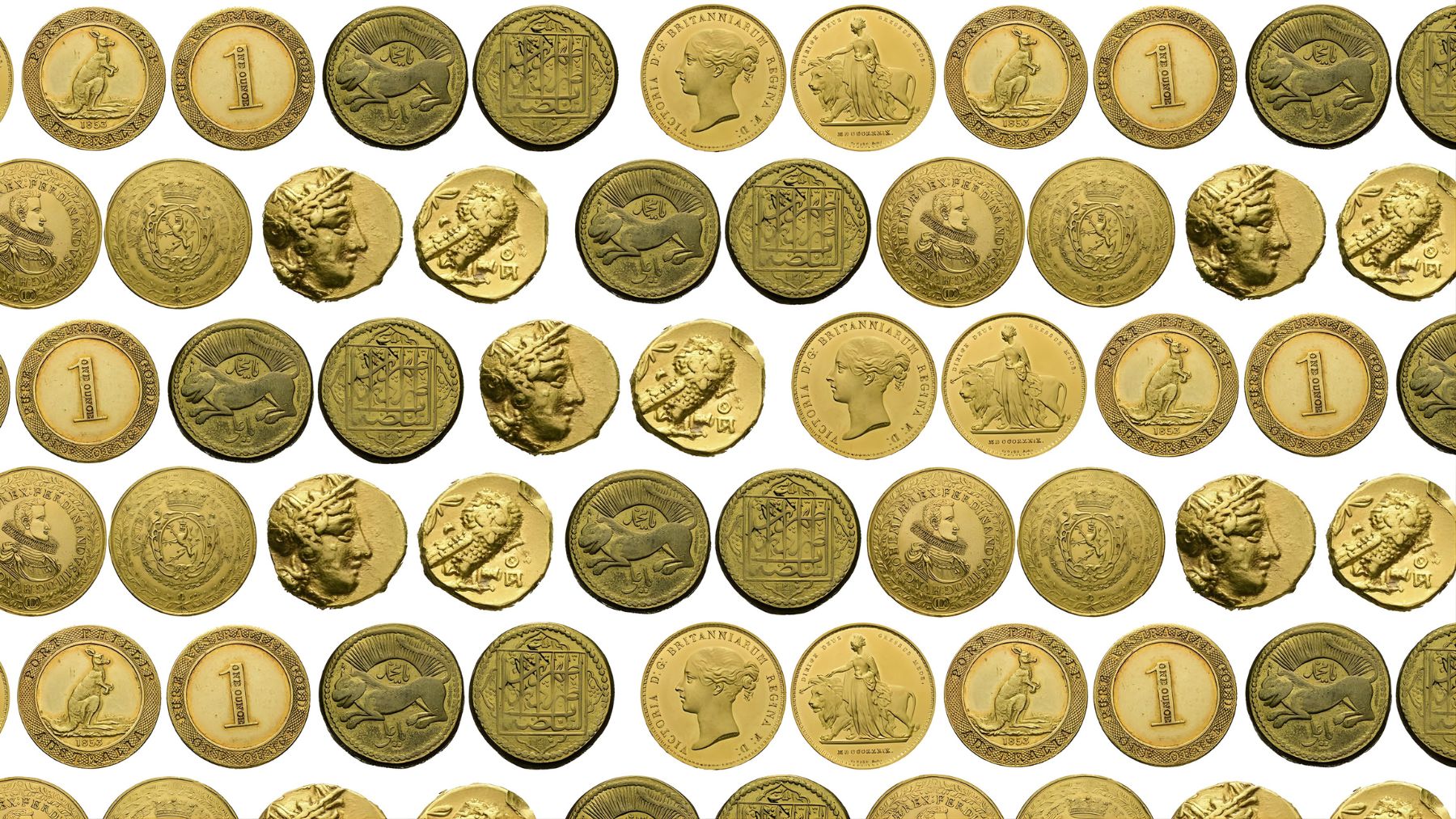
A secret stash of rare coins that spent decades underground is finally back in the spotlight. Known as the Traveller Collection, the hoard holds about 15,000 pieces and is insured for more than $100 million, or roughly 160 million Australian dollars.
For coin collectors and history fans, it is a once-in-a lifetime reveal. Hidden to keep it out of Nazi hands and forgotten for more than half a century, the trove is now being sold by Swiss auction house Numismatica Ars Classica in a multi-year series of sales.
A Secret Buried To Escape War
The Traveller Collection began in the 1930s, when a European heir sold his shares in a family company and turned the proceeds into a globe-spanning coin hunt with his wife. Traveling through Europe and the Americas, they bought rare gold and silver coins at major auctions and from leading dealers, carefully recording each purchase in diaries and handwritten envelopes.
As war approached and Nazi troops advanced, the collector feared his lifetime project could be seized. He packed thousands of coins into cigar boxes and metal containers, buried them on his property, and after his death the secret passed only to his wife, who left the treasure undisturbed until she revealed its location to relatives decades later.
Inside the Treasure: Giant Gold Coins and Royal Rarities
The collection spans more than 100 regions and stretches from ancient Greece to the early 20th century. Most pieces aregold or silver, many in outstanding condition thanks to years of careful storage and then their unlikely time capsule beneath the soil.
Among the standouts is a 100 ducat gold coin of Holy Roman Emperor Ferdinand III dated 1629, weighing about 348.5 grams and considered one of the largest European gold coins ever struck. It is expected to fetch about $1.35 million, while a 70 Ducat coin of Polish king Sigismund III from 1621, at 243 grams, carries an estimate near $472,000.
The hoard also includes an extremely rare set of Persian Toman coins minted in Tehran and Isfahan in the late 18th and early 19th centuries, plus a five guinea piece of Britain’s George III from 1777 valued at roughly $340,000. For specialists, each coin is not just a prize for a display case but a solid gold snapshot of royal power and shifting borders.
From Garden Hiding Place To Global Auction Stage
Once the heirs brought the coins to the market, Numismatica Ars Classica spent more than a year cataloging the Traveller Collection. Director Arturo Russo has called it the most valuable numismatic collection ever offered in a single auction program and a landmark for the field.
The first sale of Traveller Collection pieces took place in Zurich on May 20, 2025, focusing on British machine-struck coins from the reign of Charles II through the coronation sets of George VI, after a public display at the firm’s London gallery. Further sales over several years will unveil coins from different regions and eras, giving collectors a rare chance to compete for museum-grade pieces and setting new benchmarks for prices and rarity.
Why This Coin Hoard Matters Beyond Collecting
Numismatics, the study and collecting of coins and paper money, might sound like a niche hobby at first. Yet this story shows how a private passion can preserve a large slice of global history, from classical city states to colonial powers and modern nation states. And it quietly raises a question.
What other family treasures are still sitting in drawers, basements, or backyards?Every coin left the mint for a reason, whether to pay soldiers, mark a royal coronation, or fund trade across oceans.
For most of us, the closest thing to a treasure hoard is whatever shows up in a banking app or on a retirement statement, but the Traveller Collection shows how one family’s choice to bury its wealth turned into a metal archive of crisis, fear, and survival that future generations can study.
The official press release was published on The Traveller Collection website.
Image credit: Numismatica Ars Classica