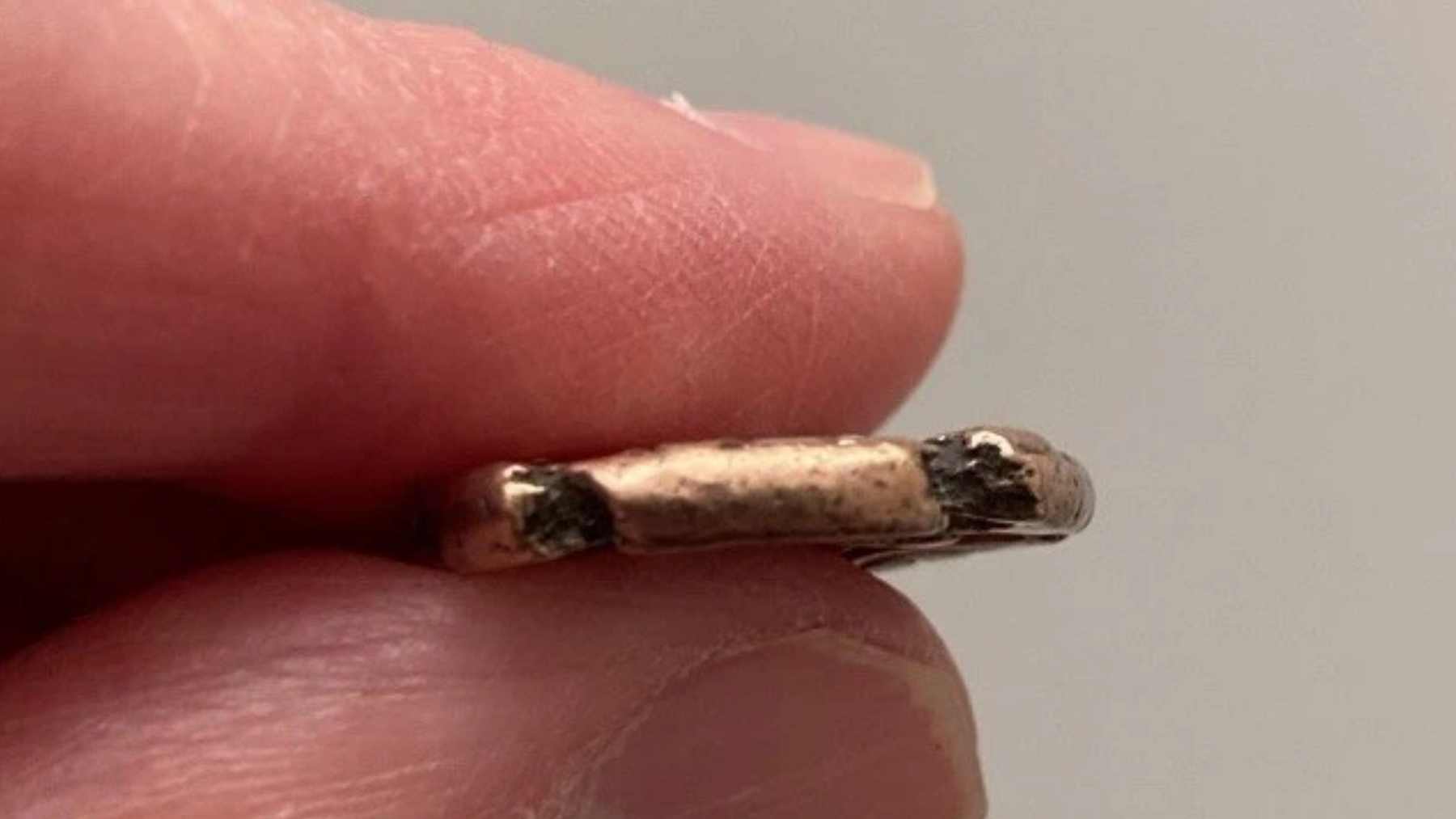
Fifteen glittering Iron Age gold coins, scattered in the corner of a quiet pasture on Anglesey, have just been officially declared treasure. The small hoard is the first group of Iron Age gold coins ever found in Wales and links farmers from England’s East Midlands with a windswept island long known for sacred groves, copper mines, and wild coastline.
The coins turned up between July 2021 and March 2022 near the village of Llangoed, when three hobby metal detectorists picked them up one by one from the soil. They did what heritage specialists hope every finder will do and reported the discovery to the Portable Antiquities Scheme, a national program that records archaeological finds made by the public in the UK. After study, the senior coroner for North West Wales ruled that the group meets the legal definition of treasure, clearing the way for a local museum to acquire it.
Ancient coins in a modern pasture
The coins were not tucked in a pot. They lay scattered across a corner of grazing land that looks, at first glance, like any other field where cattle might wander and people might walk their dogs on a Sunday. When Gwynedd Archaeological Trust visited the spot, they did not see dramatic ruins. Instead, they saw something less obvious and, in some ways, more important.
The find sits inside a wider landscape already dotted with Bronze Age tombs, Iron Age farmsteads, and traces of early Roman activity. Taken together, all these clues show that this corner of northwest Wales has been busy for thousands of years. One of the archaeologists involved described the hoard as a vivid example of the “rich archaeological landscape” hidden under everyday fields.
It is a good reminder that when we cross a pasture or follow a coastal path, we are walking over archives as well as ecosystems.
Gold staters and Celtic trade routes
Each Anglesey coin is a gold stater, a thick, high-value coin common in late Iron Age Europe. Analysis shows they were minted sometime between about 60 and 20 BC at three different mints in what is now Lincolnshire. Experts link them to the Corieltavi, a largely farming community that lived in the East Midlands and began issuing inscribed coins during the first century BC.
Their designs trace back to the gold pieces of Philip II of Macedon. On those classical coins, Apollo appears in full profile on one side, with a two-horse chariot on the other. On the Anglesey staters the human figure has dissolved into curving locks of hair and a wreath, while the reverse shows a compact horse surrounded by tiny abstract symbols that specialists use to sort different types.
Numismatists at Amgueddfa Cymru note that Iron Age communities in what is now Wales did not mint their own coins and rarely used those of neighboring tribes. That makes any coin from this period unusual and a gold hoard especially striking. The pieces were probably not pocket change for buying bread. More likely they served as diplomatic gifts, high-value payments, or offerings placed in the ground for gods and ancestors.
A sacred and resource rich island
Anglesey already had a strong religious reputation in antiquity. Roman writers describe druids on the island, and finds from Llyn Cerrig Bach, a nearby lake full of deliberately deposited weapons and tools, suggest that people used local waters as places of offering during the first centuries BC and AD.
The museum’s specialists also point to the island’s metal-rich geology. Parys Mountain on Anglesey and the Great Orme on the nearby mainland were major copper sources. They suggest the Corieltavi coins may have formed part of an exchange connected to copper from these mines. In other words, the bright gold in the field might represent payment for the red and green ores that once came out of the hills, ores that changed both the economy and the landscape.
Mining, even in the distant past, reshaped soils, streams, and vegetation. Today, conservation projects around former mines balance the protection of rare mineral-rich habitats with the need to manage pollution left by centuries of extraction. Finds like the Anglesey hoard help tie those environmental stories to human decisions made long before modern industry.
Protecting living landscapes and buried stories
The path this hoard took into the record matters. Because the detectorists reported their discovery, archaeologists could map the exact findspot, check for other traces, and place the coins into a broader picture of prehistoric and Roman land use. That kind of responsible reporting is the core of the Portable Antiquities Scheme, which works with hobbyists to record finds rather than see them vanish into private collections.
For environmental planning, these detailed records are increasingly important. When authorities weigh new roads, wind farms, or housing developments, they already look at wildlife, water, and carbon. Adding solid archaeological data helps them avoid damaging irreplaceable sites that may look like ordinary farmland.
At the end of the day, the Anglesey hoard is a small cluster of thumb sized coins. Yet it links Celtic farmers, sacred wetlands, copper stained hillsides, and a modern pasture that still feeds animals and stores carbon in its soils. It shows how cultural heritage and natural landscapes are woven together, and why caring for one usually means caring for the other as well.
The press release was published on Museum Wales.