Taste of Belgium, the Cincinnati brunch chain built around Liège waffles and locally sourced menus, has filed for Chapter 11 bankruptcy in federal court while pledging to keep its three remaining restaurants open. The company describes the move as a way to “stabilize the business and ensure long-term sustainability,” not to shut its doors.
At its peak, Taste of Belgium operated more than ten locations across Ohio and Northern Kentucky. Today only three remain, all in Cincinnati, after a wave of closures linked to the COVID era, shifts in dining habits, inflation, and a sharp drop in downtown foot traffic.
Founder Jean François Flechet says the court supervised restructuring is “not about closing restaurants. It is about keeping them open,” and insists that “from a customer standpoint, nothing changes.”
So why is this story landing in an environmental news feed and not just the business pages? Because Taste of Belgium has spent years branding itself around scratch cooking, seasonal menus, and locally sourced ingredients that it says reduce the environmental footprint associated with long transportation chains.
Its own blog highlights partnerships with nearby farmers and a brunch menu “married with locally-sourced ingredients,” tying the weekend waffle ritual to shorter, more transparent supply chains.
The company has also linked its waffles to neighborhood cleanups. In 2025, a campaign with Keep Cincinnati Beautiful directed a portion of cinnamon waffle sales and customer round ups to support environmental stewardship programs in city neighborhoods.
These kinds of restaurant nonprofit partnerships quietly help fund litter removal, greening projects, and community education, even if most guests only notice the extra line on their receipt.
When a sustainability-minded restaurant hits a financial wall, the ripples can travel far beyond the brunch line. Research on local and regional food systems during recent crises shows that restaurant closures can abruptly cut off markets for nearby farmers, leaving producers with unsold crops and fewer stable buyers.
At the same time, S&P Global data reported by industry analysts points to the highest pace of corporate bankruptcies since 2010, with restaurants squeezed by higher costs and muted traffic.
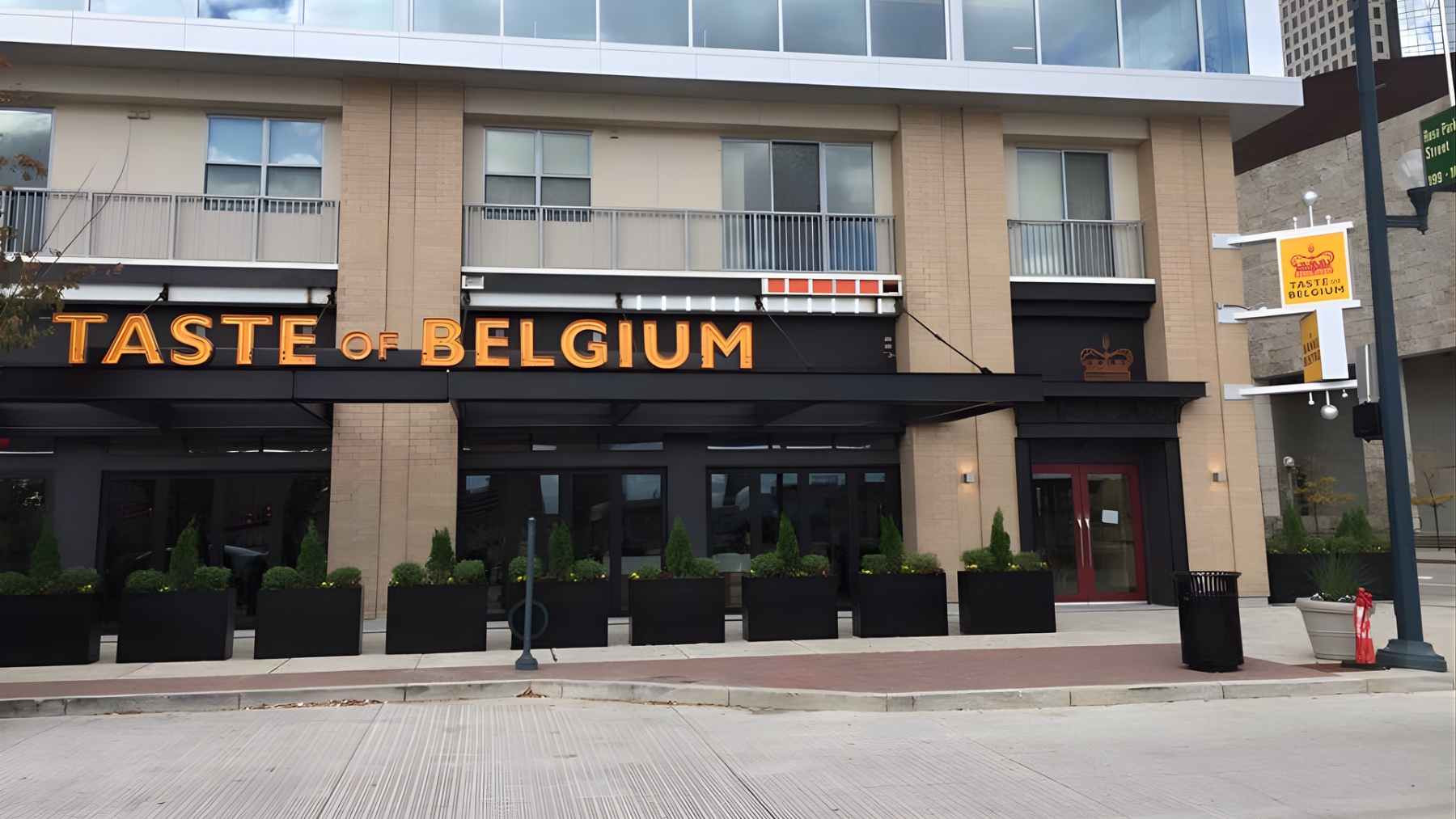
For diners, all of this can feel distant until a favorite spot vanishes from the corner near the office or the Saturday market. Yet choosing where to eat can either reinforce or erode the local networks that keep lower-impact food on the table.
In practical terms, that means a decision between another anonymous delivery meal on the couch and a plate of waffles in a dining room that still buys from nearby farms.
The official statement was published on WLWT.