Toyota has launched a worldwide recall of 166,018 Proace and Proace Verso vans after authorities flagged a safety risk linked to corrosion in the front suspension. The affected vehicles were built between March 2016 and July 2022 and are now being called back to workshops so key suspension parts can be replaced.
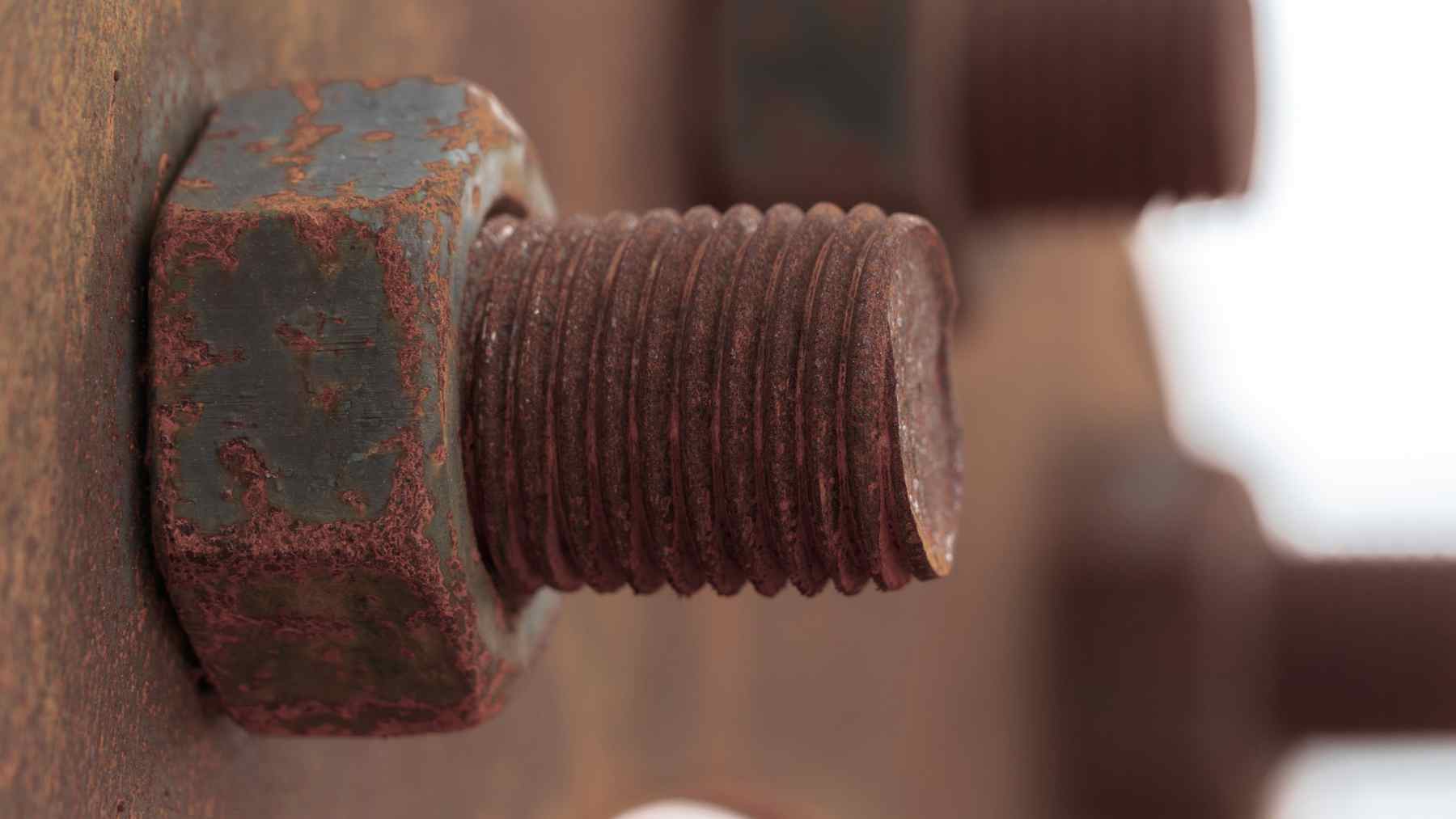
According to information filed with Germany’s Federal Motor Transport Authority, corrosion on the bushing of the front control arm can weaken the mounting bolt. In official wording, that bolt may break if the damage progresses, which can lead to sudden, unpredictable changes in how the van steers. In Germany alone, 27,496 vehicles are understood to be covered.
Owners are being asked to visit authorized workshops, where bolts and bushings will be replaced at no cost to them. So far, Toyota has not reported accidents or injuries connected to this defect.
For many drivers, this might sound like just another recall notice in the mailbox. Yet the story behind it reaches into questions of road safety, material durability and the environmental footprint of the vehicles that move people and goods every day.
Shared vans, shared weaknesses
The Proace family is the result of a long standing industrial partnership between Toyota and Stellantis. Under the skin, these vans are closely related to Peugeot Expert and Traveller models, as well as Citroën Jumpy and Spacetourer variants that share the same basic platform.
In September 2025, Peugeot Expert and Traveller vans from model years 2020 to 2022 were themselves recalled in Europe because fixing bolts and hinges on the front control arms could break due to corrosion. Citroën Jumpy and Spacetourer vehicles built over the same period were called back for the same corrosion risk in their front control arm mounting hardware.
Taken together, these actions show that a single design family, spread across several brands, can produce the same weak point in thousands of workhorse vans. On the plus side, once the underlying problem is understood, the fix can also be rolled out across those brands quickly.
When safety recalls meet climate goals
It might feel like this story lives far away from climate policy. Yet vans like the Proace sit right at the center of Europe’s transport challenge. Transport is responsible for roughly a quarter of the European Union’s greenhouse gas emissions, and road transport makes up the vast majority of those emissions.
These medium-sized vans move parcels for online deliveries, carry tools for electricians and plumbers, and shuttle families to vacation spots. If such vehicles fail early because of corrosion or design flaws, fleets are pushed to replace them sooner. That means more energy and raw materials for new vehicles, on top of the fuel or electricity used in daily operation.
A robust suspension component that lasts the lifetime of the van helps in two ways. It keeps the vehicle safe and predictable on the road. It also supports a longer service life, which, to a large extent, spreads the environmental cost of manufacturing over more years and more miles. A rusty bolt that fails early does the opposite.
At the same time, fixing the problem through a recall has its own footprint. Parts must be produced and shipped, and thousands of vehicles will make an extra trip to the workshop, often sitting in traffic with the rest of us. The net effect is still clearly positive for safety, but it is a reminder of how much is at stake in getting small components right from the start.
Corrosion, winter roads and the underbody blind spot
Corrosion in underbody parts is not unique to Toyota or Stellantis. Road salt, wet winters and aging protective coatings all play a role in how quickly metal parts under a vehicle begin to rust. Automotive service guides regularly warn that control arms, ball joints and other suspension pieces are vulnerable when salt laden slush and moisture collect on the undercarriage.
In practice, that means the parts you never see when you walk around your van are often the ones working hardest in harsh conditions. Over time, rust can nibble away at the strength of crucial mounting points. The recall now under way essentially acknowledges that, in a large group of Proace and Proace Verso vans, this process can reach a point where a mounting bolt no longer does its job safely.
Climate change adds another layer. Wetter winters in some regions and more frequent freeze-thaw cycles can increase the use of de-icing salt in the long run. Road salt itself carries environmental downsides for soils and freshwater ecosystems. At the same time, it accelerates the kind of underbody corrosion that is at the center of this recall.
What drivers and fleets can do
For owners, the immediate message is straightforward. If you drive a Toyota Proace or Proace Verso built between early 2016 and mid 2022, you should check whether your vehicle is affected by contacting a dealer or using Toyota’s online recall checker with your vehicle identification number. The repair work is expected to be free of charge. Ignoring a recall that involves steering and suspension is never a good idea, especially for vehicles that often carry families or heavy cargo.
Beyond this specific campaign, the case is a quiet argument for better underbody care. Regular washing of the underside in winter, paying attention to unusual noises from the suspension and taking inspection advice seriously can all reduce the risk that corrosion silently eats into safety-critical parts.
A small part, a larger lesson
Zoom out and this Proace recall is one episode in a much bigger pattern. Car Recalls Europe currently lists more than five thousand active automotive recalls across brands and models, many of them tied to durability, emissions and safety in real world conditions.
For a transport system that needs to decarbonize quickly, every design choice matters. Stronger protection against corrosion, more rigorous testing in salty winter environments and transparent recall processes are not just technical details. They are part of making sure the vans that clog our morning commute and deliver our online orders are safer, last longer and fit better into a world that has to cut emissions fast.
A single rusty bolt might seem minor. In the bigger picture, it is a reminder that sustainable mobility depends not only on electric drivetrains and climate targets, but also on the small, very physical pieces of metal holding the wheels in place.
The official recall information was published on the recall database of the Kraftfahrt-Bundesamt.