Two fossil whales, each about 10 million years old, have emerged from a Portuguese beach after winter storms stripped sand away.
Because both skeletons still hold skulls, jaws, and major bones, the find changes what scientists can test about early baleen whales.
Sand pulls back
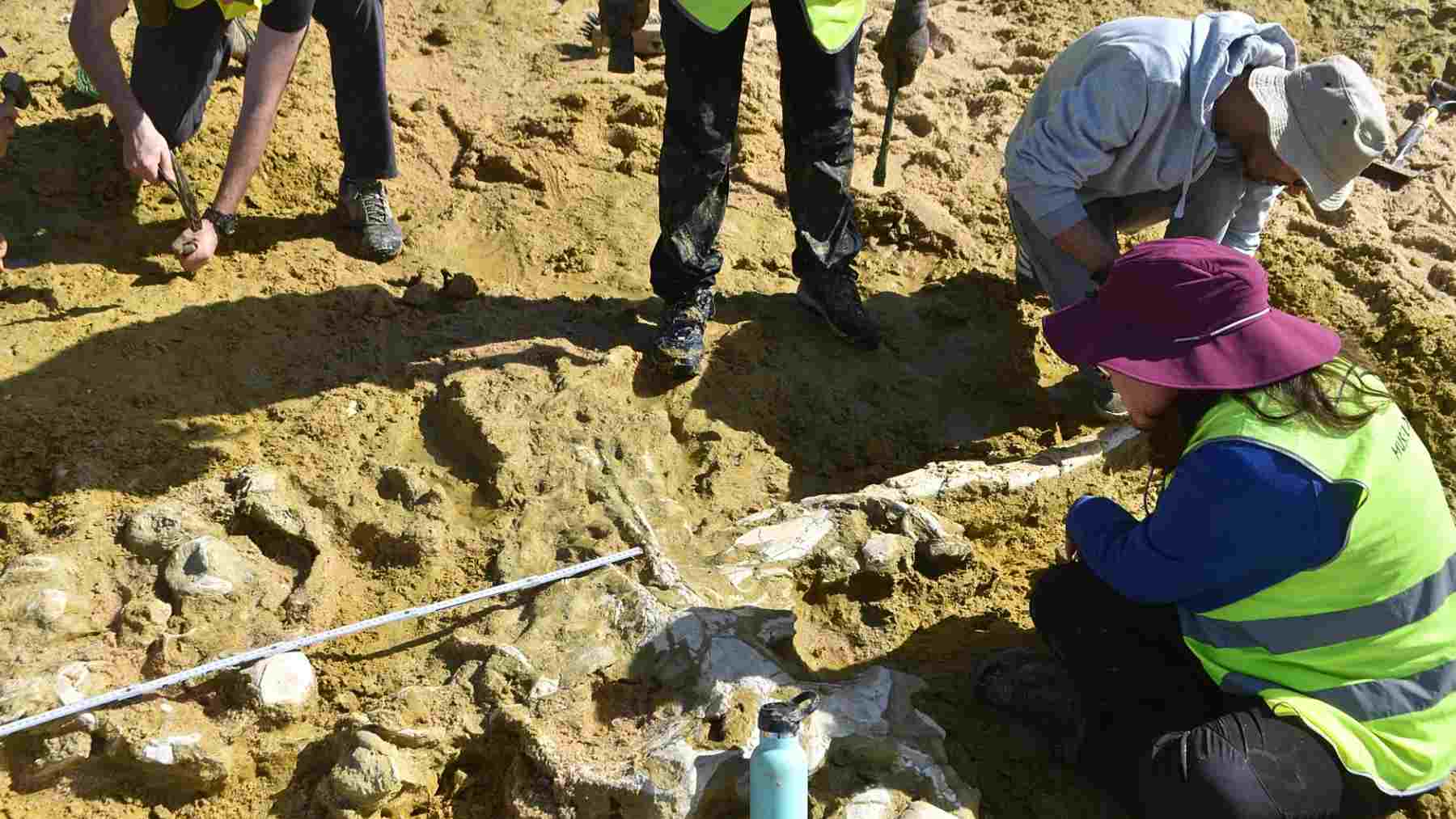
A long rock slab, exposed after the storms, held bones in a narrow strip between surf and sand.
Working in that tide-cut zone, Carla Tomás, a paleontologist at the Lourinhã Museum, helped lift one skull before waves returned.
Her team had only short windows between tides, so every bone had to be stabilized, packed, and moved fast.
That urgency shaped the discovery, because a delay of even hours could have let surf fracture bones or bury them again.
Rock from another sea
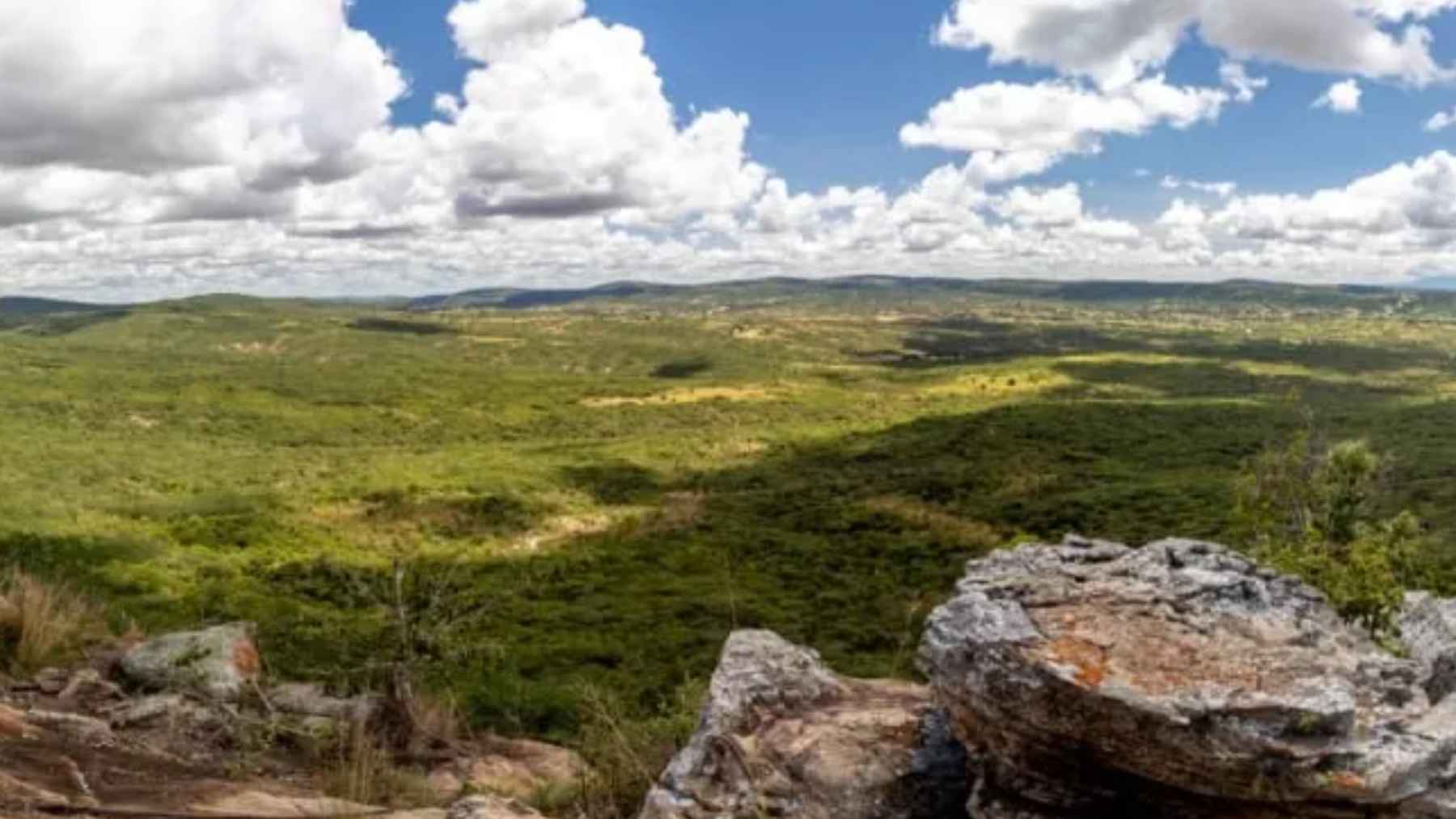
Once the sand pulled back, more than 110 yards of rock lay open along Galé-Fontainhas beach in southern Portugal.
Those layers formed during the Miocene, a geologic interval from about 23 to 5 million years ago.
Studies of the Alcácer do Sal Formation place this unit around 11.5 million years old, in the same late Miocene window.
That date matters because it pins the skeletons to a time when Portuguese waters held rich marine life and a different coastline.
More than whales
Whale bones were only part of the story, because the same rock also preserved dolphins, turtles, sharks, fish, and possible birds.
Mixed with them were shells, sea urchin relatives, snails, barnacles, and ichnofossils, traces left by ancient animal activity.
Earlier work at Galé-Fontainhas had already documented fossil burrow networks in these cliffs, hinting at a crowded bottom-dwelling community.
That broad mix lets researchers read the whales alongside surrounding seafloor life, not as isolated bones torn from context.
Reading whale anatomy
The skulls pointed to Mysticeti, the whale group better known today as living baleen whales. In living species, baleen, flexible plates made from hair-and-nail protein, hang from the upper jaw and strains prey from seawater.
Because the Galé animals were likely smaller relatives of later giants, their bones may help map early filter-feeder diversity.
That matters most if the tentative family call holds, since this coastline already carried a long record of similar whales.
A family in focus
Researchers think the new skeletons may belong to Cetotheriidae , an extinct family of small to mid-sized baleen whales.
Recent work on older Portuguese skulls showed this family was hard to classify, with names and relationships revised after reexamination.
That earlier review linked Portugal’s first published vertebrate fossils to this whale family, giving the beach find deeper historical weight.
Any firm identification here will take preparation and comparison, so the family name remains a working label.
Why Europe noticed
Europe rarely gets whale skeletons from this slice of time with heads and long stretches of body still together.
One Galé specimen kept a skull, two lower jaws, vertebrae, and ribs, while the other preserved even more.
The two skeletons are considered among the most complete Miocene fossil whales discovered in Portugal and among the most complete known in Europe.
Completeness changes the questions scientists can ask, because skulls and limb bones carry clues isolated vertebrae never do.
Portugal knew whales
Portugal did not suddenly become a whale-fossil country this month, because marine mammals have turned up along its Miocene coastlines for decades.
Survey work has shown whales and dolphins turning up most often in open, deeper settings, while sea cows favored warmer shallows.
That pattern fits the Grândola site, where shallow-sea deposits still held a broad marine community and two whales together.
It also suggests the new skeletons may connect local shoreline conditions to the larger map of Portugal’s ancient seas.
Questions now within reach
With bones this complete, researchers can go beyond naming the animals and start testing how they moved, fed, and died.
Skulls can reveal feeding style because jaw shape and attachment scars record how soft tissues once worked.
Ribs, vertebrae, and shoulder bones can also narrow body size and swimming posture, while surrounding shells help place the carcasses.
Even so, weather exposure and emergency removal may have erased delicate clues, making careful preparation in the lab essential.
From beach to lab
For now, the fossils sit in municipal custody while plans move them to the Lourinhã laboratory for cleaning and conservation.
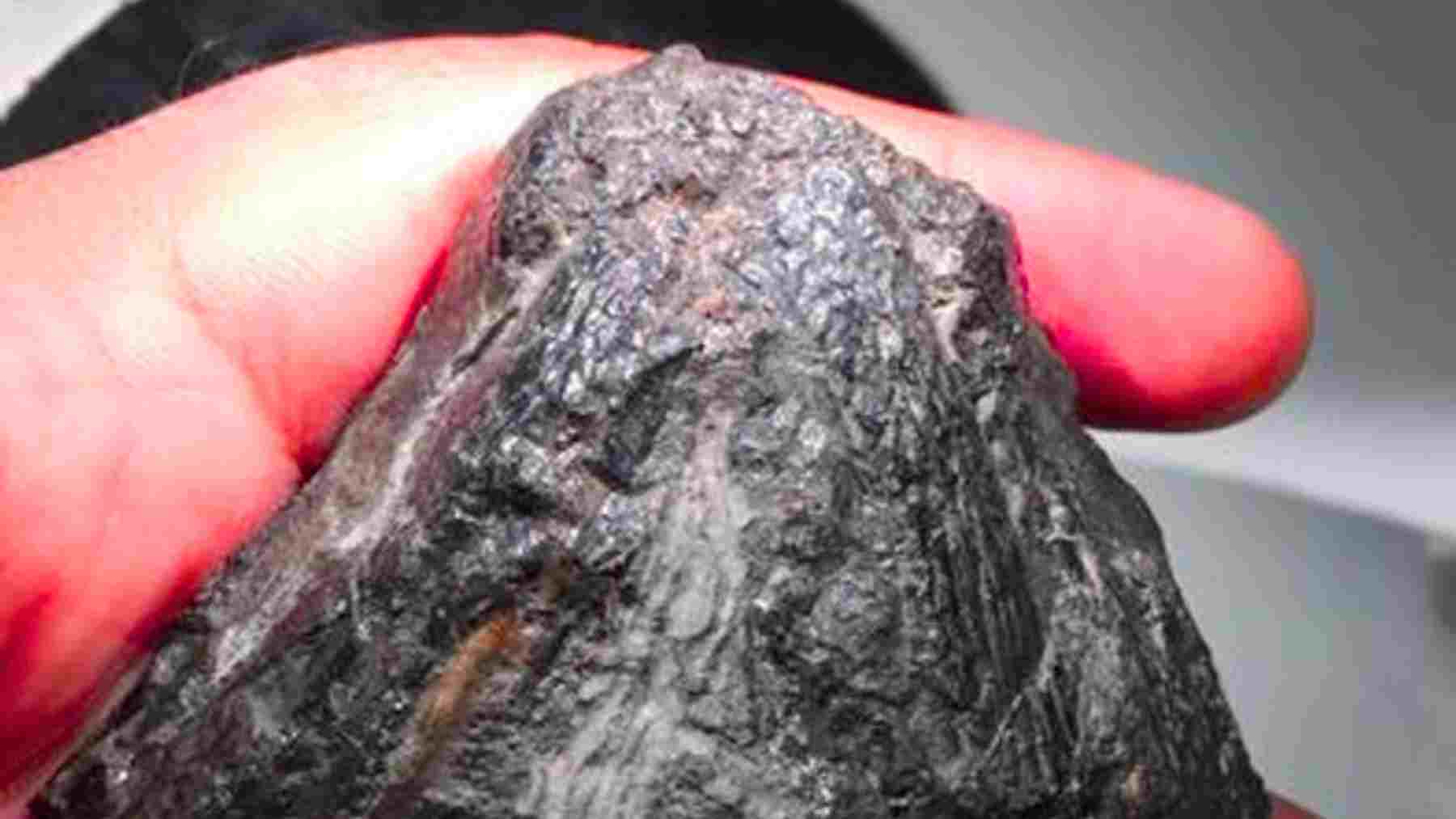
Preparators will remove surrounding rock, strengthen cracked bone, and expose details that were too fragile to study on the beach.
Preparation, conservation, and detailed study of the fossils will be carried out by a technical team.
That slower phase will decide whether this storm-made discovery becomes a scientific landmark or simply a dramatic rescue.
What the storm left
A storm stripped a beach bare, but the deeper story reaches from a vanished sea to a whale lineage preserved unusually well.
Months of preparation should show whether Galé-Fontainhas can clarify how smaller baleen whales lived before giant forms came to dominate oceans.