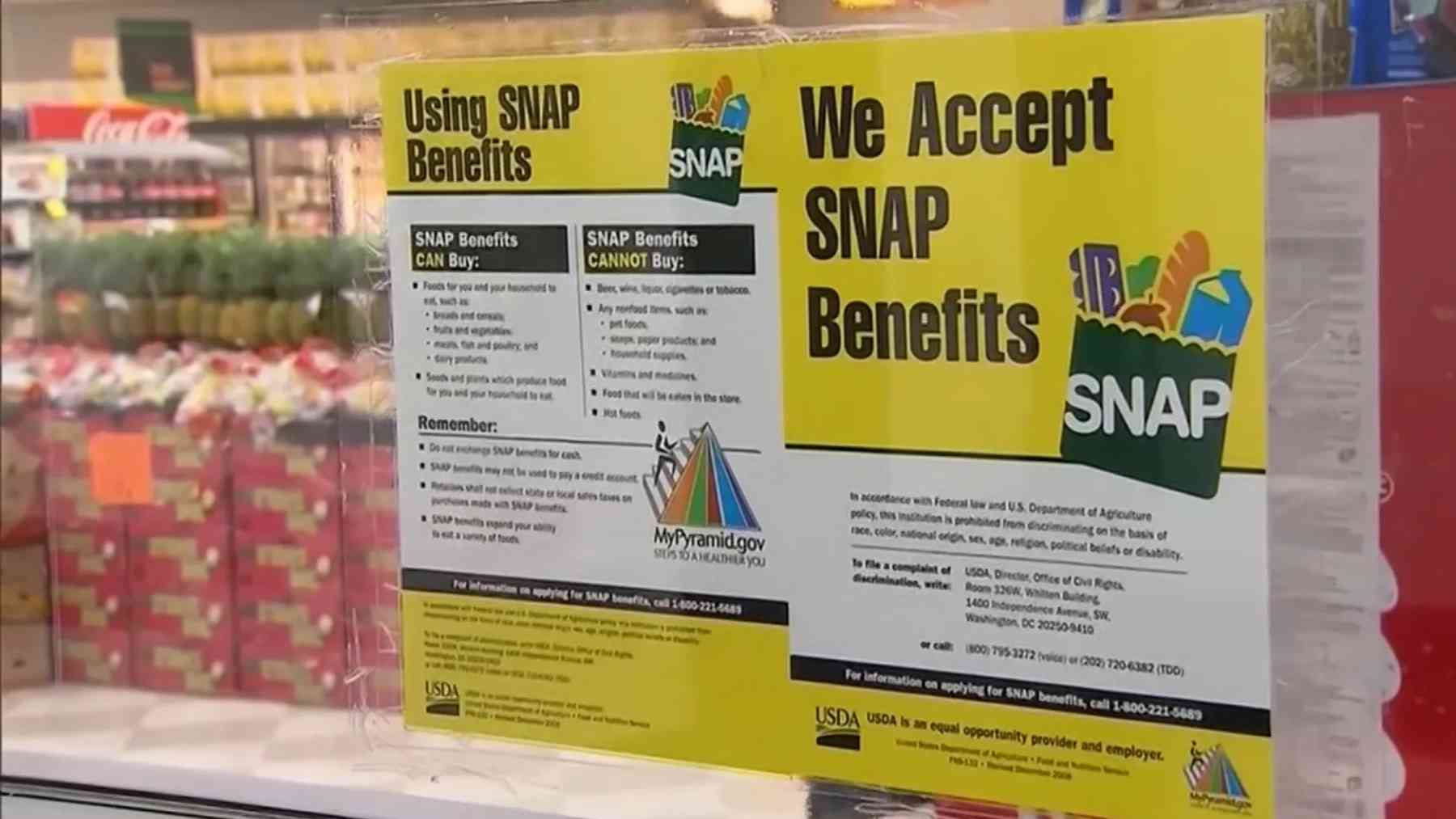
For thousands of New Yorkers who rely on the Supplemental Nutrition Assistance Program, the first days of November were a shock. A federal government shutdown froze food benefits nationwide on November 1, leaving many families staring at empty fridges and unpaid grocery bills.
Payments have since restarted and New York has won a brief delay on new work rules. That has eased some fears, but with more policy changes coming in March and another possible shutdown in February, many SNAP users say they no longer feel sure that help will be there when the pantry is bare. What will happen if the checks stop again?
How November’s Shutdown Disrupted Food Assistance
When the federal government closed on November 1,SNAP payments stopped across the country. In New York, the impact was sharper because state and local agencies were told with almost no warning that expanded work requirements would start earlier than planned.
New York joined 24 other states in a legal fight that reached the Supreme Court. Only after Congress voted to reopen the government on November 13 did the White House resume payments and agree to honor an earlier waiver letting the state delay the work rules until next year.
For people on the ground, the damage had already been done. Bronx resident and SNAP recipient Diana Ramos, who organizes with the Urban Justice Center’s Safety Net Project, said she was so confused by the shifting news that she took out a cash advance to pay for groceries and dog food. Her benefits finally showed up on November 10 after a court order pushed states to release the delayed payments.
New Work Rules Set To Arrive In March
The calm may not last. Under a package of policies that former President Donald Trump promoted as his “Big Beautiful Bill”, new work rules will begin in March for certain adults who receive SNAP.
Many recipients without children or disabilities will be asked to log up to 80 hours every month working, going to school, or doing approved volunteer work. Those who do not meet that requirement for more than three months in a three year period risk losing their benefits.
New York City is trying to get ready. The Human Resources Administration, which runs SNAP in the five boroughs, is rolling out programs that connect people with job training, education courses, or health providers that might help them qualify for an exemption. Officials say residents with health conditions that limit their ability to work should submit a medical form so they are not cut off by mistake.
Advocates Warn Of Red Tape And Lost Benefits
Food banks are already seeing the ripple effects of uncertainty. At Feeding Westchester, chief operating officer Tami Wilson said pantry visits jumped in October, even before the shutdown officially disrupted SNAP payments.
Many clients have told the group that their monthly benefits do not stretch to the end of the month. Wilson described a growing sense that attacks on SNAP are leaving people who rely on it feeling targeted and confused.
Advocates worry that the new work rules will not only shrink benefits but also add layers of red tape. They estimate that hundreds of thousands of New Yorkers could lose access to SNAP, including people who put in the required hours but struggle with online forms, language barriers, or busy caseworker phone lines.
Data Sharing, Immigration Fears, And What Comes Next
The shutdown may be over, but the policy fights are not. Since November, the Trump administration has stepped up threats to cut off federal food aid for states that resist a data sharing policy that would give federal officials more access to information on SNAP recipients.
Ramos is one of the plaintiffs in a lawsuit challenging that policy, saying it raises serious questions about privacy and how data could be used. She worries that people with Hispanic surnames or mixed immigration status in their families may fear a knock on the door from enforcement officers if they stay in the program.
At the same time, the administration is pursuing a rule that would allow officials to weigh the use of public benefits when deciding whether immigrants can get a green card or citizenship. Even talk of that change, immigrant advocates say, can scare families away from programs meant to keep food on the table. For now, federal officials say SNAP funding is secure through September 2026, but people like Ramos and Wilson say the last few months have shown how fragile the safety net can feel. The main information about these SNAP changes has been published by the United States Department of Agriculture.