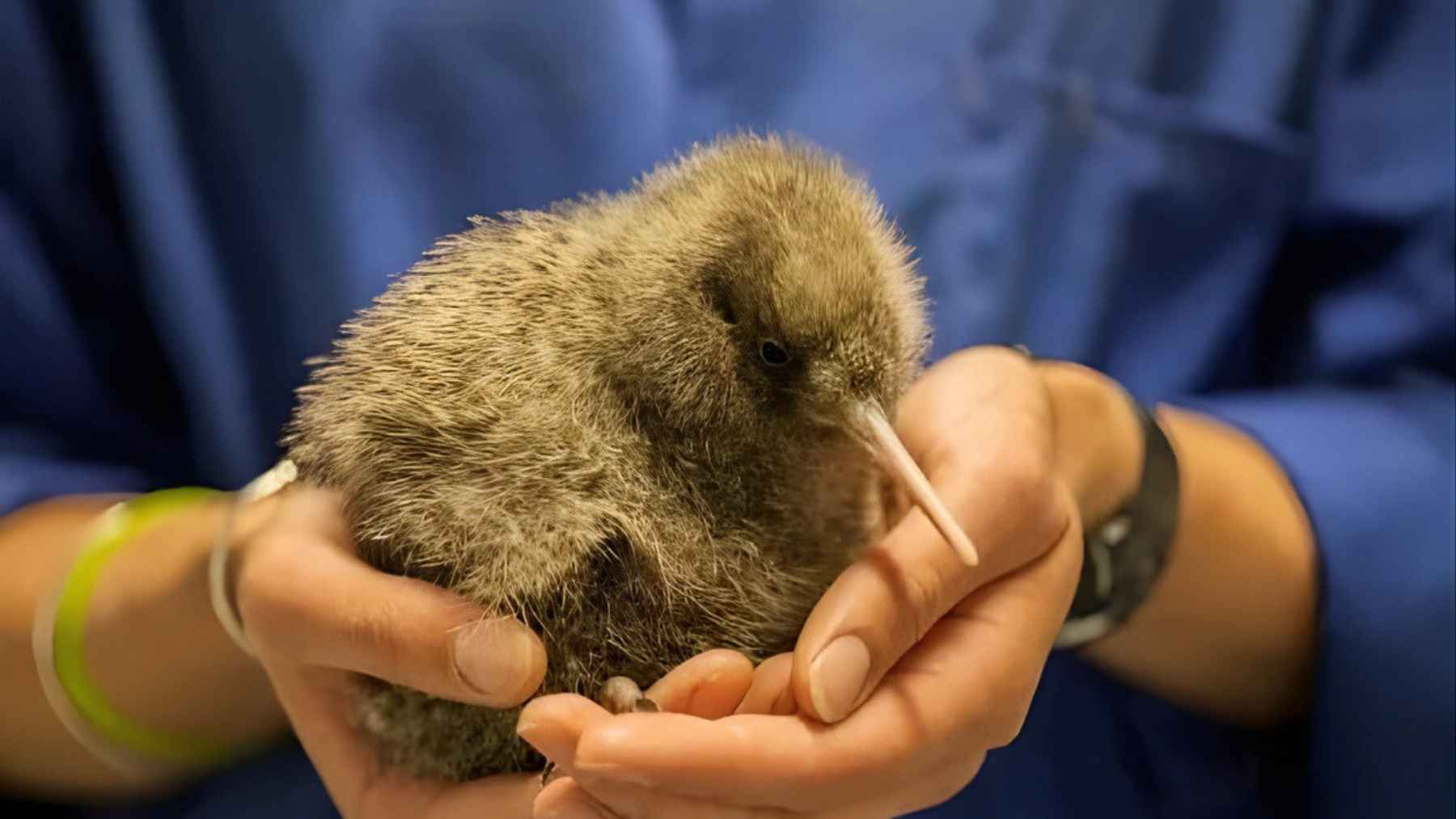
Conservation volunteers in New Zealand’s South Island are scrambling to protect what could be a newly confirmed kiwi stronghold before a quiet forest event turns deadly for wildlife. Over the coming summer, beech forests across the island are expected to produce their biggest seed crop in seven years, a “mega mast” that will carpet valley floors with trillions of tiny seeds and supercharge populations of rats and stoats.
For the great spotted kiwi, or roroa, that seed shower is not a blessing. It is a warning siren. Stoats are already one of the bird’s main predators, and every extra rat or mouse the forest can support today makes it easier for stoats to survive and switch to kiwi chicks once the seed feast is over.
So why does a tree’s seeding season matter so much to a shy, nocturnal bird most of us will never see in the wild?
How a beech mast becomes a predator “plague”
Beech is the dominant forest type across much of Aotearoa New Zealand. In warm summers, the trees respond by flowering heavily, then dropping huge amounts of seed in what scientists call a mast year. DOC’s own monitoring shows that these masts trigger a classic domino effect. First food is everywhere, so rats and mice breed through winter instead of slowing down. Then stoats, which eat rodents, also boom.
When predator numbers spike, already stressed native species pay the price. A rat plague during a beech mast in the late-1990s wiped out the last population of mohua, or yellowhead, at Mount Stokes in the northern South Island. Scientists now treat that loss as a textbook example of what happens if mast events are not matched with strong predator control.
DOC has signaled that this time it intends to act early. Thanks in part to a funding boost from New Zealand’s tourism levy, the National Predator Control Programme is planning fifteen aerial operations over about 650,000 hectares of priority South Island beech forests, on top of routine work across another large area, with a second round planned after the seed has gone.
Great spotted kiwi on a slow slide
The great spotted kiwi, or roroa, is the largest of New Zealand’s five kiwi species and lives only in the upper half of the South Island, from northwest Nelson to the Paparoa Range and Arthur’s Pass.
On paper the numbers might not sound catastrophic. DOC and partner groups estimate there are around 14,000 roroa left. In reality, that population is classified as “Threatened, Nationally Vulnerable” and is thought to be shrinking by about 1.5% each year. Projections shared by conservation charity Save the Kiwi suggest that, without stronger protection, roroa numbers could drop to roughly 12,000 by 2030.
Most adults live in steep, remote country and can fend for themselves. Newly hatched chicks are a different story. In mast years, when stoats become abundant and rodent numbers later crash, hungry predators turn to ground nesting birds. Kiwi eggs and chicks that once had a good chance of surviving to adulthood suddenly find themselves at the bottom of the food chain.
Citizen trappers on the front line
Into that gap step volunteers. The new kiwi habitat highlighted by local media is just one piece of a much bigger community movement that stretches across the country. National groups such as Save the Kiwi openly describe volunteers as “the heart” of many kiwi projects, from checking trap lines to helping handle birds during health checks.
In the southern Paparoa Range, for example, the Paparoa Wildlife Trust has built a network of more than 2,400 traps over roughly 17,500 hectares, with contractors and locals hauling gear up muddy tracks, clearing traps, and recording catches on smartphone apps. Their efforts have helped roroa and blue duck, or whio, rebound in areas that once seemed on a one-way path to silence.
Other community projects report thousands of traps protecting tens of thousands of hectares of private land, all maintained by people who give up weekends and evenings to walk trap lines instead of staying home on the couch.
A test case for climate and conservation
This looming mast is not happening in isolation. DOC has told lawmakers that rat numbers across the country could double by the end of the century under sever eclimate change scenarios, as warmer conditions favor rodents and lengthen breeding seasons.
That means events like this South Island mega mast are also a stress test for how New Zealand responds to climate-driven threats to biodiversity. Predator control, whether aerial toxin drops or hand set traps, is becoming a form of climate adaptation for native wildlife. The work is technical, sometimes controversial, and rarely glamorous. It also determines whether species like the great spotted kiwi will still be rustling through subalpine scrub for future generations to hear.
For people living far from these forests, the choices are simpler but still matter. Joining a local predator-free group, supporting reputable conservation charities, keeping dogs away from kiwi zones, or even hosting a backyard trap are all small steps that add up. DOC itself encourages the public to get involved in exactly these ways.
Whether we ever meet a kiwi in the wild or only on stamps and souvenirs, its fate is tied to what happens on the ground in the next few summers, as volunteers, scientists, and agencies try to stay one step ahead of the predator wave racing out of the beech forests.
The official statement was published by the Department of Conservation.
Image credit: Sabine Bernert