A research team working along forest trails in Brazil’s Amazon National Park has picked up a signal that is raising eyebrows in tropical disease circles. In sand flies collected over a year, scientists detected DNA from a Bartonella bacterium that has not been described before, and it sits genetically close to species tied to serious human illness in the Andes.
Does that mean a new Amazon outbreak is coming? Not according to the researchers. The discovery does not prove the bacteria infects people, or that sand flies can pass it to humans, but it does suggest the region may be home to overlooked relatives of pathogens that can cause high fever or wart-like skin lesions.
What bartonellosis is, in plain language
Bartonellosis is an umbrella term for illnesses caused by Bartonella bacteria, which can live in the blood and the lining of blood vessels for long periods. For some infections, symptoms can be vague, on-and-off, or easy to confuse with other common tropical illnesses. That’s part of why cases can slip through the cracks.
In its public health overview, the Centers for Disease Control and Prevention says different Bartonella species can spread to humans through fleas, body lice, sand flies, or contact with flea-infested animals, and notes that cat scratch disease is the most common form seen in the United States. That variety matters, because it means Bartonella is not a one-size-fits-all diagnosis.
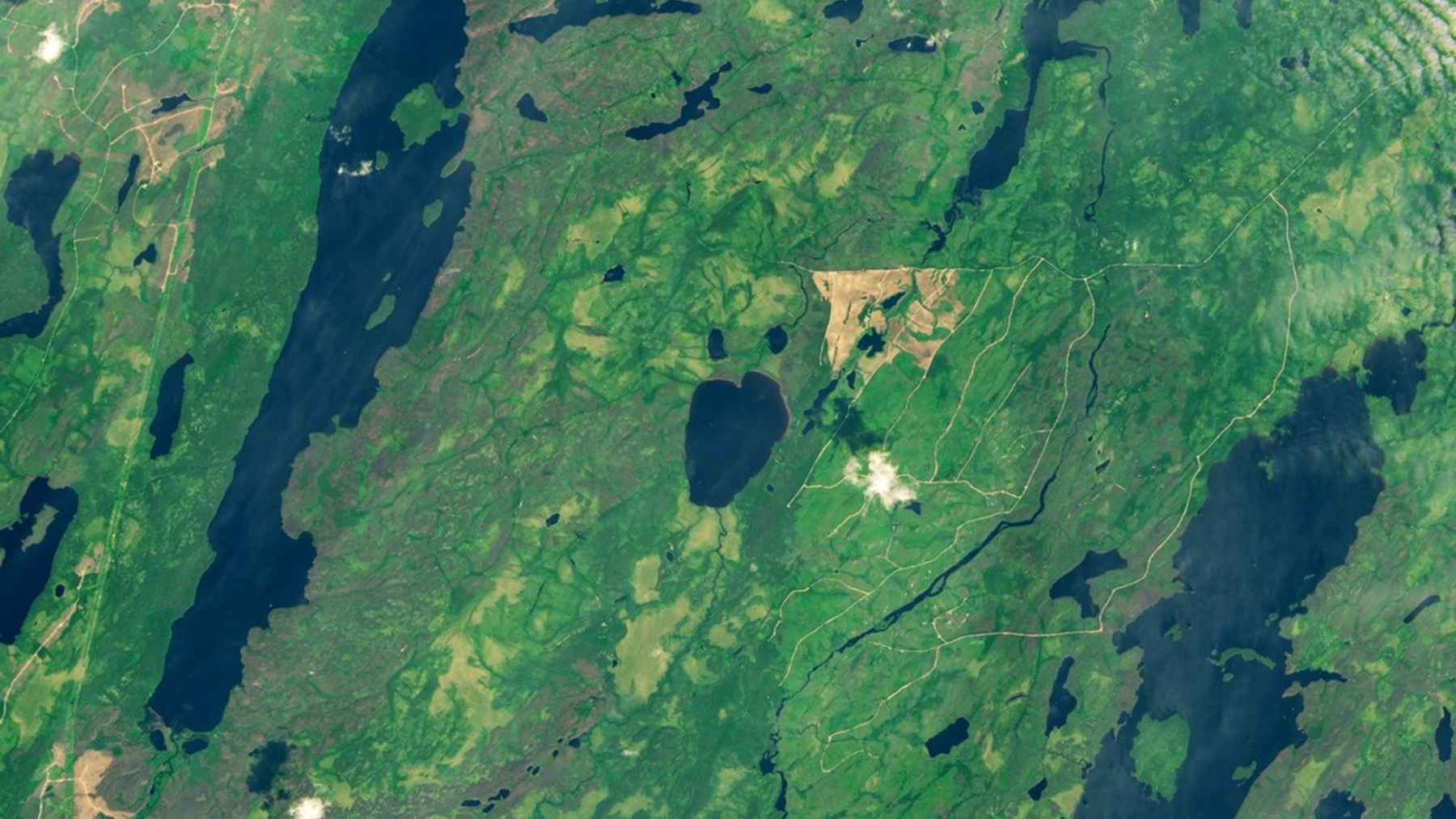
What the team found in Brazil’s Amazon National Park
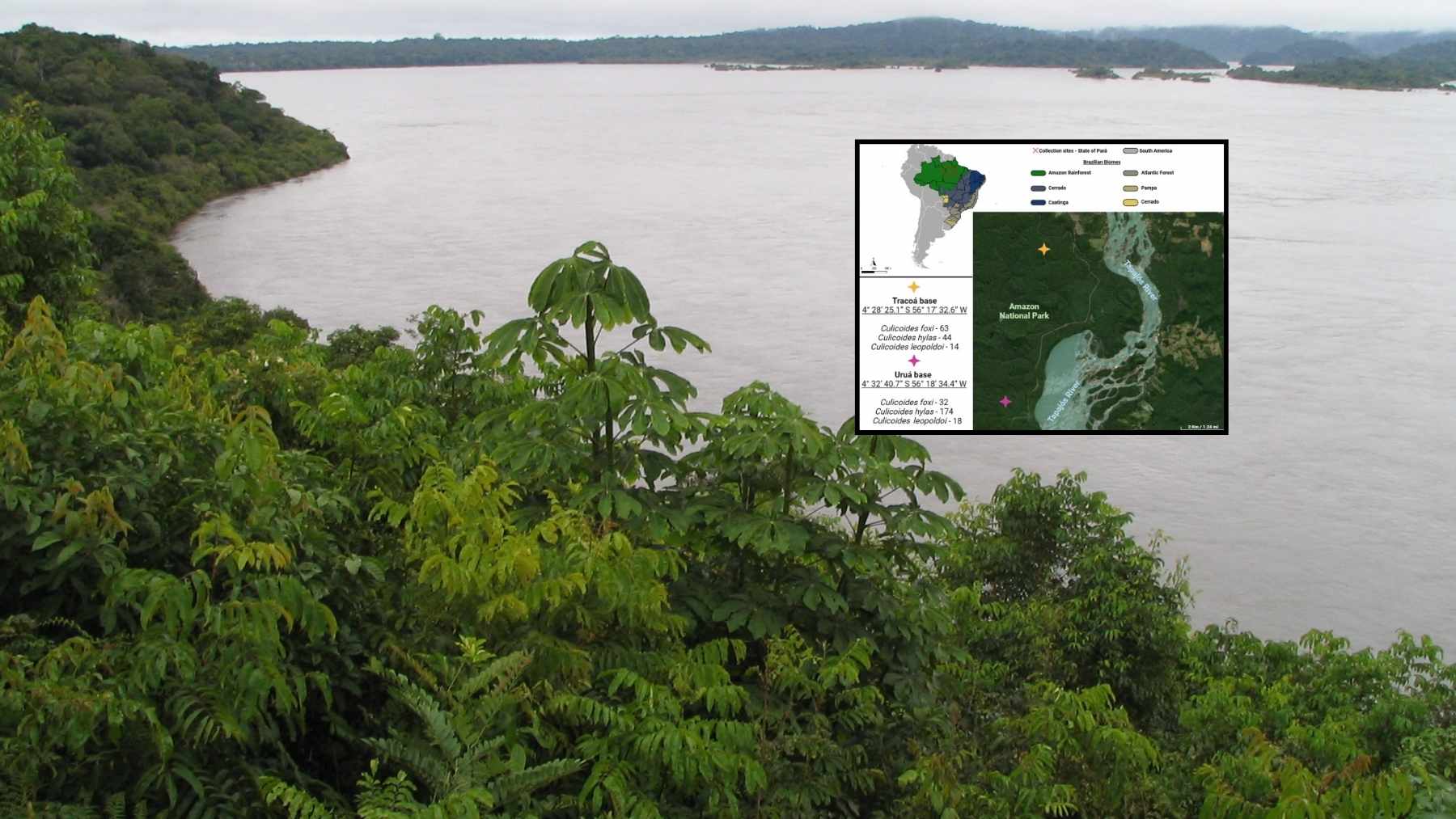
The work was led by Marcos Rogério André of the Faculty of Agricultural and Veterinary Sciences at São Paulo State University, and it focused on female sand flies collected between February 2022 and February 2023 along two forest trails. In total, 297 insects were gathered, and the study reported Bartonella DNA in about one in eight of the tested specimens.
To find that signal, the researchers used PCR, a lab method that looks for tiny fragments of genetic material, then checked additional genetic markers to see where the sequences fit on the bacterial “family tree.” Two sequences grouped near Bartonella bacilliformis and Bartonella ancashensis, both linked to human disease in the Andes, even though the Amazon sequences were not exact matches to known Peruvian strains.
Why an Andean link is getting attention
Bartonella bacilliformis is known for causing Carrion’s disease, a two-stage illness that can begin with a dangerous blood infection often called Oroya fever, followed later by a wart-like skin condition sometimes called Peruvian wart. Bartonella ancashensis has also been described as a human pathogen that can produce similar verruga-like illness. The new Amazon sequences landing close to that branch is why the finding is hard to shrug off.
The bigger question is ecological, not sensational. If relatives of these bacteria are circulating in lowland forests, they may be flying under the radar simply because no one has been looking, and because symptoms can blend into the background of “mystery fevers” that clinics see all the time.
What DNA in an insect does and does not prove
PCR is a powerful early warning tool, but it only shows that genetic material was present. It does not prove the bacteria are alive, or that a sand fly can deliver an infection while feeding. In practical terms, “found in a bug” is not the same as “spreads by a bug.”
The authors were blunt about that uncertainty. “We’re detecting a strain here in Brazil that’s never been described and is very similar to two species of the Bartonella genus that cause disease in Andean countries. Despite this similarity, we don’t yet have information on whether it can cause disease with distinct symptoms,” André said in comments shared by the São Paulo Research Foundation news service.
How this fits with earlier findings in the Andes and beyond
This discovery also lands in the middle of a shifting research landscape. A 2018 study in Peru reported Bartonella bacilliformis DNA in Lutzomyia maranonensis, a sand fly species not considered a classic vector, adding to evidence that Bartonella signals can show up in more places than expected.
Outside the Andes, a 2021 paper from northeastern Mexico detected Bartonella DNA in multiple sand fly species, hinting that these bacteria may have a wider ecological footprint than older maps suggested. Put together, the new Amazon data looks less like a one-off and more like a nudge to keep surveying.
The study was published on Acta Tropica.