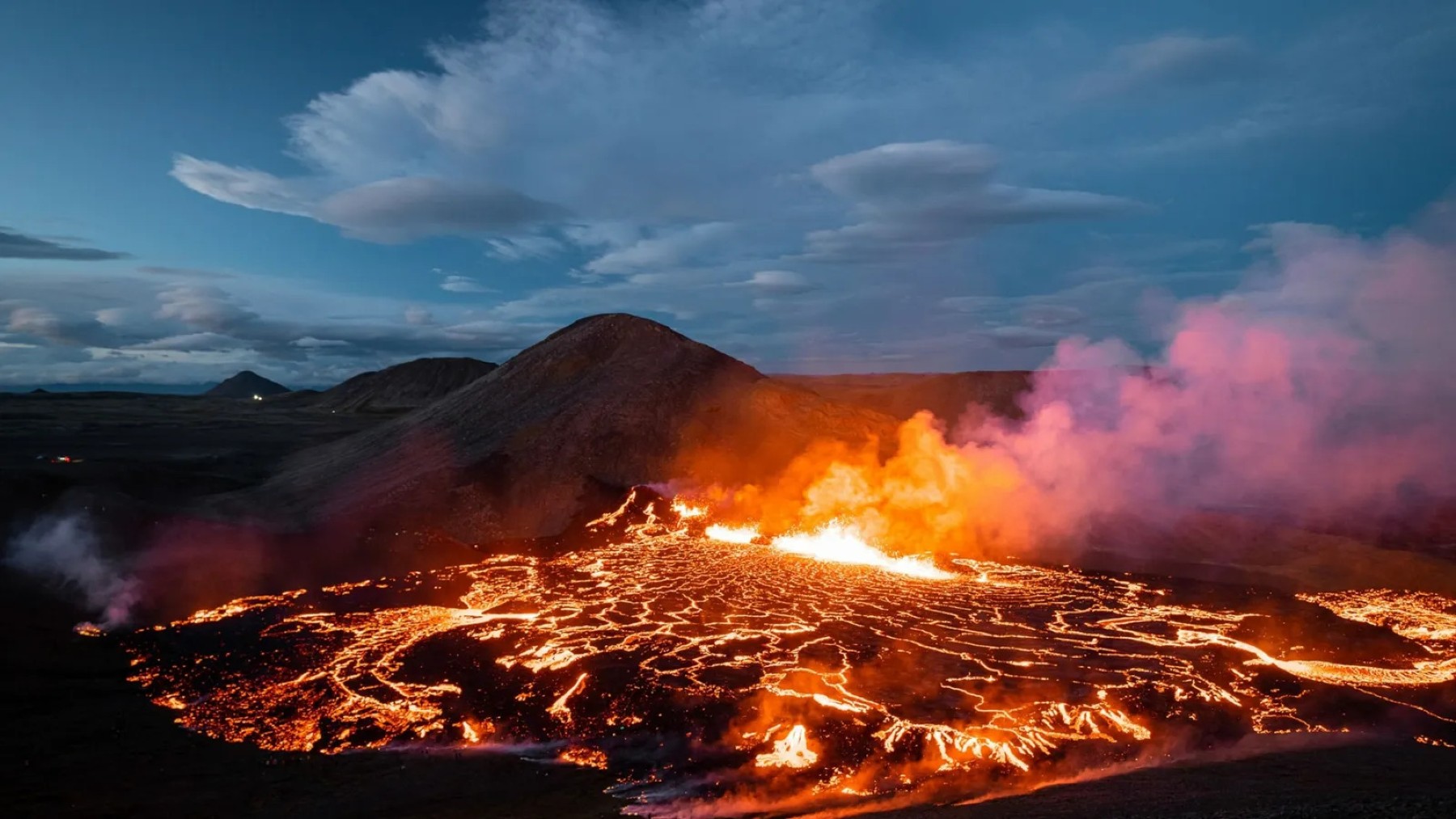
As the world grapples with the urgent need for sustainable energy solutions, scientists are turning to an unlikely source: magma. This hot and dense material, residing in considerable depth in the Earth, has the potential to transform energy generation. In this article, we look at how America might benefit from this largely untapped source and take the lead in the development of geothermal power.
Iceland’s Krafla Magma Testbed: The Audacious Programme Recasting Energy Innovation
The Krafla Magma Testbed (KMT) in Iceland is one of the first to attempt to drill into a magma chamber. This endeavour is planned for 2027 and would establish an underground magma chamber of about 2.1 kilometres beneath the ground. The work is aimed at improving the knowledge of magma activity and at creating new technologies in the geothermal energy field.
To achieve these, scientists have installed pressure and temperature sensing devices into the molten rock to monitor the interconnecting features of magma. Such understanding may help locally predict an eruption occurrence and could help develop and manage the geothermal energy resource. The KMT project involves multiple innovative advancements both in the sphere of scientific advancements and the provision of sustainable energy yield.
The other interesting thing about having a hole through a magma layer is the prospect of tapping superheated steam. Despite all these, Icelandic engineers got a rude shock in 2009 when they drilled into magma at 2.1 kilometres below the earth’s surface, generating superheated steam at 452°C. They established that magma conferred gigantic energy potential.
Overcoming Challenges to unlock Magma’s energy: Innovation Driving the future
Direct-contact superheated steam from the magma extracts vastly more power than from ordinary geothermal wells. For instance, two magma wells yield energy equivalent to what is expected from 22 conventional wells. This increased energy density provides a way to satisfy increasing energy needs and do so with a dramatic cut in carbon emissions.
High temperature, high pressure and corrosive gases make drilling into magma physiologically challenging besides being a technically demanding venture. To overcome these challenges researchers are researching for better materials and drilling techniques. High-grade nickel alloy and titanium alloy are currently undergoing trials to determine the effects of the thermodynamic environment common in magma chambers.
The realisation of the KMT project will therefore require a surmounting of these technical challenges. But as you can see there are many opportunities for getting a great reward on your investments. Yes, we could harness energy from magma into electricity hence tapping a power which is renewable in the best way possible. This could potentially change the face of energy move from around the world and help manage the effects of climate change.
Why magma-based geothermal energy research and Development will be America’s next big Thing
America is in a particularly favourable position to become a world leader in magma-derived geothermal power. Its abundant geothermal resources and modern drilling techniques make the United States benefit most from this new area. To create an environment that will inspire other countries to follow America’s example, research and development can be funded to involve new techniques in energy extraction.
It would in addition be valuable not only for electricity generation but in numerous other applications. Such a device could also be used to study volcanic action and help in the understanding of how such disasters can be prevented from occurring. At the same time, a new energy source, such as magma energy, may open new economic niches and stimulate the growth of industries related to the development of this resource.
America has the unique opportunity to lay the foundation for the future of clean energy, and magma is that energy. If we are willing to take on these challenges and support high-risk research, there could be huge opportunities to be leveraged out of this as yet unaudited frontier. In Iceland, there is the Krafla Magma Testbed and it is an indication of what could be done if effort is put in and creativity utilized to do what is yet to be done – with success.