What does real ecological restoration look like when a native animal has been missing long enough to slip out of living memory?
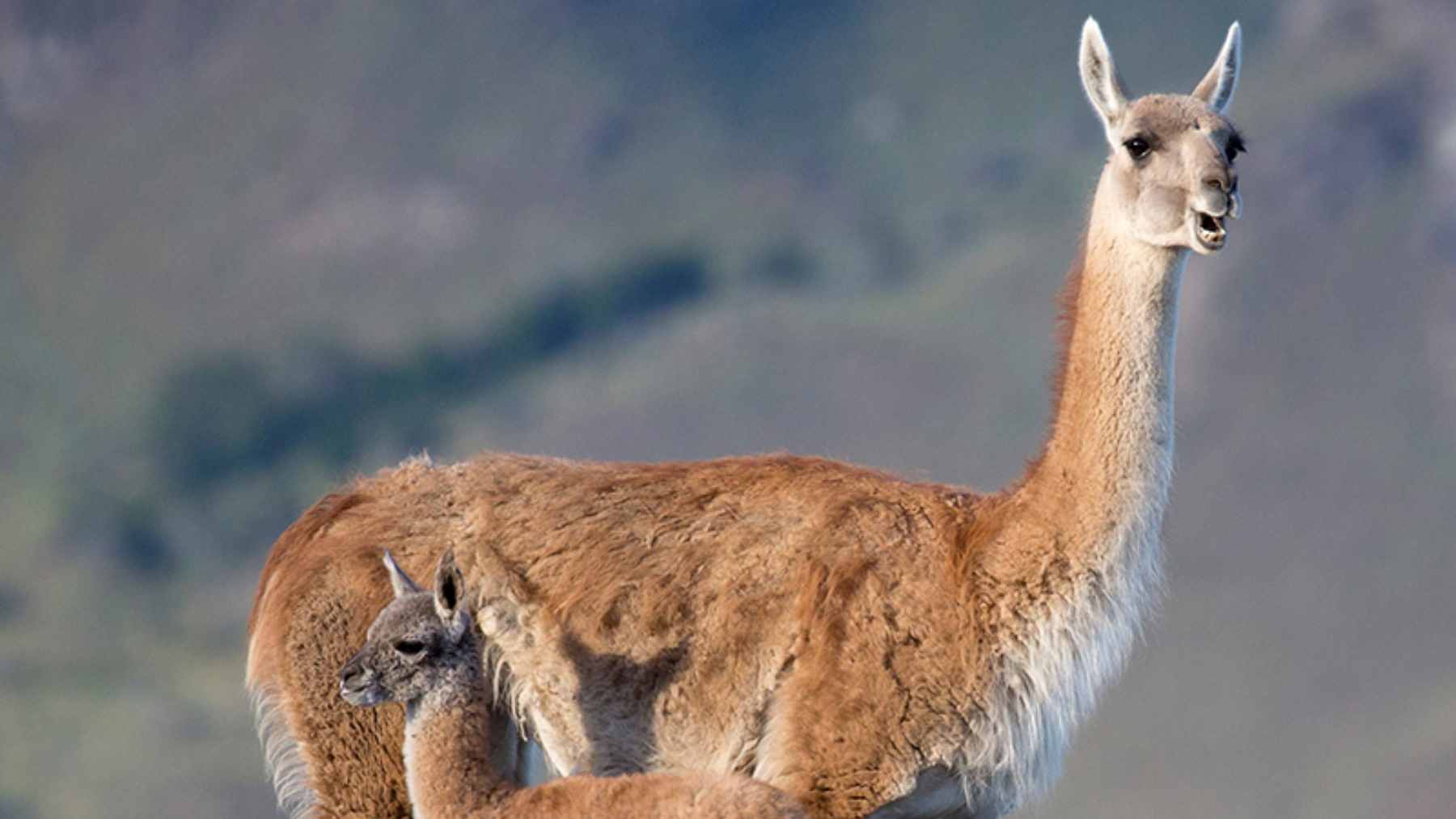
In northern Argentina, it now looks like a group of guanacos back in Parque Nacional El Impenetrable after about 110 years, following a carefully planned 3,200-kilometer (about 1,988-mile) trip from Parque Patagonia in Santa Cruz. That is a very long absence.
That alone is big news, but the deeper story starts after the release. Officials and conservationists say this large herbivore can help rebuild food webs, reshape vegetation through grazing, move nutrients and seeds, and reduce the dry plant buildup that helps fires spread across the Dry Chaco.
This comeback is less about symbolism and more about bringing back ecological work.
A return more than a century in the making
Known as “Nawananga” by Qom communities, and by other names among Wichi and Guarani peoples, the guanaco once belonged to the open grasslands and savanna-like habitats of the Dry Chaco. Over time, hunting, the spread of livestock, grassland loss, and poor use of fire pushed the species out of Argentina’s side of the region.
In El Impenetrable, that absence lasted roughly 110 years.
The regional picture is still fragile. Rewilding Argentina says the Dry Chaco spans about 1 million square kilometers (about 386,000 square miles), almost the size of Bolivia, and only around 100 guanacos remain near the Paraguay-Bolivia border, while the Argentine section had lost the species completely.
That helps explain why this release is being treated as much more than a feel-good wildlife story.
Why does that matter so much? Because when large herbivores disappear, the damage does not stop with one species. Rewilding Argentina says the same process of defaunation also removed other major herbivores from parts of El Impenetrable, leaving ecosystems poorer and less able to perform the jobs that keep them balanced.
The 3,200-kilometer journey was a conservation test
The animals released in Chaco came from Parque Patagonia, where Rewilding Argentina, with support from Fundación Freyja, had already been studying abundance, health, and genetics to identify a suitable source population.
That scientific screening mattered because reintroductions work best when the animals moved are strong candidates for adapting and reproducing in the new setting.
Then came the hard part. The transfer required years of planning, specialized capture and herding methods, and transport designed to reduce stress and injury during an extremely long road journey through very different climates and landscapes. By Rewilding Argentina’s account, it became the longest overland wildlife translocation ever carried out for conservation.
Once the guanacos reached El Impenetrable, they did not simply step out and vanish into the landscape.
They spent time in pre-release pens to adjust gradually, began eating native local vegetation, and even produced the first calves during that acclimation period. Small signs like that can tell conservation teams a lot about whether a reintroduction has a real chance to last.
Why guanacos matter to the land itself
Guanacos graze, and that simple behavior carries a surprising amount of ecological weight. By feeding across the landscape, they help shape vegetation patterns and encourage plant diversity in ways smaller herbivores cannot fully replace.
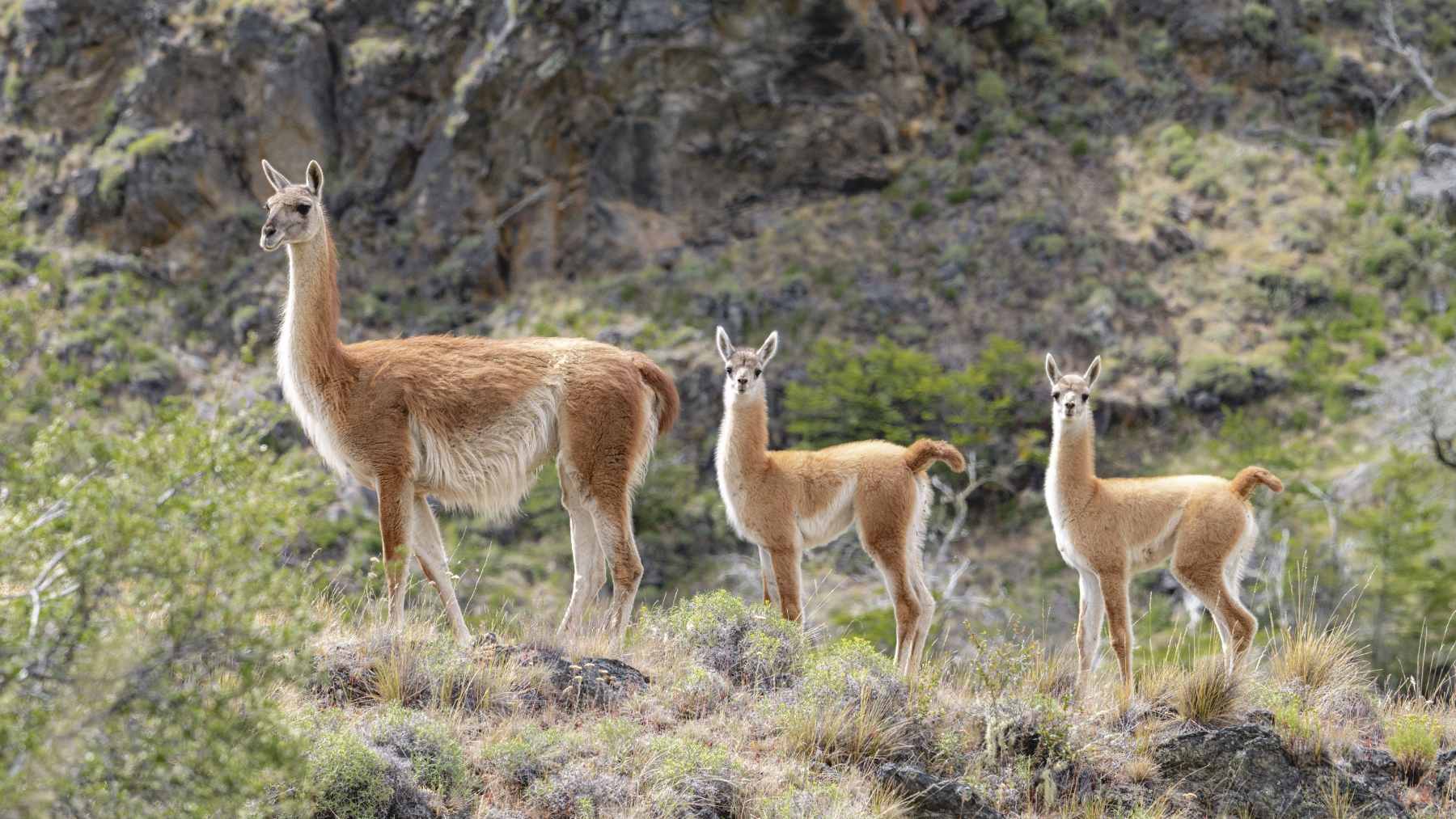
They also help manage one of the region’s most stubborn problems. When large grazers consume dry vegetation, they can reduce the buildup of plant matter that acts like fuel during hot, fire-prone periods, and their movement also redistributes nutrients, seeds, and carbon across the ecosystem.
In practical terms, the return of hooves can change what grows, what burns, and what regenerates.
The impact continues up the food chain. Guanacos can serve as prey for predators and as food for scavengers, which helps rebuild links in a food web that officials say includes the jaguar as the top predator in El Impenetrable. Nature rarely works in isolated parts, and this release is a reminder of that.
What happens next in El Impenetrable
The guanaco release is part of a broader restoration strategy already underway in the park. Work in El Impenetrable has also focused on species such as the jaguar, the giant river otter, and the yabotí tortoise, all with the goal of recovering not just animals, but the relationships that make the ecosystem function.
In that sense, the guanaco is one piece of a much bigger puzzle.
More releases are expected as teams try to rebuild a healthy population, with support from national park authorities, conservation groups, provincial governments, and local communities. That is the only way a return like this moves from headline to long-term recovery.
There is a human side, too. Officials say the return of a large native mammal could add to the growing appeal of wildlife watching in El Impenetrable and bring more opportunities for families linked to nature tourism in the region.
The official statement was published on Argentina’s government website.