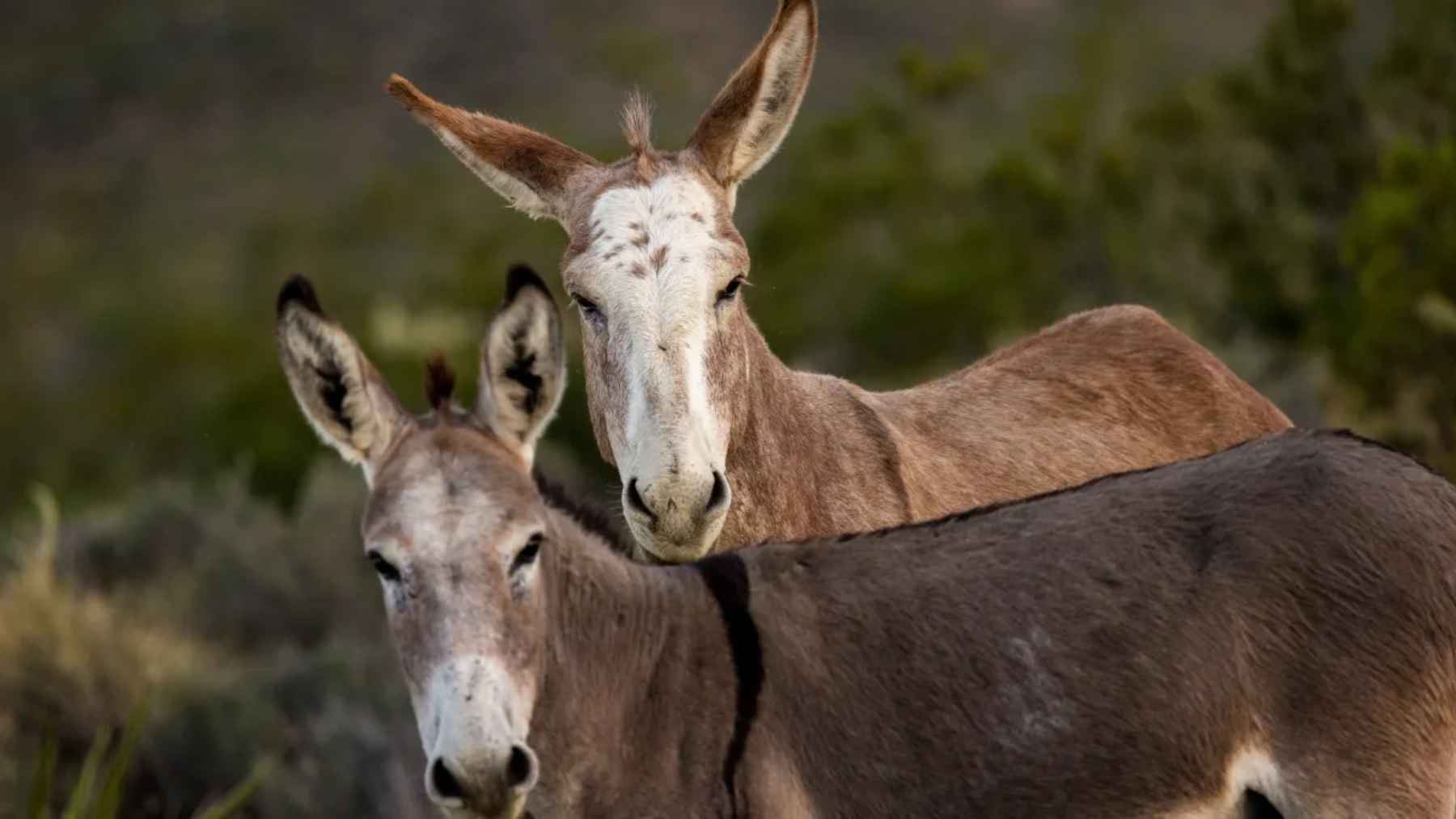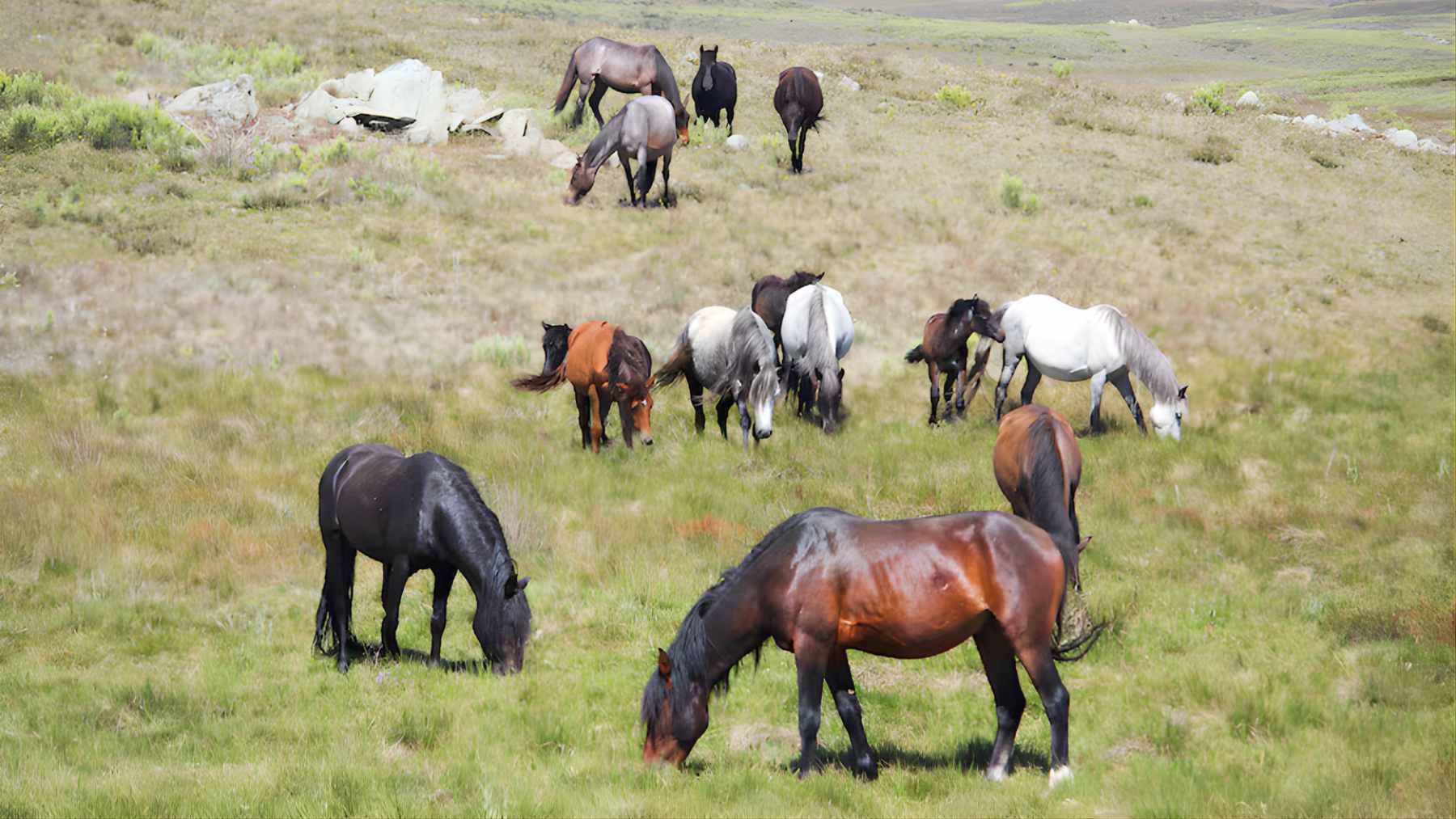
High in Australia’s Snowy Mountains, Kosciuszko National Park is starting to look a little less beaten up. After years of soaring numbers of feral horses, recent aerial culls and new laws have cut the population from roughly 17,000 animals to around 3,000 in about a year, with more than 9,000 horses removed since 2021.
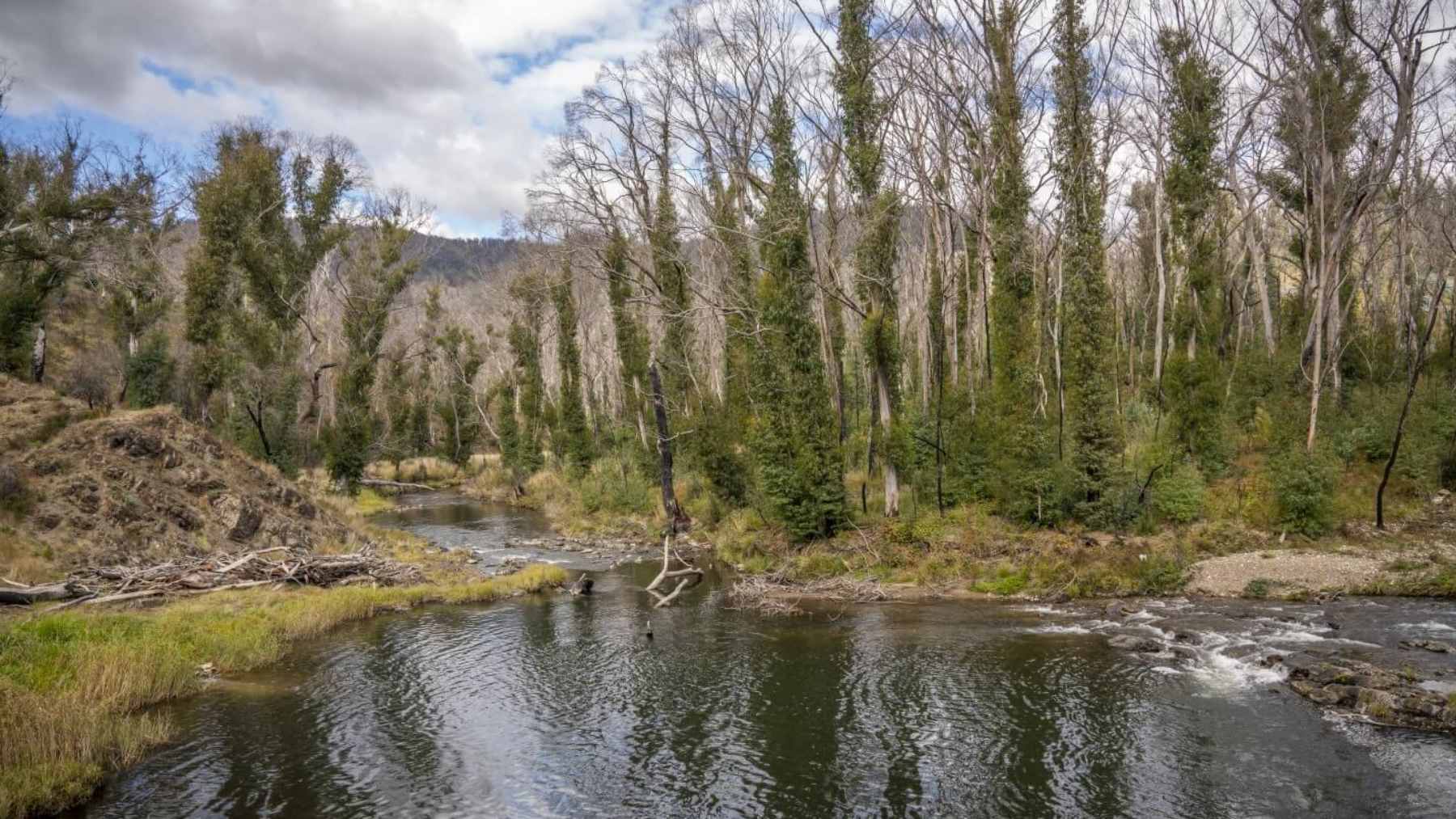
That sharp drop is already visible on the ground. Native plants are creeping back into bare patches that once looked like dirt car parks, some stream banks feel less compacted underfoot, and visitors report fewer mobs of horses blocking narrow alpine roads. For a park that acts as one of south-eastern Australia’s main “water tanks”, those small changes matter a lot.
From heritage symbol to invasive species
For many Australians, brumbies carry a powerful cultural image of freedom and mountain folklore. In 2018, that sentiment was written into law when New South Wales passed the Kosciuszko Wild Horse Heritage Act, which gave wild horses special protection inside the park and treated them differently from other invasive animals.
Scientists and park managers warned that this legal shield clashed with mounting evidence of damage to wetlands, grasslands and streams. In response, the state updated its wild horse management plan in 2023 to include aerial shooting, then in late 2025 parliament repealed the heritage act. Horses are now managed under the same invasive species framework as deer, pigs or foxes, with a goal of holding the population at about 3,000 animals until at least mid-2027.
What hard hooves do to soft ground
The problem is not just that horses are hungry. An adult horse eats about two percent of its body mass each day, around eight kilograms of grass and herbs, compared with roughly six hundred grams for an eastern gray kangaroo, the largest native grazer in the high country. Multiply that by thousands of animals and entire alpine meadows can be shaved down.
Their feet cause even more trouble. Feral horses can walk up to fifty kilometers in a day. Their hard hooves punch through soft sphagnum moss and compact deep peat soils that have built up over thousands of years. Those peat bogs act a bit like giant natural sponges, soaking up snowmelt and releasing cool, clear water slowly through summer. When horses march in single file, they cut deep tracks that drain these sponges and leave once soggy flats dry and cracked.
The damage ripples through the food web. Alpine skinks, broad toothed rats, corroboree frogs, mountain pygmy possums and small native fish rely on dense vegetation, intact moss beds and clean, sediment-free water. Research and government assessments link horse trampling to eroded stream banks, muddier creeks and the loss of shelter and nesting sites for these already vulnerable species.
Signs of recovery in the Snowy Mountains
With thousands of horses gone, that intense pressure has started to ease. As grazing slackens, alpine herbs, sedges and snow grass can move back into bare soil. Bogs and fens are expected to hold water for longer, and peat-forming plants have a better chance to return in places that are no longer constantly stomped and overgrazed.
The changes are still early and mostly anecdotal, but they fit what ecologists expect after feral animal control. For people who drive those winding mountain roads, the difference is also very real. Fewer horses on the bitumen means fewer heart-stopping moments when a large animal suddenly appears in the headlights on a blind bend.
At the same time, New South Wales has formally recognized habitat degradation by feral horses as a key threatening process under state biodiversity law, which helps lock in long-term monitoring and control efforts.
Decades of healing ahead
Kosciuszko’s recovery will not be quick. Alpine plants have short growing seasons, so they come back slowly rather than in a single lush burst. Studies of the Snowy Mountains show that some slopes and creek lines still carry scars from cattle grazing more than sixty years after stock were removed, a reminder that disturbance can echo across generations.
Keeping horse numbers low, restoring the worst damaged peatlands and tracking water quality and wildlife over time will decide how much of this alpine heritage can be saved. The stakes reach far beyondone park, since the Australian Alps supply close to one-third of the surface water that flows into the Murray Darling Basin and similar horse impacts are recorded in other regions across the country.
At the end of the day, what is happening in Kosciuszko is a test of whether people are prepared to put ecosystem health and water security ahead of an introduced species that has become part of national folklore.