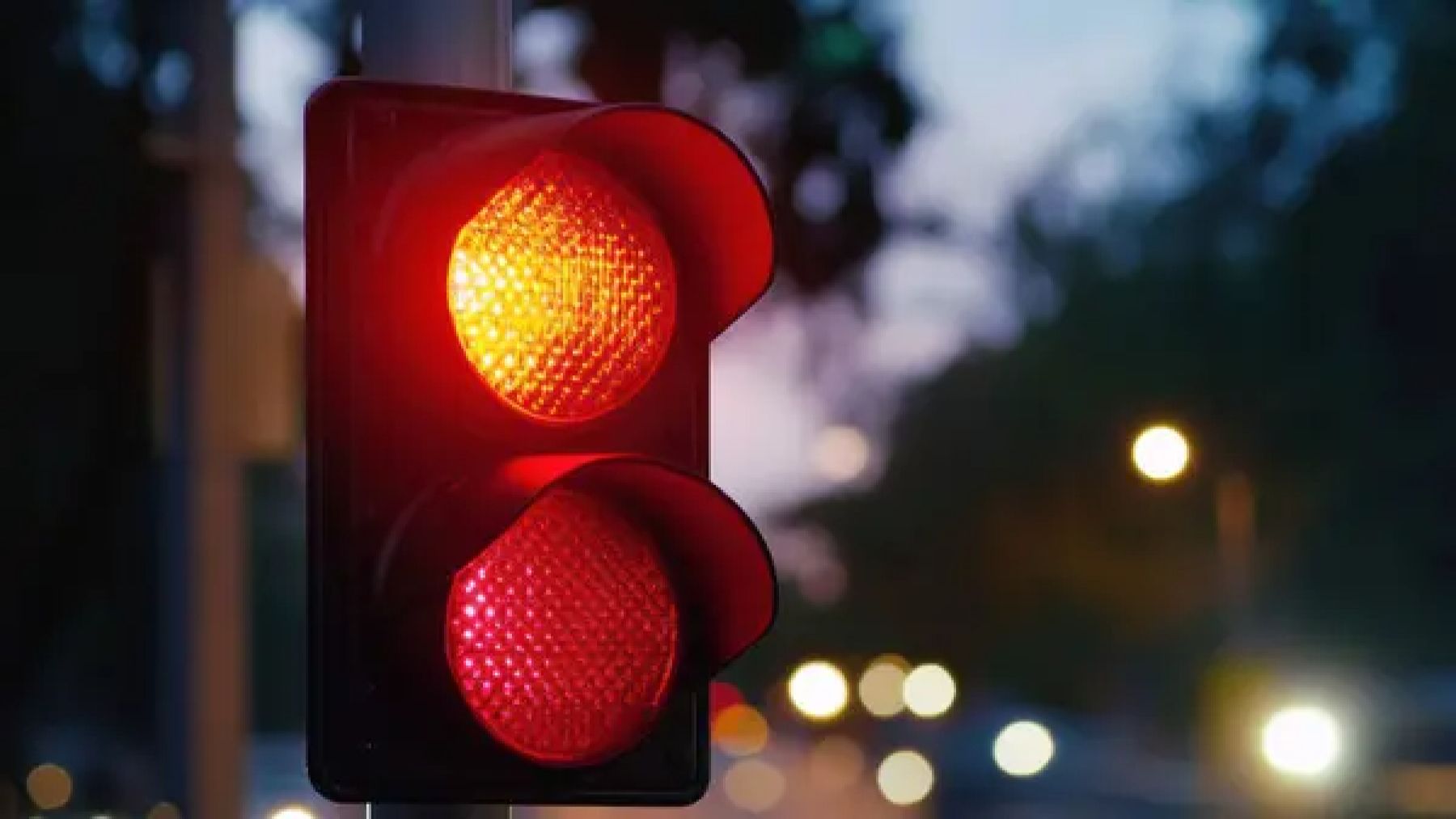
In Pennsylvania, it may soon be a lot harder to get away with running a red light. A new bill could see red-light cameras installed in more cities, making it tougher for drivers to speed through intersections without consequences. With the state aiming to reduce accidents and improve safety, it’s clear that these cameras are a big step toward catching red-light runners. But as many drivers know, these changes come with both benefits and drawbacks. Here’s what you need to know about the new red-light camera rollouts and how they could affect you.
The growing problem of red-light running
Running red lights is a serious issue on U.S. roads, and it’s more dangerous than you might think. According to the Insurance Institute for Highway Safety, in 2022 alone, 1,149 people were killed, and more than 107,000 were injured in crashes related to red-light running. Tragically, half of those fatalities were pedestrians, bicyclists, and individuals in other vehicles, showing just how widespread the dangers are.
In Pennsylvania, the law already prohibits running red lights, but with so many incidents happening every year, the state is now turning to technology to help reduce these accidents. Red-light cameras are seen as a solution to hold drivers accountable and improve traffic safety. But while it’s against the law to run a red light, these cameras may soon make enforcement much more effective.
New bill could bring red-light cameras to more cities
On Tuesday, the Pennsylvania State Senate passed a bill that could see red-light cameras installed in at least 19 cities, including Reading and Allentown. This bill is a part of the state’s broader initiative to improve traffic safety, especially in municipalities with high traffic violations. If signed into law, cities with a population of at least 18,000 could apply for permission to install red-light cameras with approval from the state’s Department of Transportation.
These cameras will be focused on high-risk intersections where red-light running is common, and drivers caught in the act could face fines of up to $100. While that might not sound like a lot, the bill also outlines how this money will be used. The fines collected from violations would be allocated toward highway and road improvements, helping fund infrastructure projects in the cities where the violations occur. This setup ensures that the fines are not only a penalty but also contribute to improving the roads for everyone.
Impact on drivers and municipalities
So, what does this mean for drivers? For one, there will be no more excuses for running a red light. With the installation of red-light cameras, municipalities will have an effective way of tracking and penalizing violators. The hope is that by having more cameras in place, drivers will be less likely to risk running a red light, knowing they might get caught on camera.
For cities, the move could be a win. The fines collected from these violations will go toward much-needed infrastructure improvements. It’s an opportunity to make roads safer while generating revenue to improve roadways across the state.
However, this new approach also raises some concerns. For one, some drivers may argue that the fines could disproportionately affect low-income individuals who are already struggling with the cost of living. Additionally, while the technology behind red-light cameras is effective, some question whether the cameras could be misused or too focused on generating revenue rather than improving safety.
While it’s clear that red-light running is a major safety issue, the expansion of red-light cameras in Pennsylvania (and other U.S. cities) is sure to stir up some mixed reactions. On the one hand, it’s an important step toward reducing accidents and improving road safety, especially in busy cities. But on the other hand, it brings up concerns about fairness and how the fines will be used.