With the festive season suddenly upon us, consumerism reaches its ultimate peak. Between Black Friday sales, Christmas gifts, and New Years weekend plans, this is by far the most expensive time of the year for Americans. A common problem many people find themselves in this time of year is that they get caught up amidst the sales of the Thanksgiving weekend and vastly underestimate how much money will need to be spent on Christmas.
Black Friday: The real history behind the discounts
The term “Black Friday” was first used not for holiday shopping, but to describe the U.S. gold market crash on September 24, 1869. Financiers Jay Gould and Jim Fisk tried to corner the gold market, driving prices up for huge profits. However, their scheme collapsed that Friday, causing a stock market crash that sent Americans across professions and wealth into a financial crisis.
The widely told story behind Black Friday ties it to retailers, claiming that after a year of operating at a loss (“in the red”), stores would finally make a profit (“into the black”) on the day after Thanksgiving, thanks to holiday shopping. While it’s true that retailers used to use red for losses and black for profits in accounting, and that this is is the official origin story of Black Friday, the real story is not as simple as this.
The truth is, Black Friday came about in the 1950s when Philadelphia police coined the term to describe the chaos that followed Thanksgiving, when large crowds of suburban shoppers and tourists flooded the city ahead of the annual Army-Navy football game. Not only did police have to forgo their holiday break, but they also had to work extended shifts managing the extra traffic and crowds. Meanwhile, shoplifters exploited the confusion, making off with stolen goods, further complicating the law enforcement effort.
By 1961, “Black Friday” was popular in Philadelphia, prompting local merchants to try unsuccessfully to rename it “Big Friday” to shed its negative connotations. The term didn’t catch on nationwide until the late 1980s, when retailers rebranded it as a positive event. They promoted the idea that Black Friday marked the day stores finally turned a profit, shifting the focus from chaos to commercial success.
American spending on holiday gifts hits record high
This holiday season, Americans are expected to spend more money than last year on gifts. According to a recent Gallup survey, shoppers plan to spend an average of over $1,000 on gifts this year, a slight increase from last year’s estimated spending. The survey, conducted between November 6 and 20, reveals that Americans expect to spend an average of $1,012 on gifts in 2024, compared to $975 in 2023.
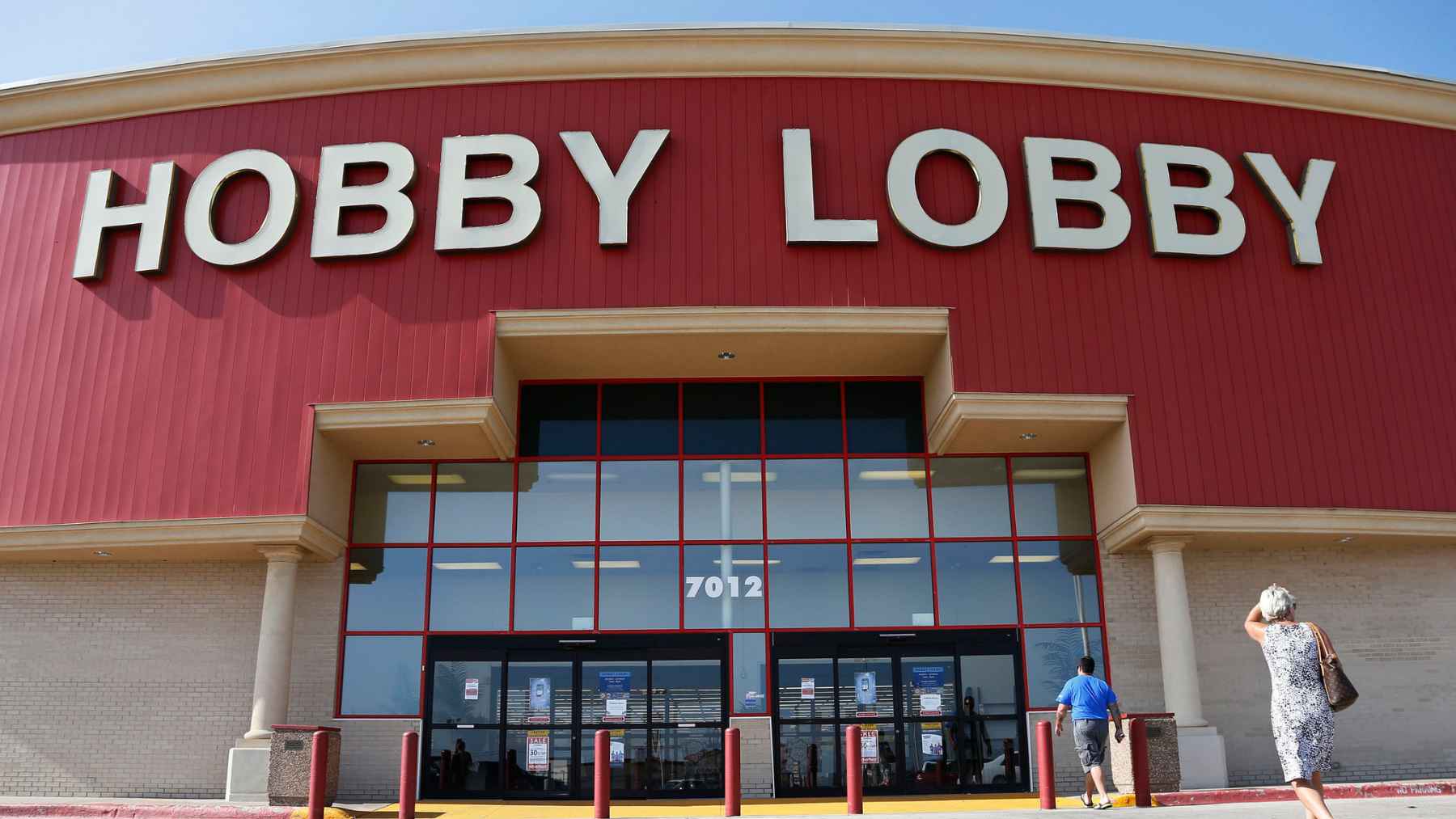
Many people choose to do their holiday gift shopping on Black Friday to take advantage of the discounts. With the holiday season being one of the most family orientated periods, the extra savings goes a long way if you need to buy multiple gifts for a large family. However, leaving your holiday shopping so late can also cause stress if you are unable to purchase the gifts you had planned on or if you do not find anything which resonates as a relevant gift for a loved one.
Black Friday can be a bargain if you plan it correctly
Generally, many people spend much more money on Black Friday than they anticipated. Without proper planning, you may be left with less disposable income to spend on Christmas gifts for others. In addition, the holiday season comes with extra costs such as travel expenses and needing to stock up on more food if you are hosting family. These expenses will be felt more of your holiday season spending is not budgeted correctly.
However, if you play you cards right, Black Friday is a prime opportunity to stay ahead of the Christmas shopping. The most important thing is to plan ahead and adhere to a strict budget. In addition, have the items you are wanting to buy specified so that you know exactly what you want to buy going in so as to avoid excess spending and a more stressful Christmas period.