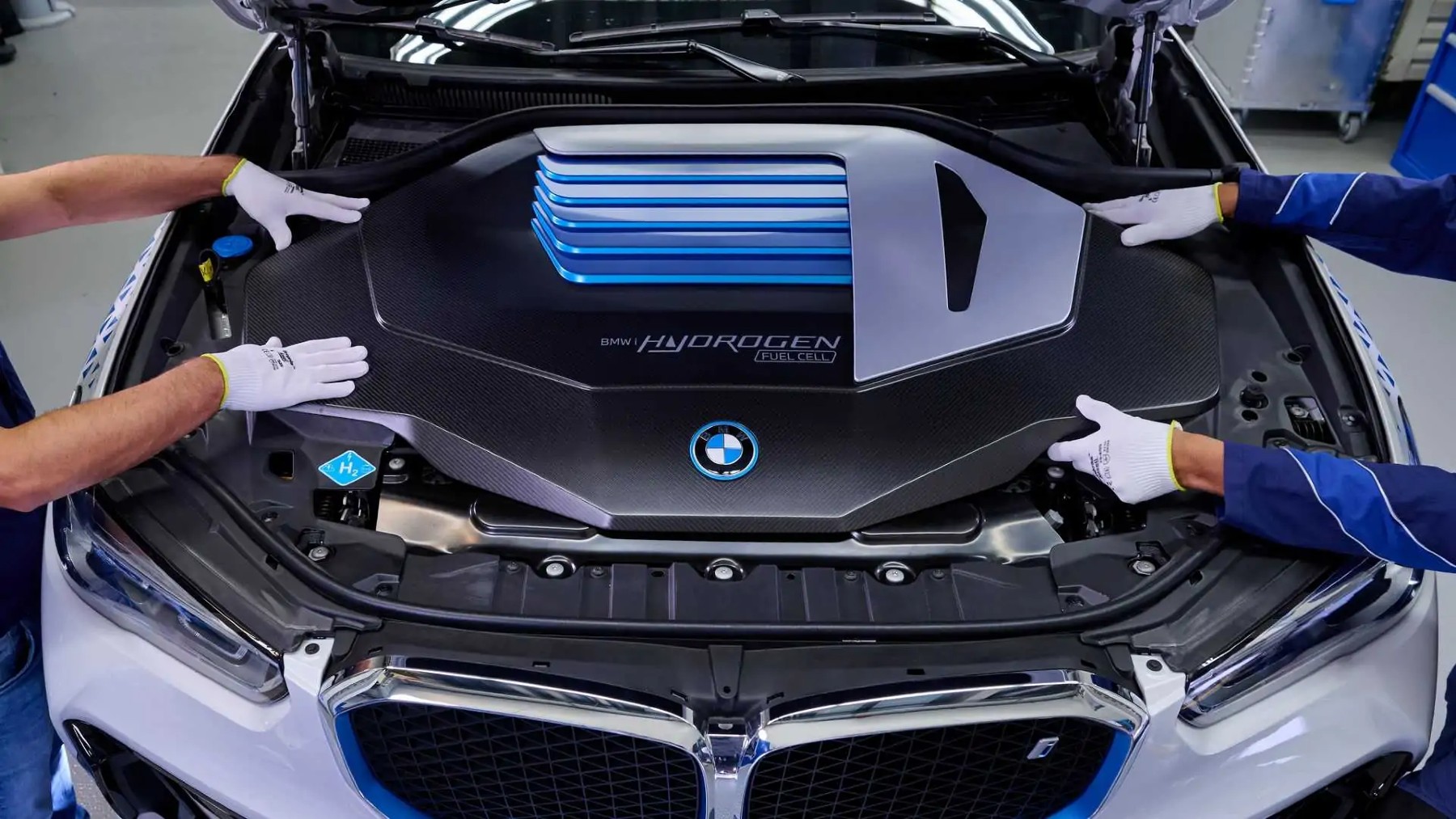
BMW joins other automobile companies in adding hydrogen powered engines to their portfolio. While electric vehicles and plug-in hybrids have been the most popular alternative energy solution in the automobile world, hydrogen is fast becoming just as popular and developed. The BMW iX5 Hydrogen is currently a concept vehicle which showcases BMW’s innovative engineering and pilot project for what a model could look like if they released a hydrogen powered vehicle on the market.
BMW joins the hydrogen engine market
The German joins the likes of other major automobile companies in adding hydrogen engines to their alternative engine portfolios along with their electric and hybrid vehicles. Currently, Japanese manufacturer Toyota has been a pioneer in hydrogen fuel cell technology, positioning itself as a leader in the development of hydrogen-powered vehicles. The company’s flagship model, the Toyota Mirai, showcases the potential of hydrogen as a clean alternative to traditional fossil fuels. Launched in 2014, the Mirai utilizes a hydrogen fuel cell to generate electricity, emitting only water vapor as a byproduct.
Other automobile companies, including now BMW, are starting to catch on to Toyota’s hydrogen efforts. Tesla, the electric vehicle giant, has also announced plans to release a hydrogen powered vehicle as early as 2025. “Hydrogen is the missing piece of the puzzle for emission-free mobility, because a single technology will not be enough to enable climate-neutral mobility worldwide,” says Oliver Zipse, Chairman of the Board of Management of BMW AG.
Why hydrogen is a winning addition to sustainable engines
When used in fuel cells, hydrogen produces only water vapor as a byproduct, contributing to zero emissions and helping to improve air quality. Hydrogen’s high energy density means it can store significant energy relative to its weight, making it ideal for applications requiring long ranges and heavy payloads, such as commercial vehicles. Additionally, refueling hydrogen vehicles is quick and convenient, akin to traditional gasoline or diesel refueling, which enhances consumer appeal.
Additionally, automobile companies are recognizing the need to provide more options to consumers in order to convince them to go green. Expanding the range of options can empower consumers to choose solutions that best fit their lifestyle and environmental values. Additionally, offering various alternatives can enhance market competitiveness and drive innovation, ultimately leading to advancements in technology and infrastructure that support cleaner transportation.
Enhancing market competitiveness is particularly important as currently, alternative engine solutions remain a luxury product as well as the infrastructure needed to support them not being widespread. The more competitive the industry gets, the more affordable options manufacturers will begin to produce as well as building infrastructure which will support alternative refueling which can convince consumers they are not going to be left stranded if they purchase a hydrogen powered vehicle.
Current BMW pilot fleet not for sale
As of now, BMW has stated that their current BMW iX5 Hydrogen fleet is still being piloted and therefore is not available yet for consumers. The pilot vehicles can reach top speeds of over 180km/hr with 295kW of power. The car is also a hybrid with electrical charging options. The cars also boast a range of over 500kms before needing to be refueled.
By prioritizing a broader array of alternative engine solutions, automobile companies can play a crucial role in the transition to a more sustainable future, meeting consumer expectations while contributing to global efforts to reduce carbon emissions and reliance on fossil fuels. Within the next decade, the world needs to meet our sustainability goals before irrevocable damage to the climate occurs. Efforts like the fleet from BMW show increased commitments from industry as a whole to strive for a greener future.